|
The Millennium project is under maintenance and only Otterburn and Calton are available at present. (Data for the other townships will be added in due course.)
|
|||||
| ; |
OtterburnThe greater part of Otterburn once belonged to Fountains Abbey before the dissolution of the monasteries. In the year 2000 Otterburn consists of eighteen dwellings of which four are working farms. Seven of the dwellings are conversions of former farm buildings, and one house is of recent construction. The population consists of thirty one adults and nine children. The majority of the houses are clustered close to Otterburn Beck, a tributary of the River Aire, which is crossed by a stone bridge built to replace an earlier one in around 1813. It is assumed that the name Otterburn derives from otters frequenting the beck, but whether these now rare animals were ever particularly numerous here, is open to doubt.
The village has no shops, post office, public house or church. It would be very difficult to live in Otterburn today without a car as the only public transport is the post bus which passes through twice a day. During the heyday of the railways Bell Busk station just over a mile away was a very busy place used by the hundreds of day trippers en route for Malham and the Cove, as well as being used for the transportation of livestock and the production from the local mills. In Domesday ‘Otreburne’ was included in the parish of Kirkby Malham, whereas today residents may well attend the closer St. Peter’s church at Coniston Cold. For shops or licensed premises, Hellifield or Gargrave are the nearest. Agriculture centres around cattle and sheep but with the necessary diversification in recent years, redundant farm buildings have been sold for dwellings. One farm is even diversifying into the rearing of rheas which are an added attraction on farm walks run in conjunction with the National Park. |
||||
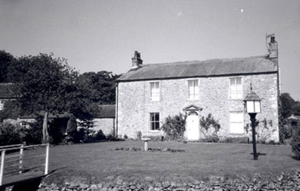 |
Otterburn HallThe Hall is an early 19th century house with rubble fill walls and a slate roof. The two storey building has three bays and a central doorway with a fanlight and pediment over.
The photograph shows a dry stone ha-ha bordering the garden. |
||||
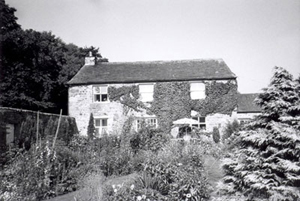 |
Hall BarnHall barn was converted in 1987 by J.N. Hall of Coniston Cold from a barn and shippon belonging to Otterburn Hall.
|
||||
 |
Riverside CottageRiverside Cottage was built in the late 1990s and is of dressed stone construction.
|
||||
 |
Glencross HouseGlencross House was converted from a barn and lean-to shippon in the 1970s. It was previously called Barndale .
|
||||
 |
Bodkyn HouseBodkyn house is a stone built house thought to have previously been a farm, built in the 1740s.
|
||||
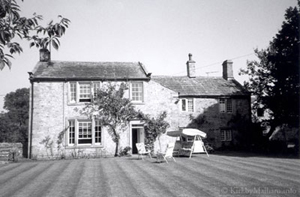 |
Beckside HouseThis was formerly a house with an adjoining cottage previously called Dufton House. It has now been restored to form one dwelling .
|
||||
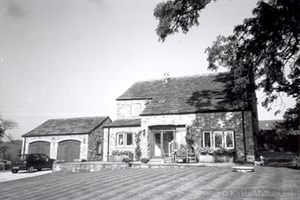 |
Grove HouseGrove House was formerly an out barn called Common Nook relating to Grove Farm. There were three shippons and a main barn converted to a dwelling in approximately 1997.
|
||||
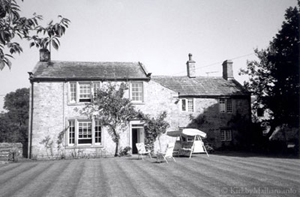 |
Grove FarmGrove farm is a building of dressed stone with a stone slate roof. Part was built around 1670 with other parts in the late 18th century. The building has some interesting stained glass windows and an old stone sink was uncovered in the kitchen. The current owners have been told that the site may have been a resting place for monks.
|
||||
 |
Oak CottageOak Cottage is the last of a terrace of 4 cottages converted in 1986 by a Doncaster builder. It was converted from a farm building of a later date than those used for Elm, Chestnut and Pine Cottages. The garages adjoining Oak Cottage were converted from more out buildings of different dates, the final part thought to be only around 50 years old.
Oak Cottage is on the right of the photograph. |
||||
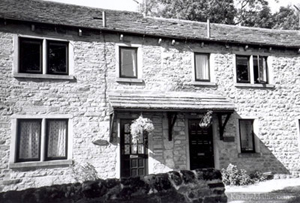 |
Pine CottageThis is the third of a terrace of 4 cottages converted in 1986 by a Doncaster builder from old farm buildings used by Hill House. Pine and Chestnut Cottages are believed to have been converted from one barn though the date of the original building is not known.
|
||||
 |
Chestnut CottageThis is the second of a terrace of 4 cottages converted in 1986, by a Doncaster builder, from old farm buildings used by Hill House. Chestnut and Pine Cottages are believed to have been converted from a barn which was built later than the stables which became Elm Cottage.
|
||||
|
Elm CottageThis is the first of a terrace of 4 cottages converted in 1986, by a Doncaster builder, from old farm buildings used by Hill House. The owners believe Elm Cottage was a free standing stable built approx. 270 years ago. It is a stone building with brick lining and rubble fill. The winch wheel is still in the wall in the upstairs room . Some of the brick walls have been exposed and the bricks are thought to have been made locally in Bell Busk or Otterburn. There is a pitch pine roof thought to be about 100 years old.
|
||||
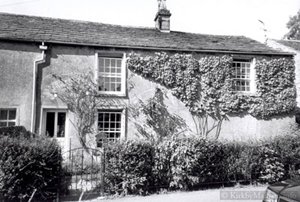 |
Hill HouseHill House was formerly a farm house using the farm buildings which have now been converted into Elm, Chestnut, Pine and Oak Cottages. There are some very lovely old cobbles at the back of the house.
|
||||
 |
Hill PlaceHill Place was formerly a farm cottage used with Otterburn Lodge. The building used to house an organ and was used for Kirkby Malham Church Sunday School in the 1950s
|
||||
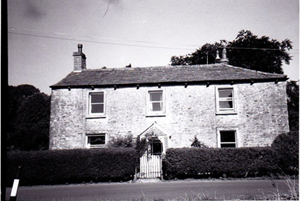 |
Otterburn HouseOtterburn House was formerly a larger house with servants’ quarters which were demolished in the 1970s.
|
||||
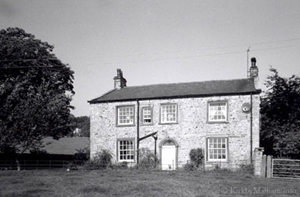 |
Otterburn LodgeOtterburn Lodge is an early 19th century house with rubble fill walls and slate roof. It has two storeys with three bays and round headed doorway with fanlight.
|
||||
 |
Hurries FarmHurries is a working farm built around 1720 with rubble fill stone walls and stone slate roof. In recent years it has been in the ownership of the Wellock family. The current owner David B. Wellock Jnr. bought the farm from his father Richard Wellock of Bell Busk, who in turn had bought it from his brother David B. Wellock Snr. On the latter’s retirement David Wellock Snr. had bought it from Colonel Hastings Clay of Cross Stones, Airton. The previous owner was Mr Frank Waite who had bought from Dot Bolland in 1954.
|
||||
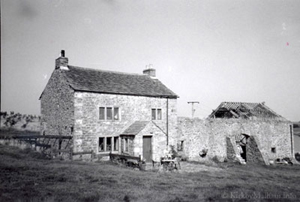 |
Kendal HouseKendal House was inhabited until 1947 when it became almost derelict. Planning permission was obtained during the 1980’s and it has since been restored to its present form.
|
||||
 Malhamdale Local History Group