This is a scattered community of farms and field centre houses stretching across to the slopes of Penyghent. William de Percy gave much of the land around the Tarn to Fountains Abbey and this was confirmed in a charter of 1175. Land bestowed on the Abbey over the years included the greater part of Malham and Malham Moor. In the C12 except for round the Tarn and possibly Darnbrook it was probably a trackless wilderness of ling and heather. 200 years later the boundaries were still undefined. At the Dissolution the land would revert to the King. In 1650 Ann Clifford laid claim to the fishing rights on Malham Tarn. The Cliffords had the right to keep a boat on the Tarn and employed keepers to protect the fish from poachers.
Now the National Trust owns much of the land and leases out Tarn House and various other buildings to the Field Centre. Update 2025 – The lease between the National Trust and The Field Studies Council expired in 2023 and FSC have moved out of Tarn House.
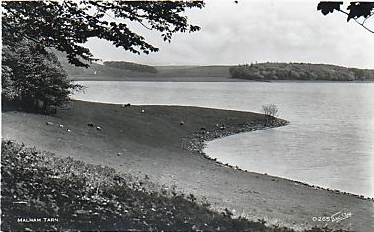 | The Malham Tarn Estate comprises some of the most dramatic upland limestone landscape in the country, with Malham Tarn forming a natural focal point. The National Trust is responsible for managing some 2,900 hectares of land, 65 of which are woodland, mainly around the Tarn, six farm holdings, a number of parcels of land which are leased to local farmers, and two holiday cottages. |
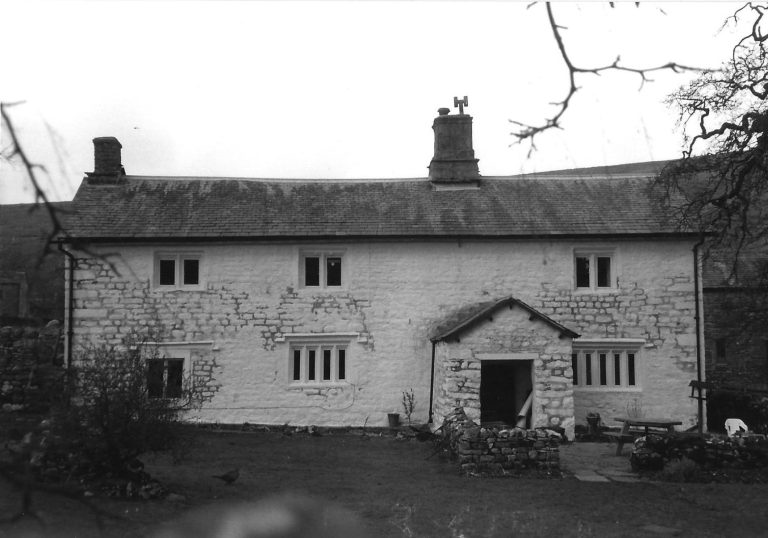 | Darnbrook Farmhouse and Cottage This house has a long history going back at least 600 years, though most of the present house dates only from the 17th century. The date 1664 is on a stone inside the house with the initials i b m b, those of John Buck and his wife who restored the house. The Buck family occupied the house at the date of the suppression of Fountains Abbey and probably first leased the property for a generation or two from the grantee of the Abbey lands, then later bought it as a family home. There are some interesting architectural features. Grade II listed building. Dated 1664. |
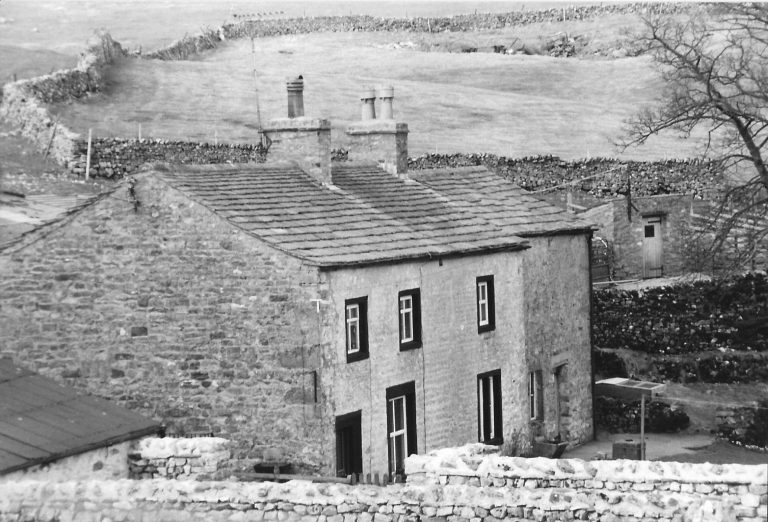 | Tennant Gill Farm A typical dales farmhouse, previously known as Telling Gill. In 1609 the house was occupied by Christopher Brown but there is a date stone of 1635 and the initials of Margaret and Matthew Towler. The first reference under its present name was on the estate map of 1785/86. The present house is late 18th century and built of roughly squared coursed rubble limestone. The south east face has been rendered to distinguish the domestic from the agricultural parts of the building. It was bought by the National Trust in 1980. |
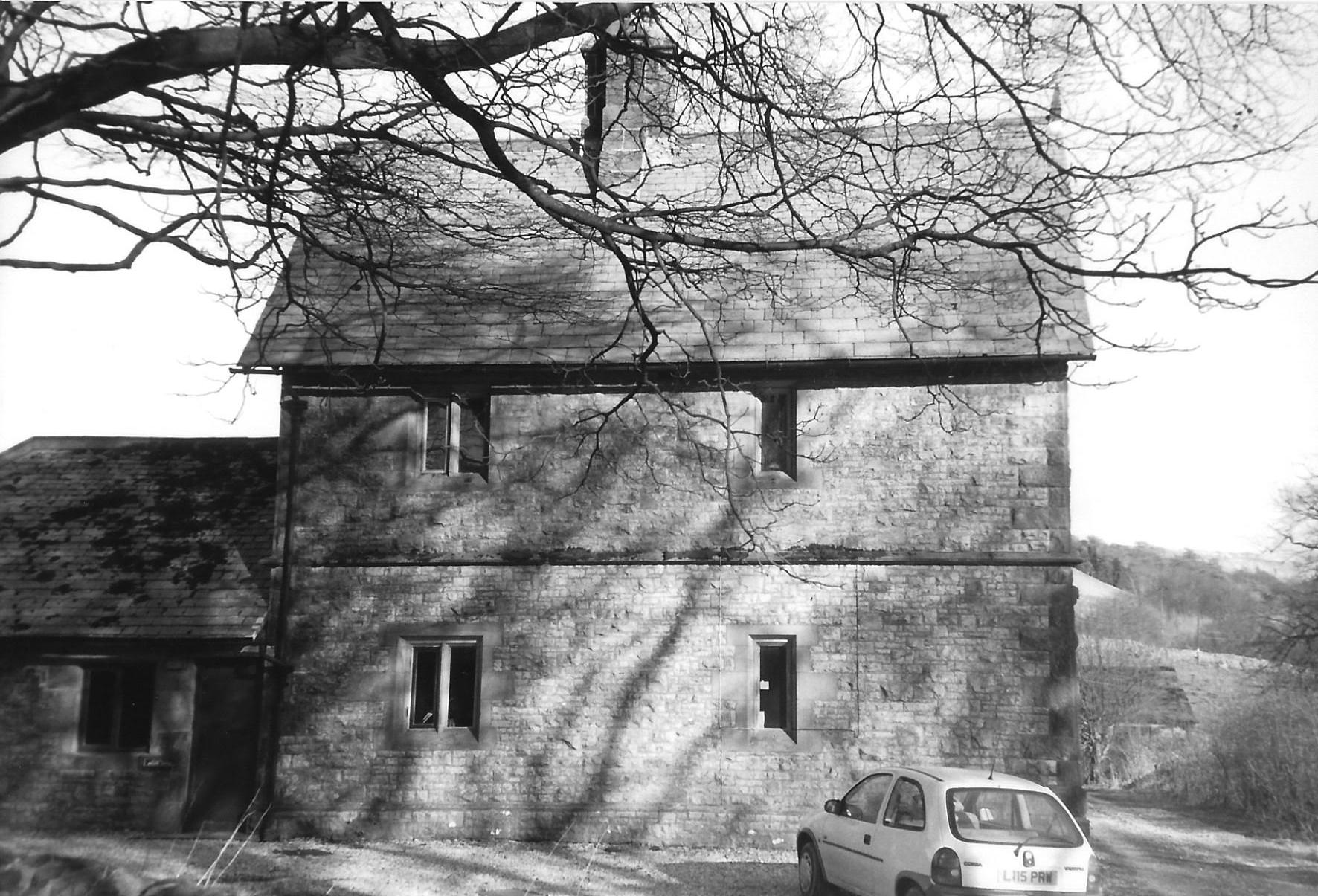 | Estate Office, Malham Tarn A large two storey house built of quarry dressed squared limestone with a Westmorland slate roof. It was the former Estate Manager’s house and first marked on the 1896 map but is probably 20 – 30 years older and essentially unchanged. It became Home Farm but when the tenants moved into the Old School House that became Home Farm. Part of the building is the National Trust Office and the rest living accommodation for the warden. This part is known as Waterhouses, the original name for the area. |
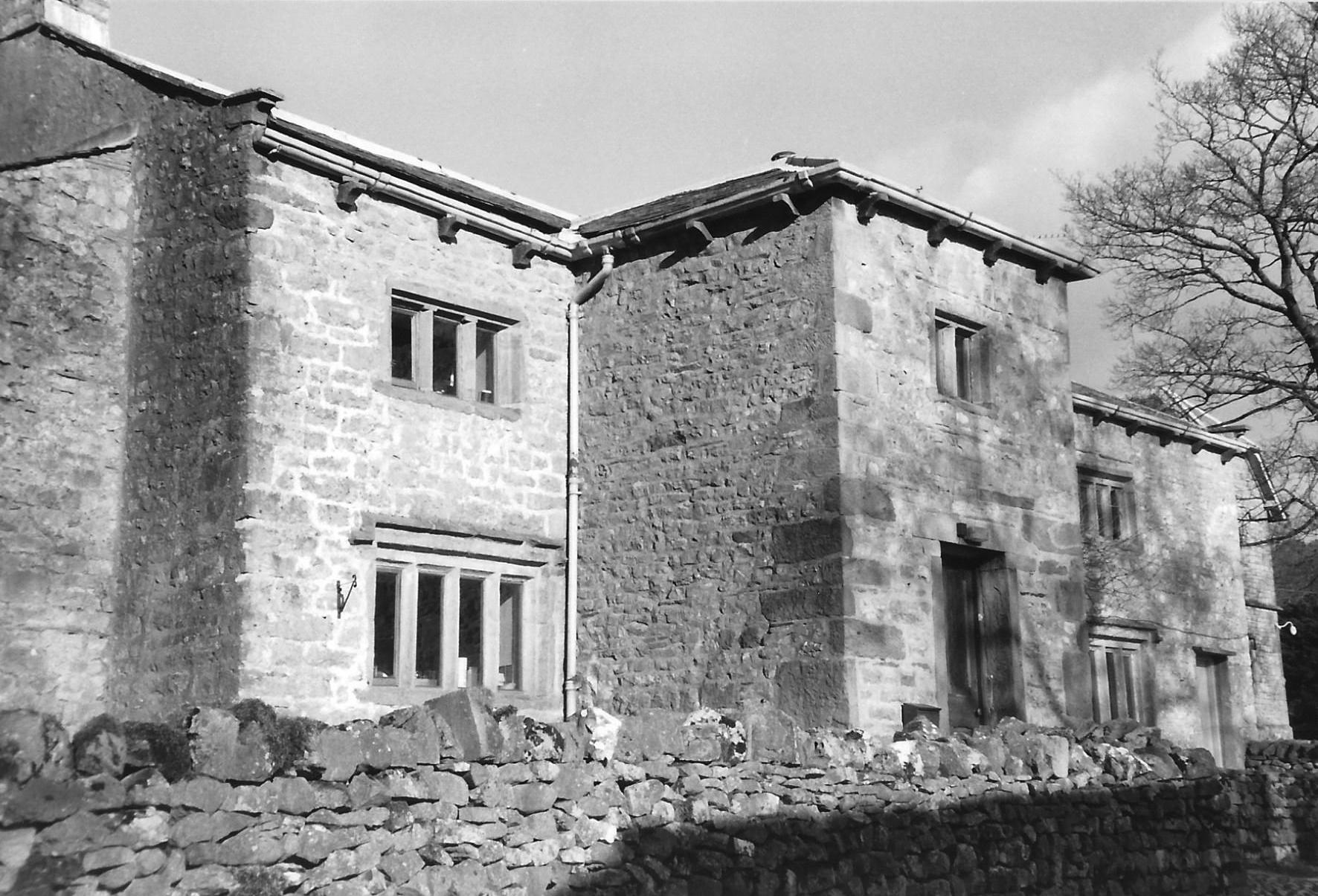 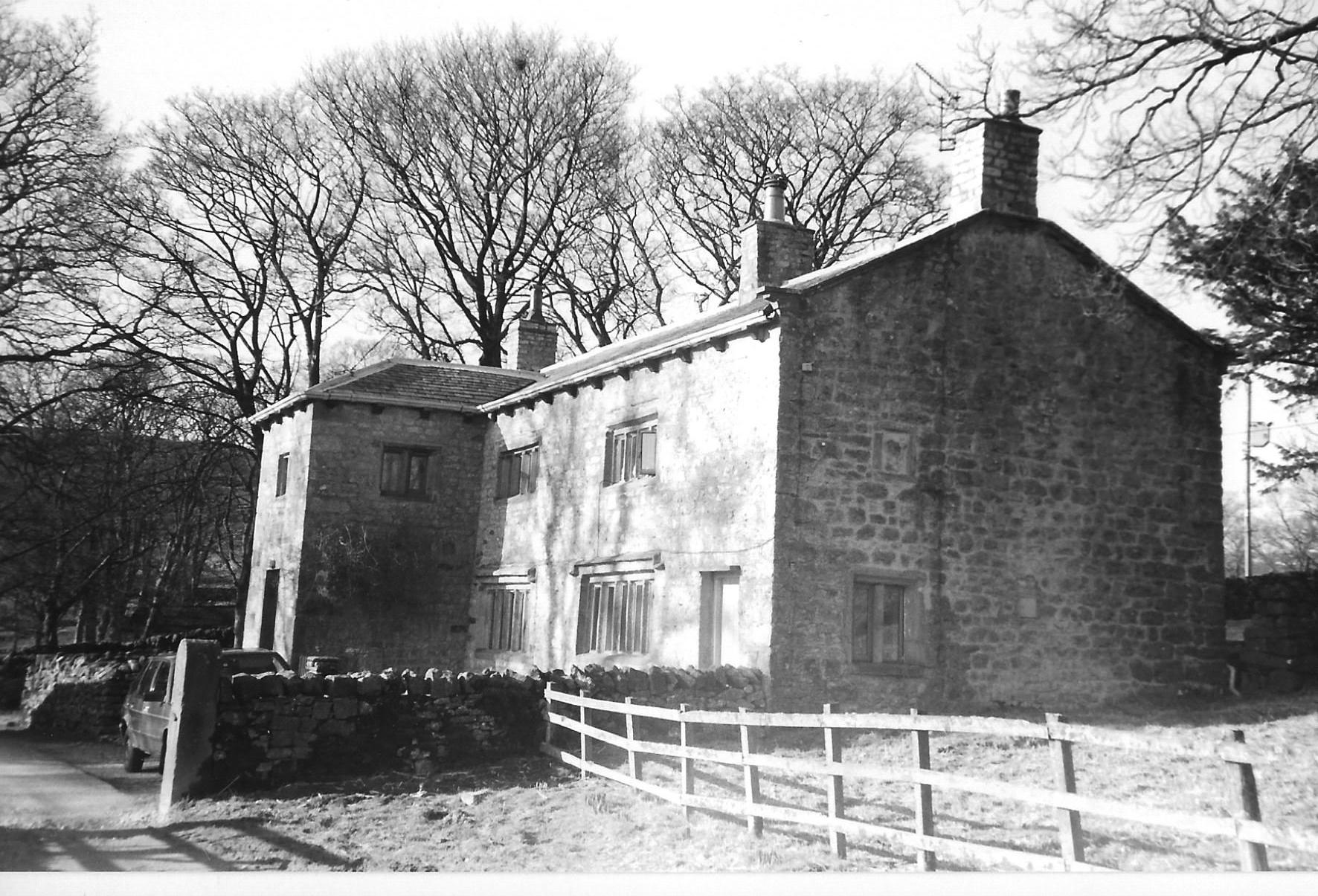 | Shepherd’s Cottage, Malham Tarn Field Centre An early 17th century farmhouse with rear outshut. There is a porch of later date. The roofs, porch and outshut were all raised in the 19th century. Built of Limestone and there is a blocked window in the gable |
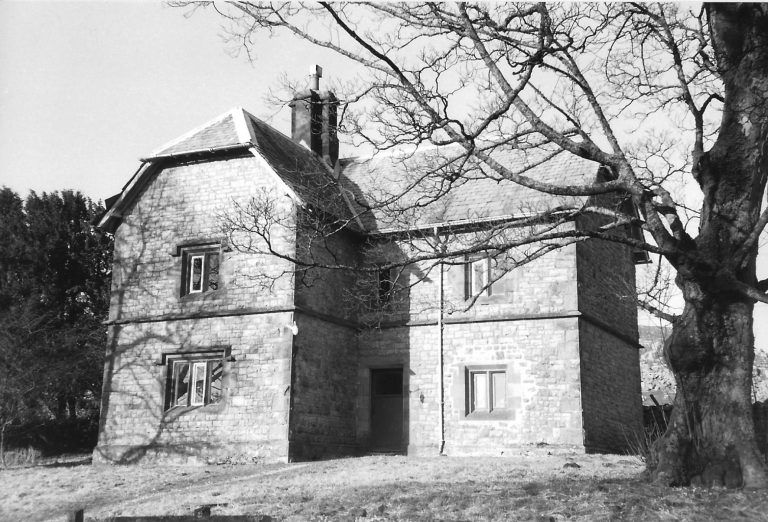 | Rock Cottage, Malham Tarn Field Centre A C19 house of estate type architecture similar to other buildings in Malhamdale e.g. The Buck in Malham, and the Parish Hall in Kirkby Malham. It was probably built about 1874 |
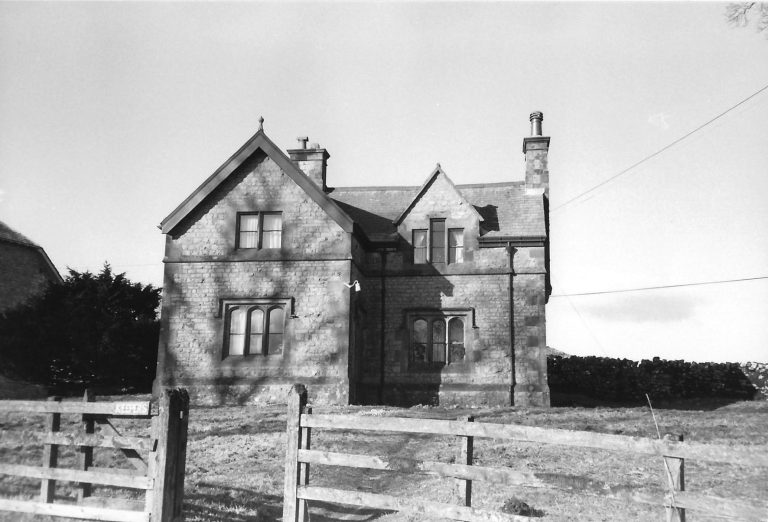 | Keeper’s Cottage, Malham Tarn Field Centre C19 house built of coursed, dressed limestone and a roof of Westmorland slate. The main door shows a gothic influence and has a Tudor arch. It was once known as Usher’s Cottage |
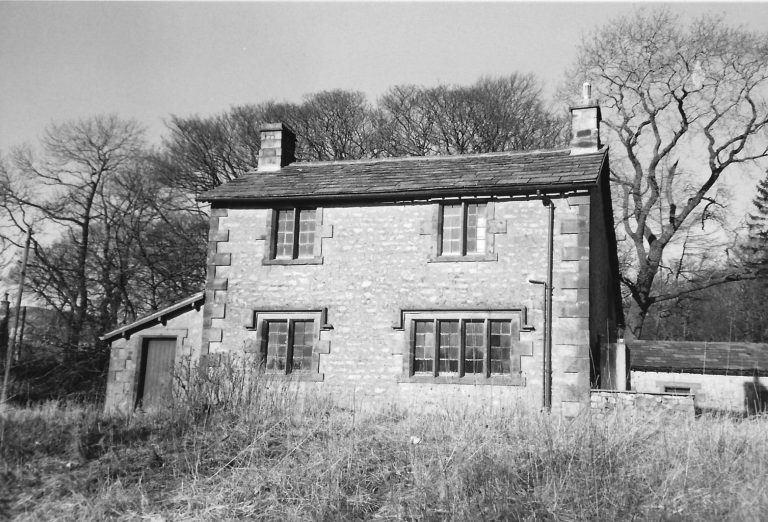 | Sandhill Cottage or Hilary’s Cottage, Malham Tarn Field Centre A two storey estate cottage with an outshut on the north side. It was known as Sandhill Cottage at an earlier date and may have been home to the kennel keeper. It first appeared on OS maps in 1896. William Ward, gamekeeper, is recorded as living here in the 1891 census |
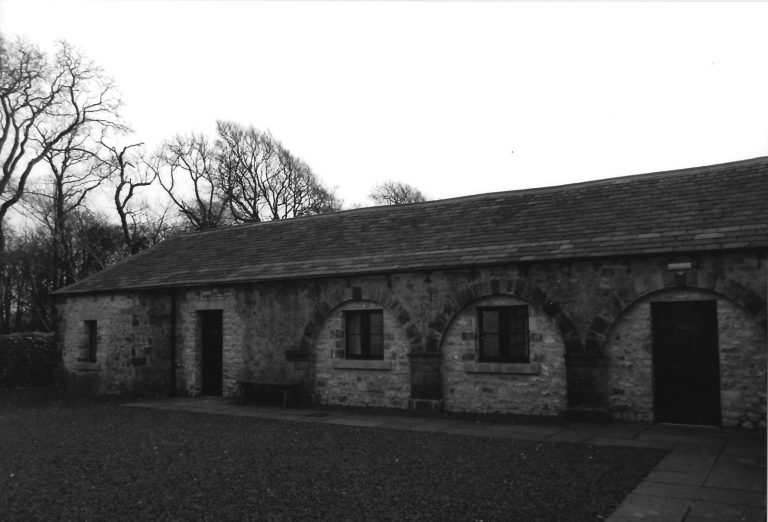 | Malham Tarn House – The Stables/High Stables, Malham Tarn Field Centre This is part of the accommodation block of the Field Centre. The north side dates from 1807 but the south and west from the mid C19. The building is currently being rebuilt and will include innovations in waste disposal with reed beds and new toilet designs from Scandinavia. |
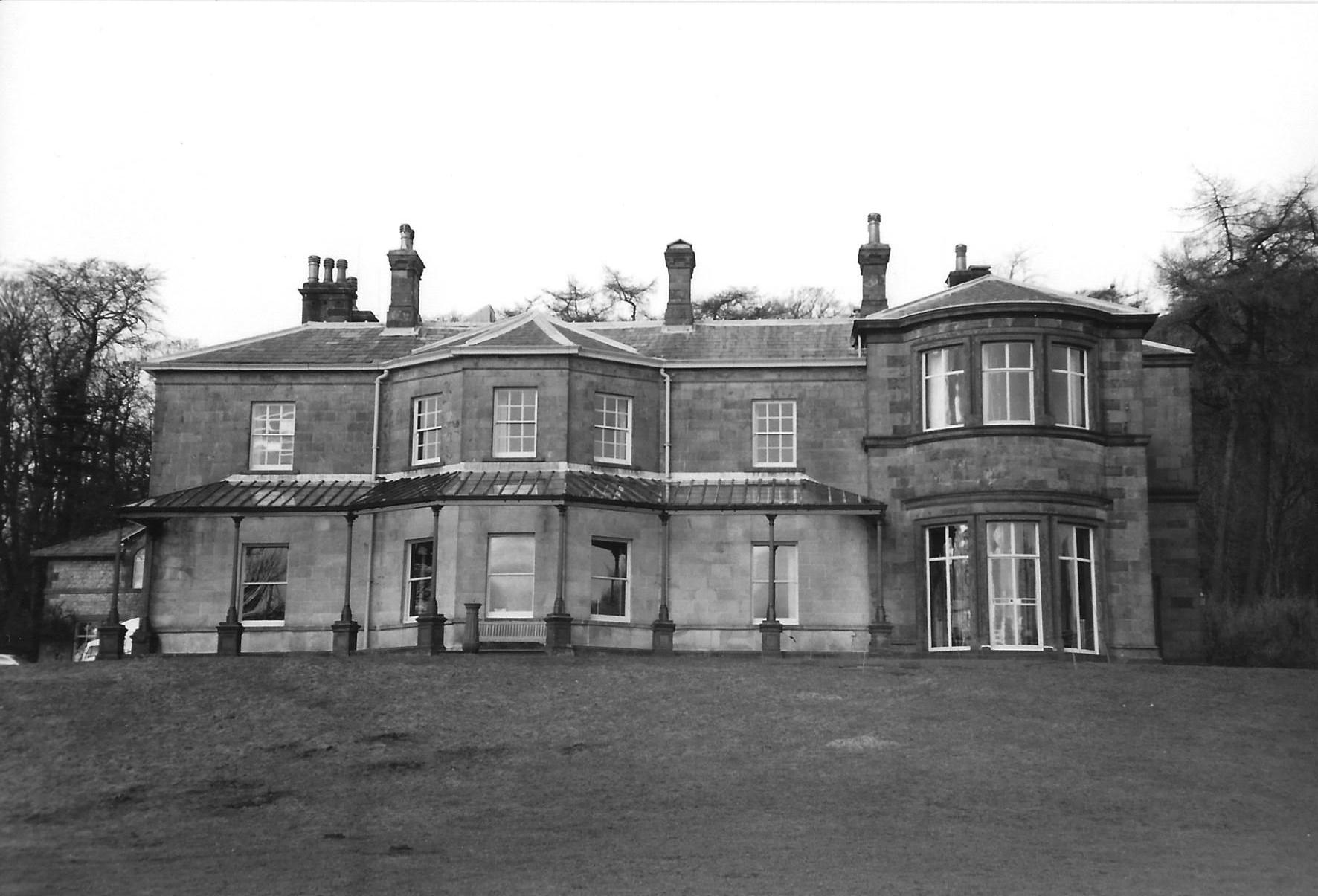 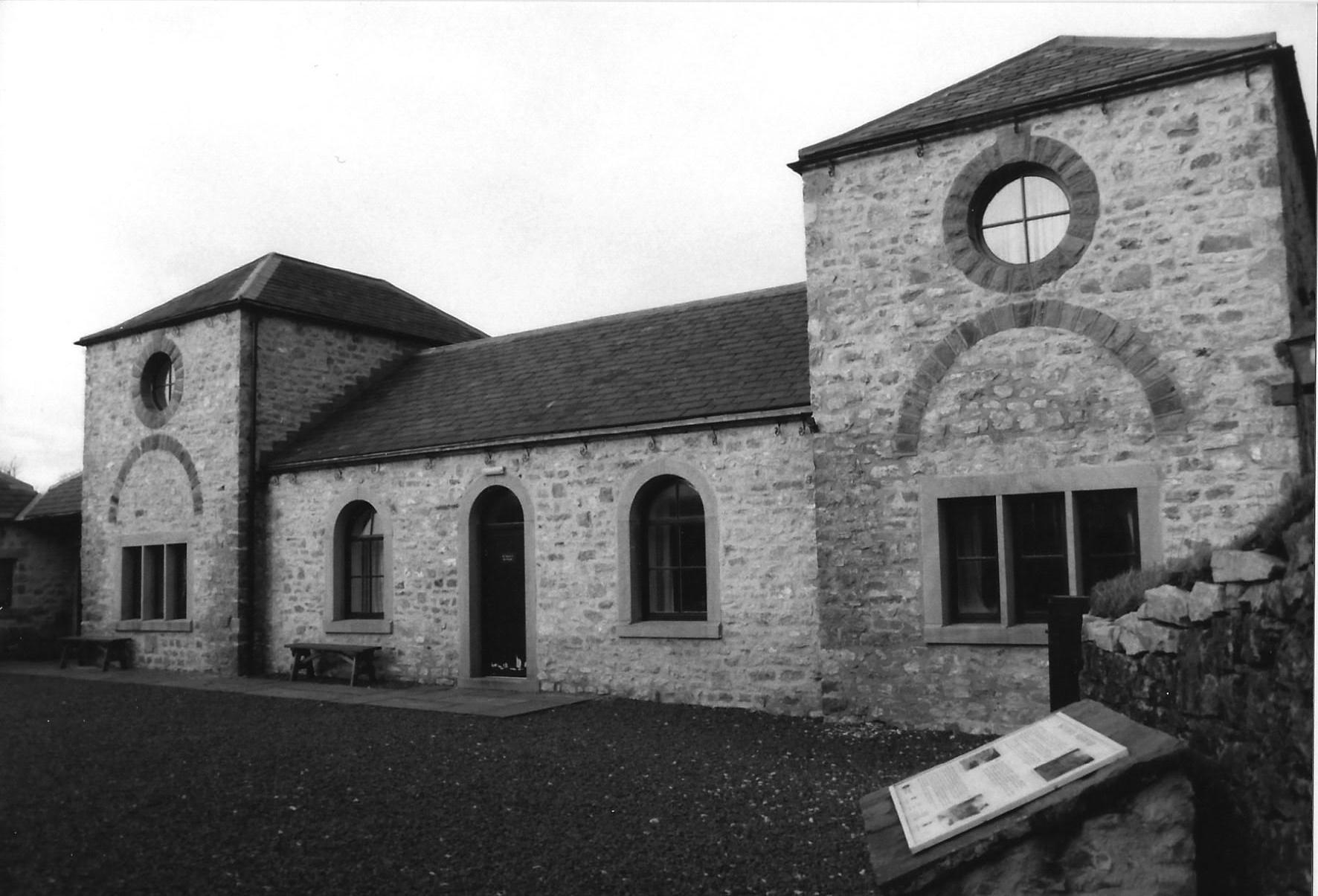 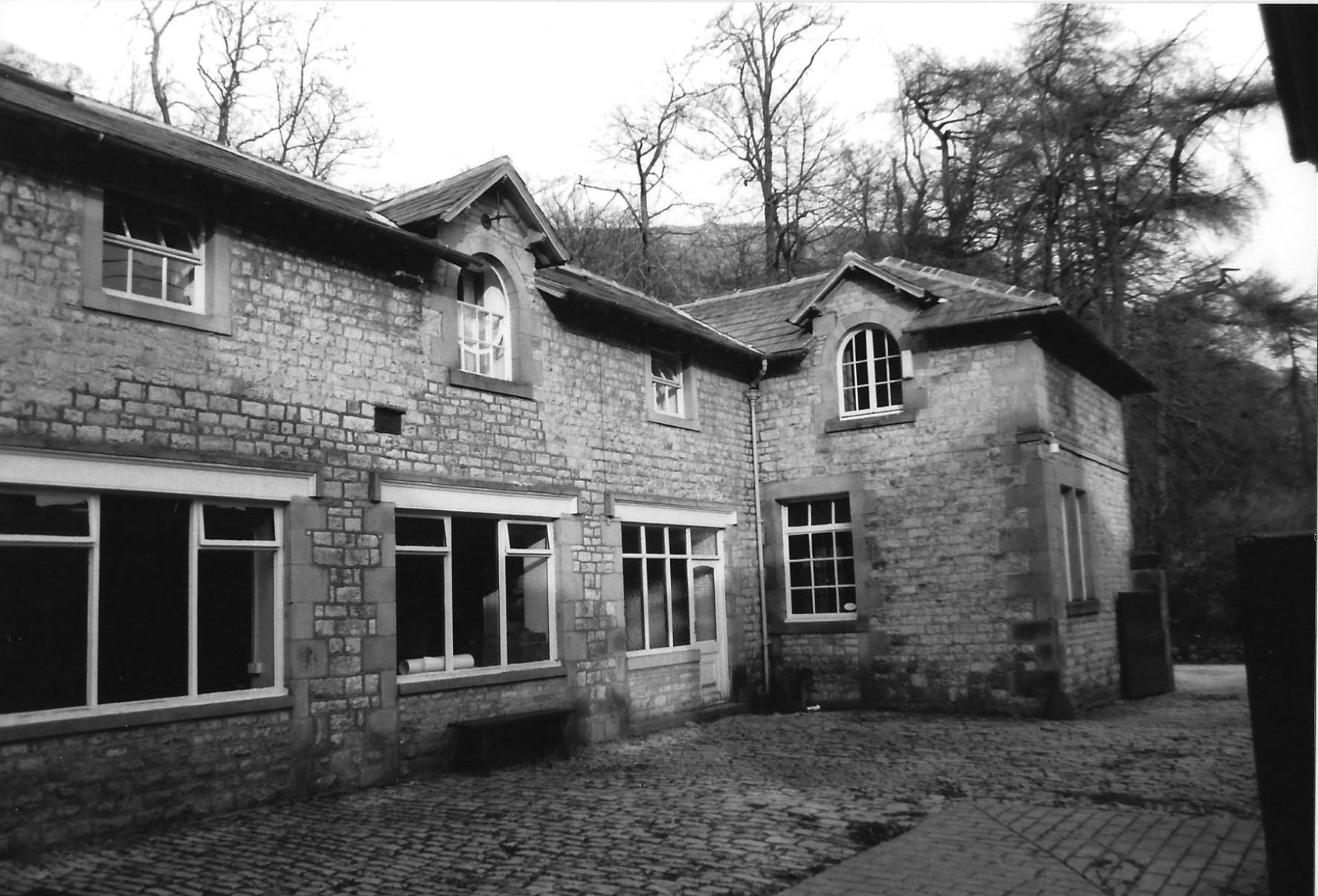 | Tarn House/Malham Tarn Field Centre. The original house was built around 1780 by Thomas Lister, later Lord Ribblesdale, as a shooting lodge. It was bought by James Morrison in 1852 and inherited by his son, Walter, in 1857. He died in 1921. The new house was built on top of the old and a new wing added in the 1870s. At one time there was a tower topped by a bell tower but these were dismantled in 1963. The interior has much quality woodwork, plaster work and fine bowed windows overlooking the tarn. Charles kingsley, a friend of Walter Morrison MP, is said to have stayed at Tarn House and had the inspiration for the Water Babies from the Cove which forms part of the estate. Charles Darwin is also thought to have stayed there The estate was given to the National Trust in 1947 by Mrs. Hutton-Croft. It is now managed in let farms with a lease to the Field Studies Council. Update 2025 – Lease to FSC expired 2023, not renewed, FSC moved out. 2024 National trust conducted significant renovations and moved into offices in rear wing. Orchid house at rear had been renovated 2017 as a meeting and gallery space with toilets. |
 | Middle House Old Middle House was built in the earlier part of the 17th century and the initials h k are carved in the headstone. Sheep drovers brought their animals to Malham Fair through Middle House Valley. The house is now a ruin. It was previously shown on Lang’s map of 1785/86. The King family lived there and later they built King House in Malham. Walter Morrison built the new house to replace it and it first appears on the os map of 1896 but is thought to date from around 1870. It is a two storeyed cross wing house built of limestone with a roof of Westmorland slate and a 20th century lean to garage. Update 2025 – Old Middle House is being maintained as a largely intact ruin complete with adjoining barns by National Trust. |
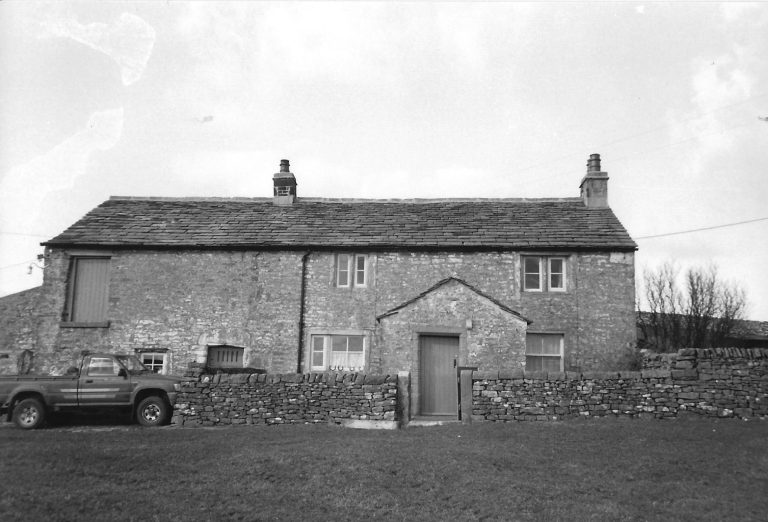 | New House Farm A Grade II Listed Building. A farmhouse with attached byre built in the late 17th century with 18th century alterations. It is built of gritstone rubble with a graduated stone slate roof. The living room has a large fireplace with a plain 18th century surround and 19th century cast iron range. The house is a good example of a 17th century vernacular building and is little altered. The 65 acre farm was acquired by the National Trust in 1996. The four hay meadows and small limestone cliff are classified as SSSIs because of their botanical importance |
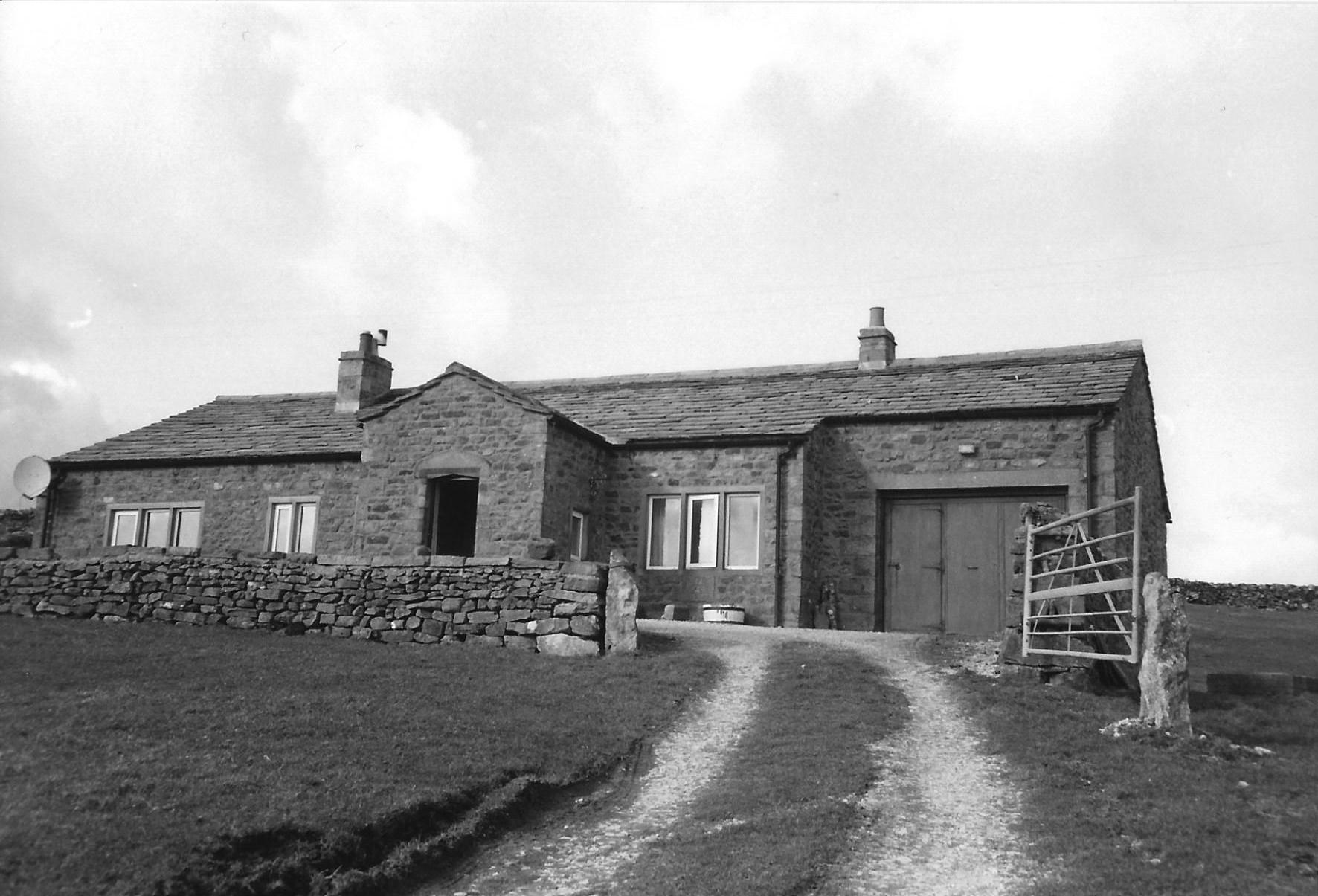 | East Winds, Lee Gate A bungalow built in 1988/89 by David Campbell of Settle for former occupants of Lee Gate Farm. The stone and most of the slate were previously on an out barn in the Malham area. The lintel above the front door came from Lee Gate. |
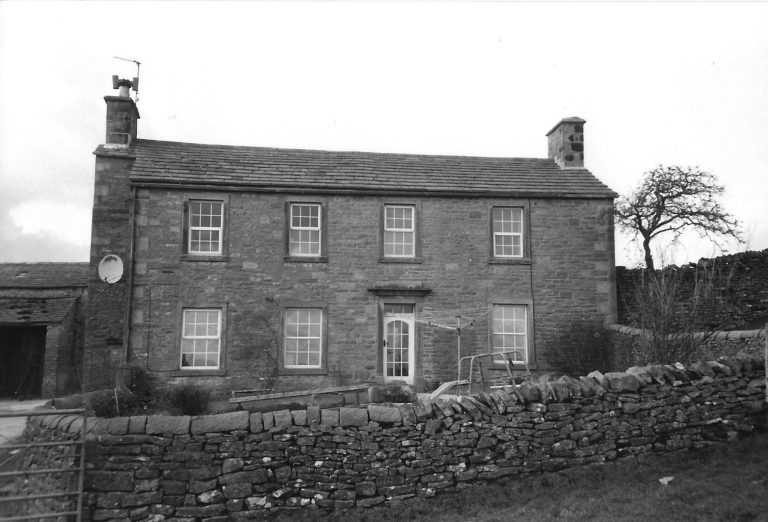 | Lee Gate Farm It is probable that Lee Gate Farm is on the site of ‘Hawthorne Leys’ mentioned in the rental documents of Fountain’s Abbey. On the lintel above the former shippon there is a date B 1696. During renovation work a stone was found in good condition S W 1 1642 and it is now fixed above the back door. When the house was re-roofed around 1960, Thorntons, the slaters from Skipton, said the roof had been formed at three different times. The house previously had a large inglenook fireplace with a window in the recess. There is a traditional dairy with long blue slate slabs. From 1841 – 1881 Henry and Jane Sharp, together with their family, Elizabeth, Robert, Mary Jane, Thomas and Arabella, lived there. 1881 – 1927 it was the home of John and Nanny Nelson and their family of four sons and four daughters. From 1927 onwards it has been farmed by successive generations of the Carr family. |
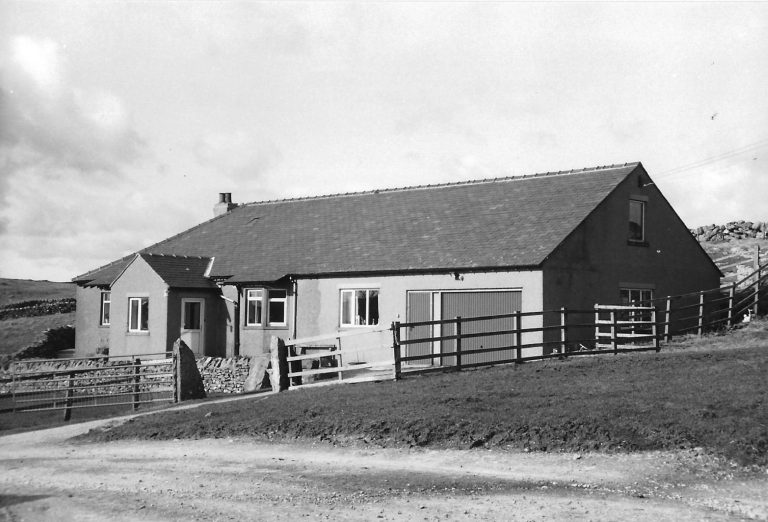 | Wayside, Lee Gate A bungalow built in 1953/54 by M. Robinson of Hellifield for Henry and Caroline Carr when they retired from Lee Gate farm. Henry Carr died in 1960 and Caroline in 1961. The bungalow was then let privately until 1985 when it was returned to family occupation.The house was extended by Lyness of Shipley in 1991 |
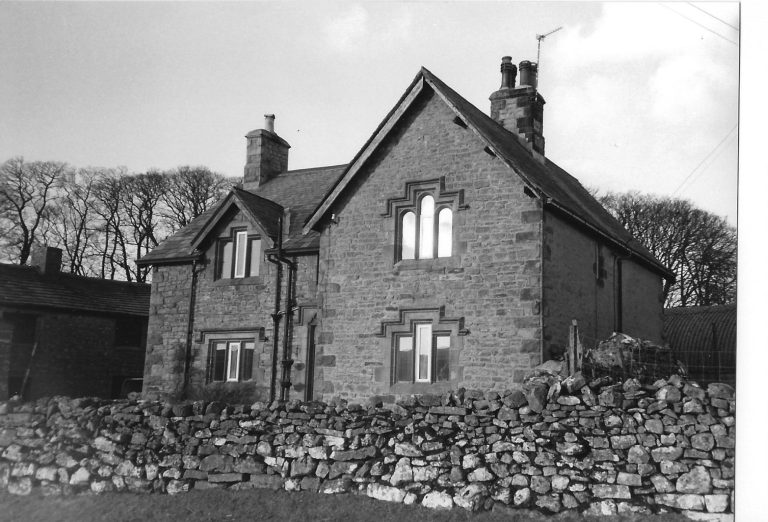 | Low Trenhouse This stone house was built in 1907 by William Morrison. The earlier house is now a barn and a Grade II listed building. It was originally a farmstead documented in Fountain’s Abbey records and built of Limestone rubble with a stone flag roof. In the early 19th century Low Trenhouse was used to facilitate Lister’s mining operation of which the smelt chimney remains. Lister’s estates included Low Trenhouse at that time and the chimney was used between 1815 and 1860. The estate passed to Walter Morrison’s family in 1852 and eventually became the property of The National Trust. |
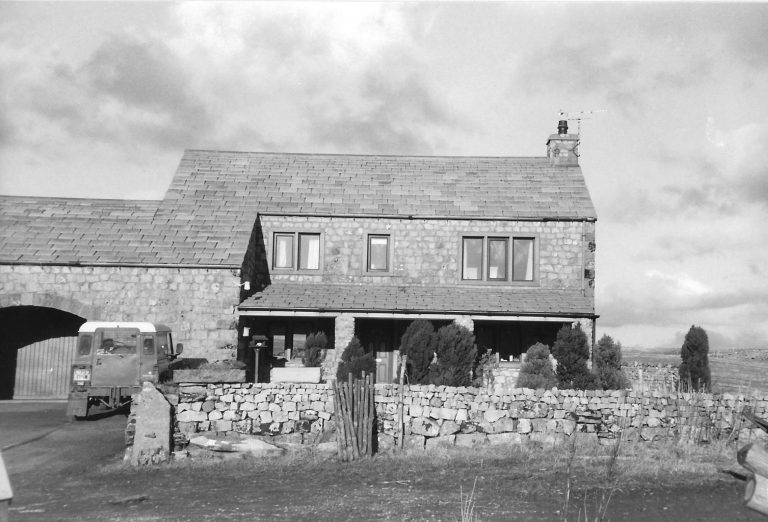 | Limestones A new house built in 1991 on land previously part of the farm fields. |
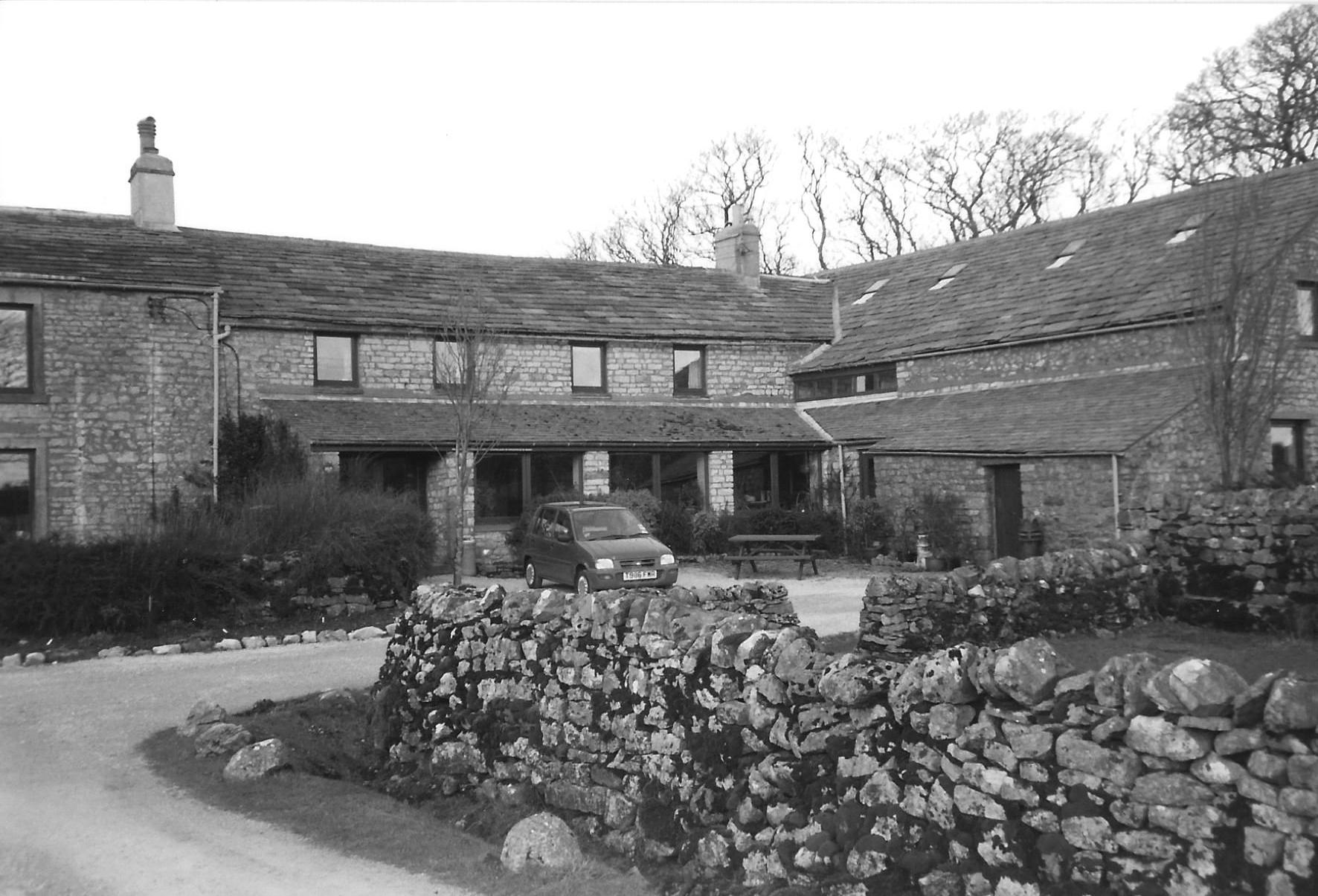 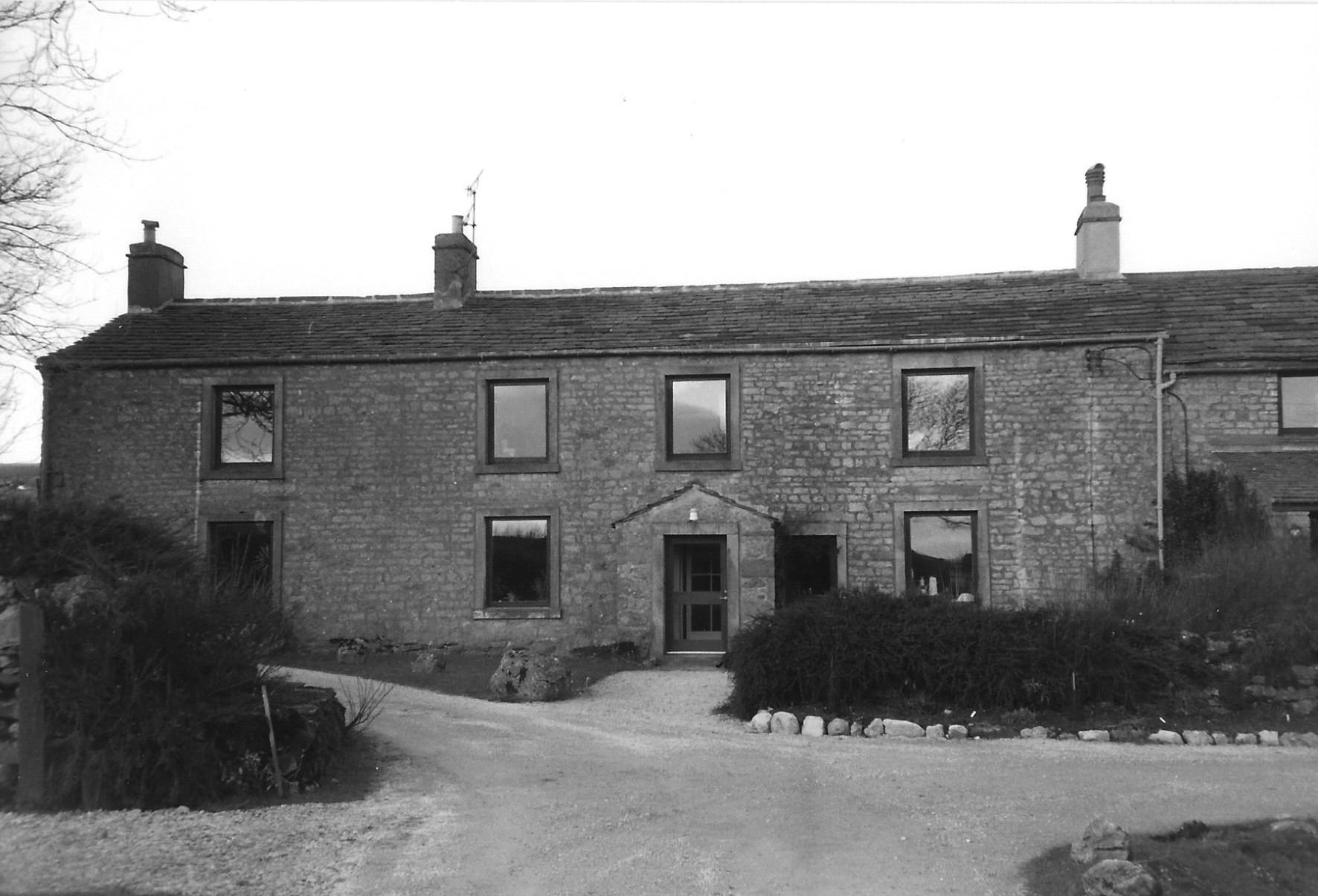 | High Trenhouse This farmhouse appears in Fountain’s Abbey records and was lived in by sheepmasters and their servants. The Coates family moved from there to Lancashire in 1939 and the Carrs then lived there until 1965. When the farm was split up in 1976 the National Trust bought some of the land. It is now The Centre for Management Creativity |
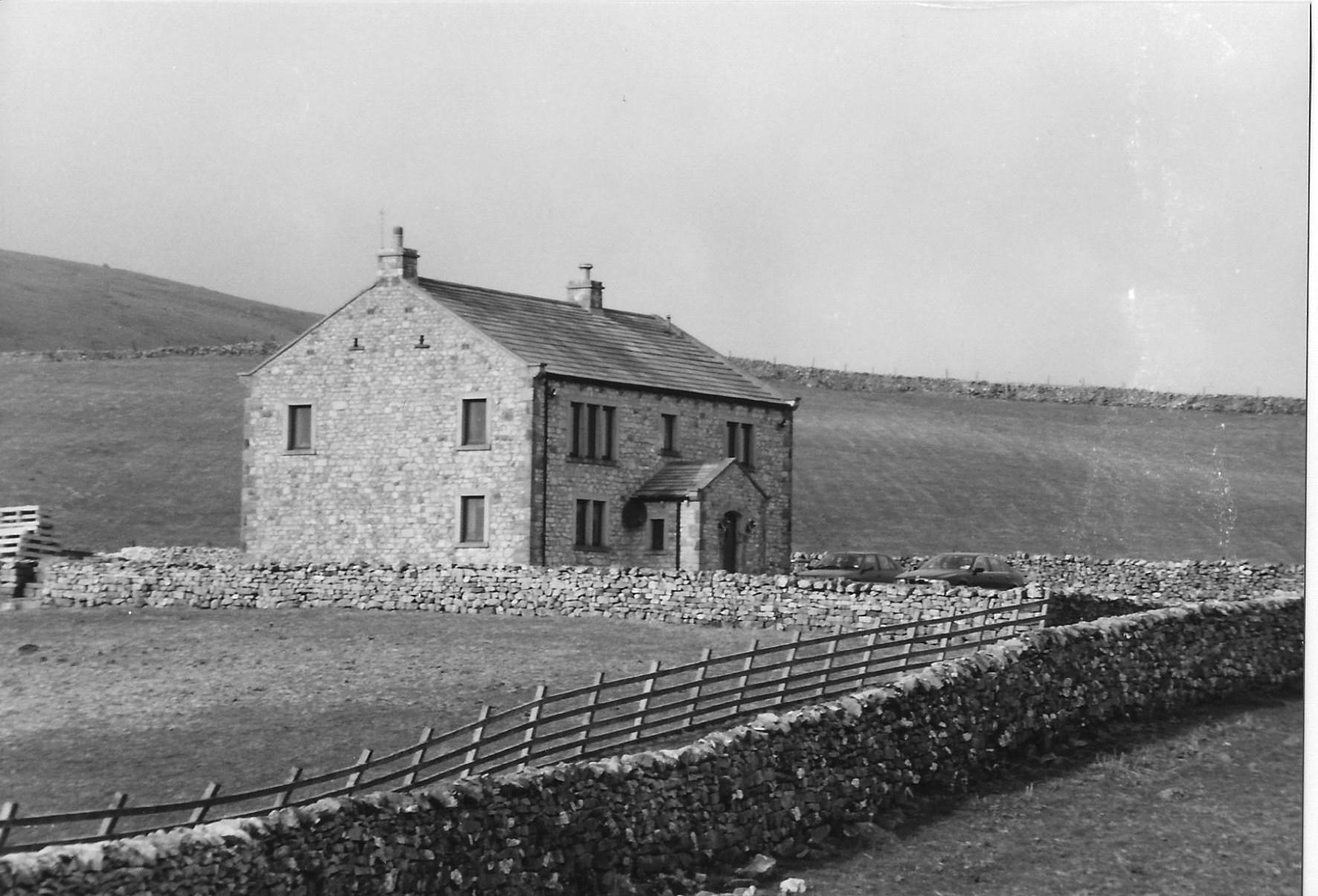 | Kiln House Built by Jim Thwaite (builder) of Crakemoor, Airton for current owners in 1994. Planned by Trevor Graveson of Settle |
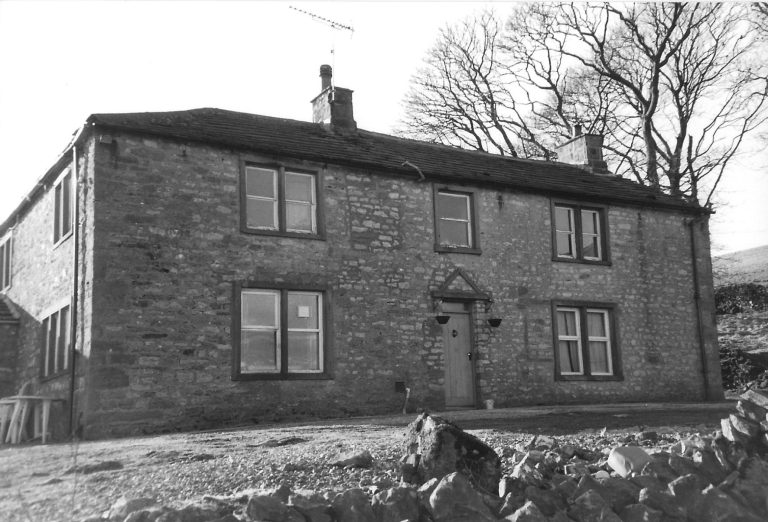 | Capon Hall A large stone built farmhouse on the road to Stainforth. The earlier house was on part of the land owned by Fountain’s Abbey and appears in their records when Thomas Benson and Richard Peycok rented by the year. In more recent years it was cut off completely by the snows of 1947 |
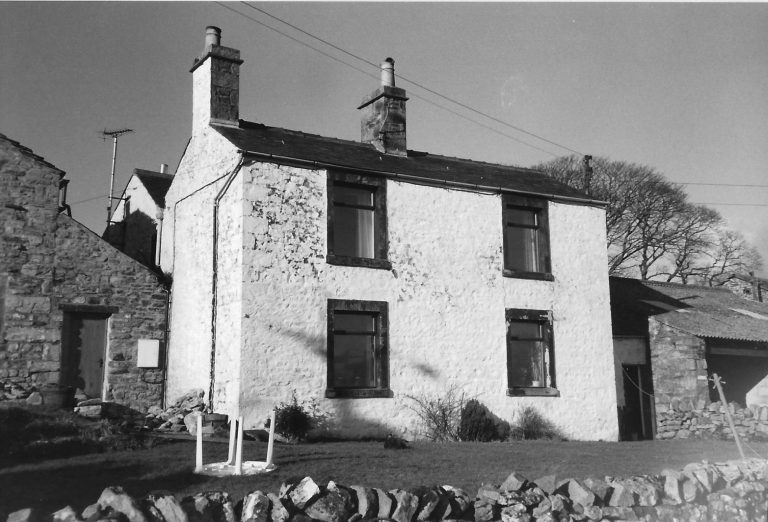 | Capon Hall Cottage A whitewashed cottage adjacent to Capon Hall and appearing to be a double cottage with two roofs. Also part of the complex which once belonged to Fountain’s Abbey before the dissolution |
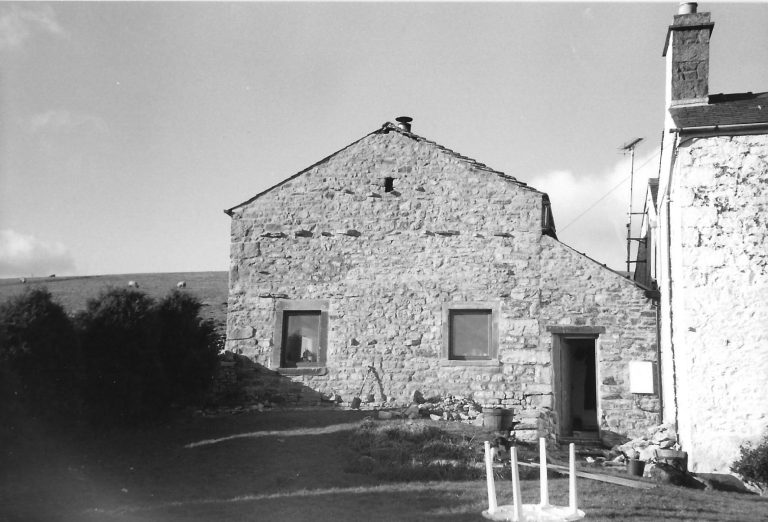 | Swallow Croft, Capon Hall A new barn conversion adjoining Capon Hall Cottage |
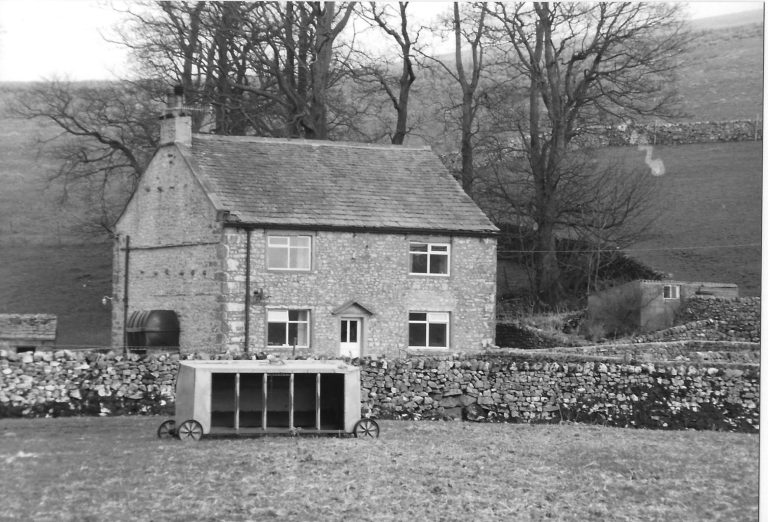 | Westside House A farmhouse built of stone on land which once belonged to Fountain’s Abbey. Richard Toller and Richard Wharf are recorded as holding a tenement here before the dissolution |
 | Rough Close A two storey, stone farmhouse with extension built on land which was once owned by Fountain’s Abbey. An agreement of 1409 brought the Malham Moor boundary to Rough Close, or Brodewythes, because in ancient times crosses had been set in the ground as landmarks. Before the dissolution, Jeffray Proctor held a tenement at Rughecloss of lands and meadows |
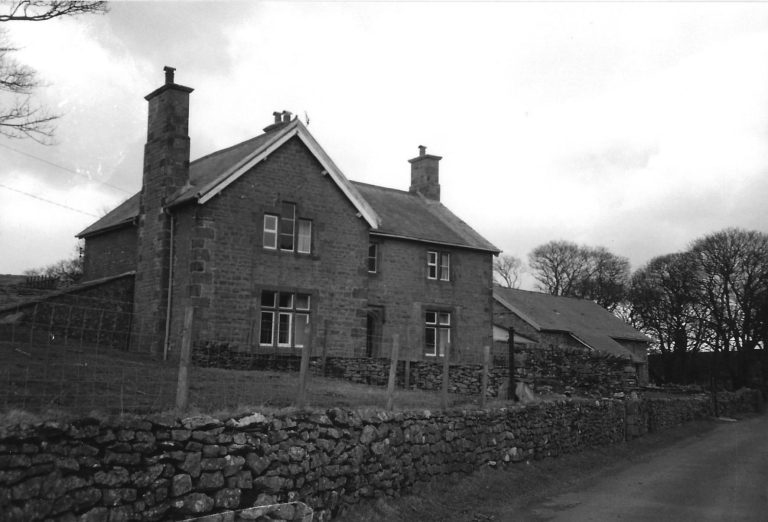 | Rainscar Farm A stone farmhouse on the boundary edge of Malham Moor and under the shadow of Pen-y-ghent. In 1409 an agreement was made to have the boundary of Malham Moor set by landmarks and a new cross was erected at Rains Car. The base of this cross is supposed to be still there. |
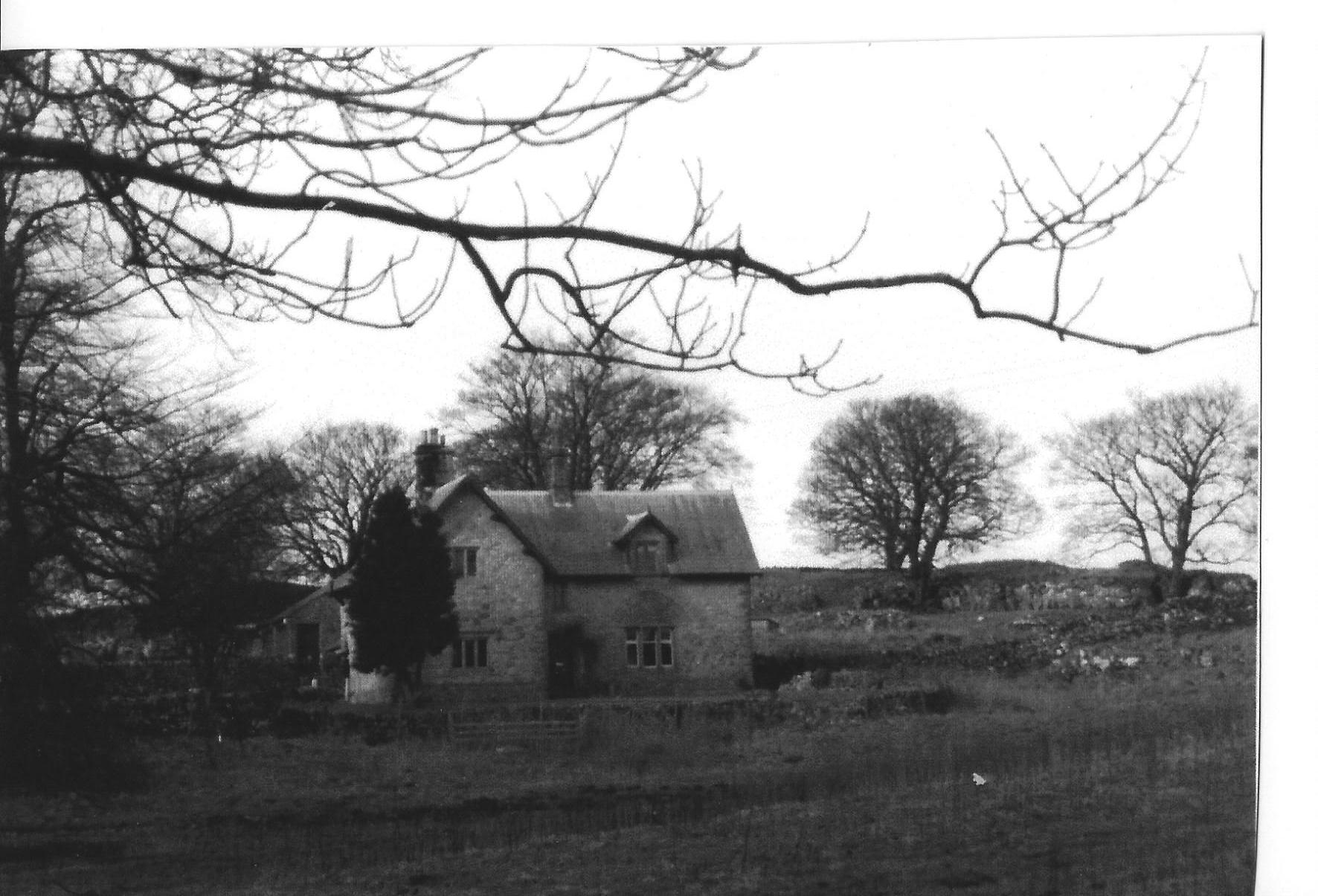 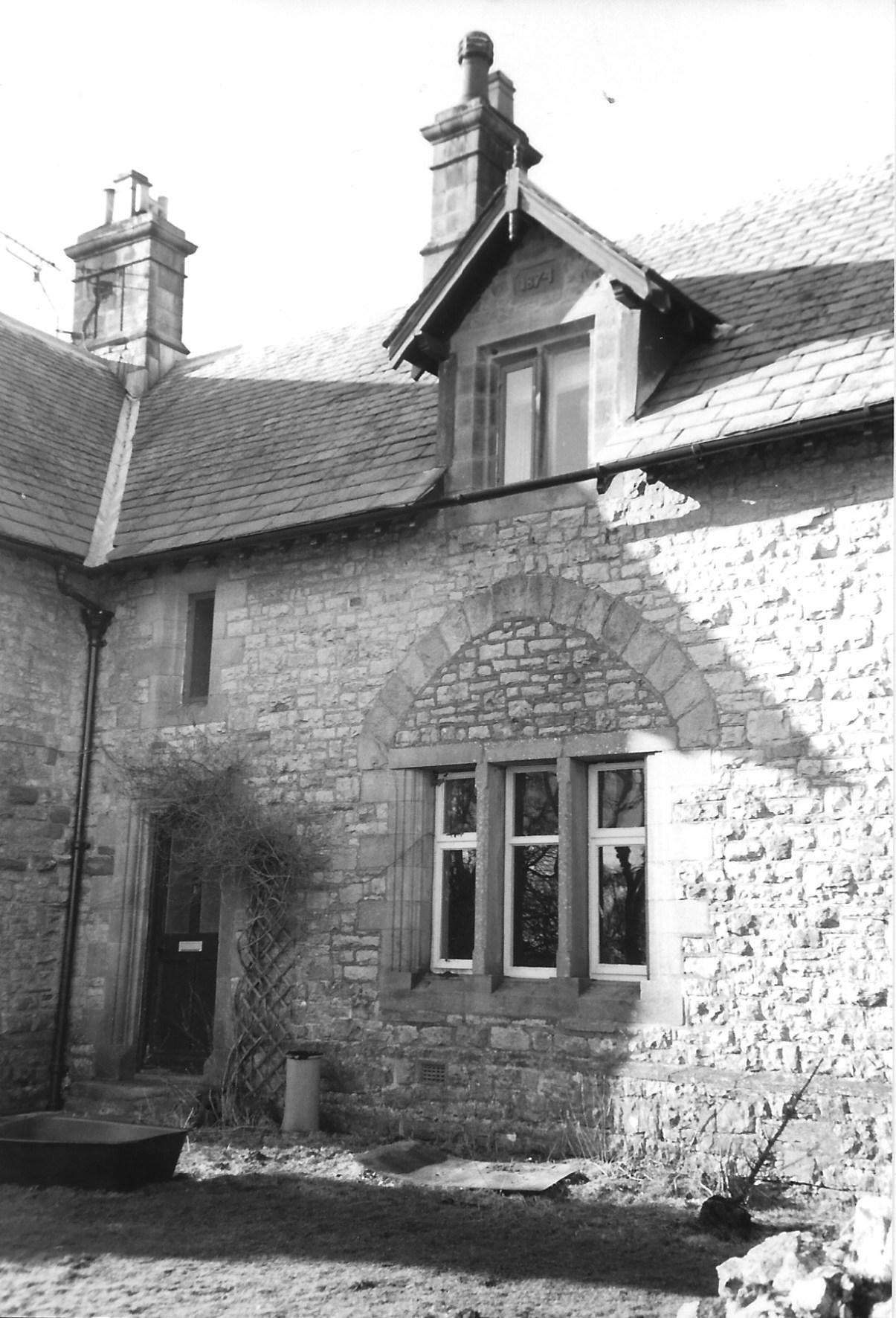 | Home Farm, Malham Tarn Part of the Malham Tarn estate, this is an extensive upland sheep farm which originated in the amalgamation of Stangill and Waterhouses tenancy in C19. The present farmhouse is the former schoolhouse built by Walter Morrison in 1874. It has limestone rubble walls and a Westmorland slate roof. It is a two storey cross wing house. The north east wing originally a school room with single room accommodation above. The date 1874 appears above the dormer window and one of the original windows survives |
 Malhamdale Local History Group