Malham Village and Environs:
Click here for drop-down table of photos and descriptions of residences in Malham parish, year 2000, and a number of later additions after the original project completed.
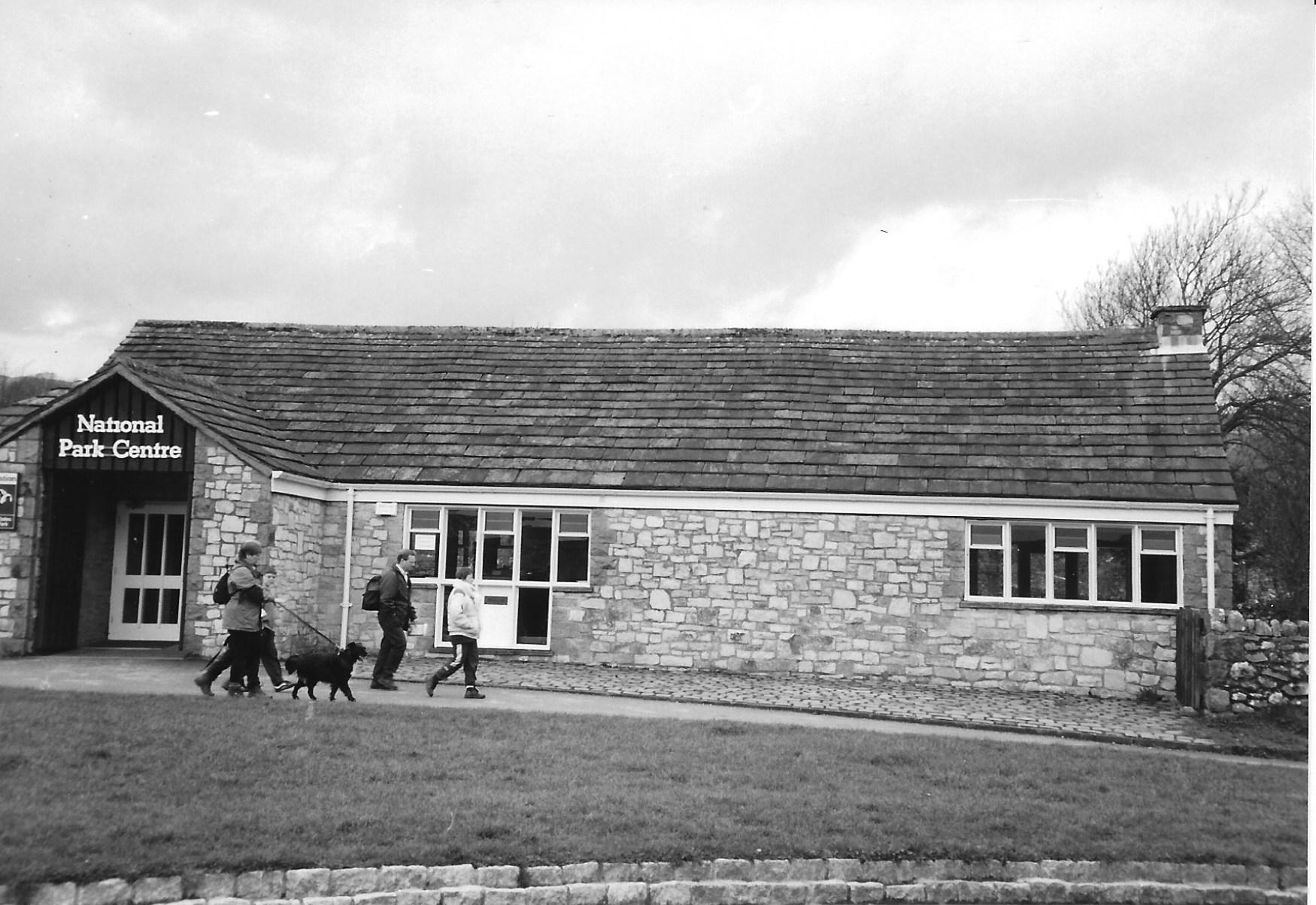 | Malham National Park Visitor Centre The Information Centre and car park were built on land belonging to Holme House Farm (Sharp family) in 1973. The road into the village was widened and straightened at the same time. |
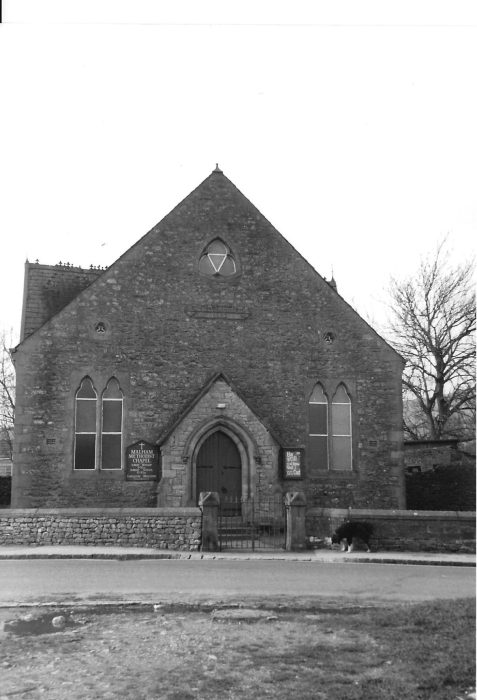 | Methodist Chapel: On a November day in 1864, Mrs Anne Tasker of Skipton trudged up the lane to Hill Top, Malham, to visit Mr Henry Atkinson, an old man who was in failing health. He was a landowner of means who took an interest invillage life especially the Methodist cause. At that time the Methodists of Malham met for worship in a converted barn, which stood on practically the same site as the present chapel. Mr. Atkinson told his visitor that before he died, he would like to see Malham have a purpose built chapel for which he generously offered to provide the money. A sum of £630 was quoted by a Skipton builder, Mr Wright. Mr. Atkinson also made available additional land at the edge of the village where the new building could be constructed. Soon builders and joiners recalls “I can see him now beating time with his fist on the old |
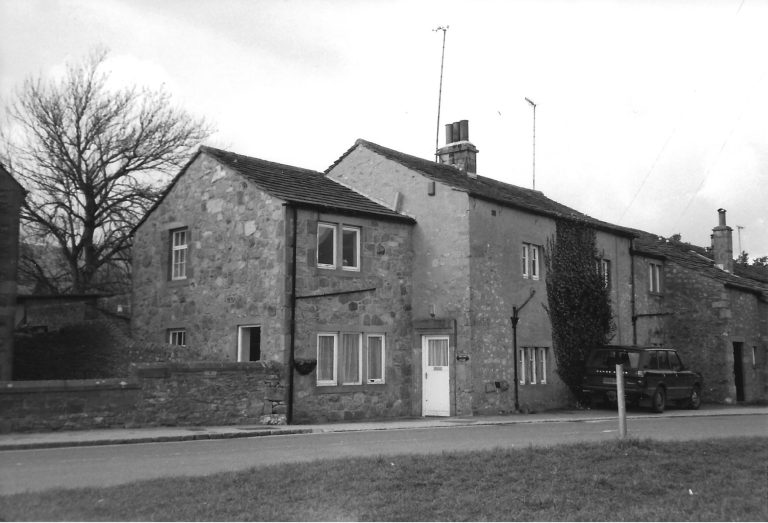 | Town End Cottage Town End cottage is a Grade II Listed Building dated 1723. It is of slobbered rubble construction with stone dressings and stone slate roof. The door lintel has the initials RMH, a heart shaped device and the date. The extension to part of the left hand gable is 20th century |
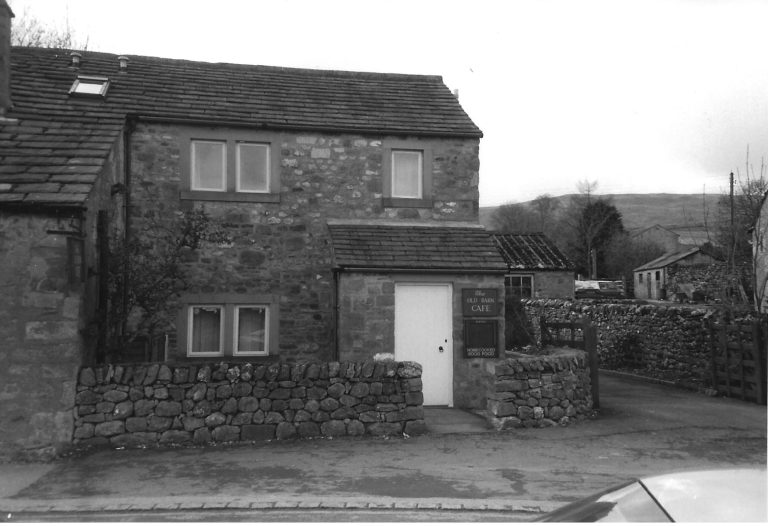 | The Old Barn was the first barn conversion in Malham owned by the Rev. Kenyon, a retired vicar from Huddersfield. The property now consists of a Cafe, with flat and adjoining two storey cottage. The cafe was run by the famous climber Peter Livesey and his wife until after his death in 1997 at the age of 52. The cottage and flat have been used as holiday lets |
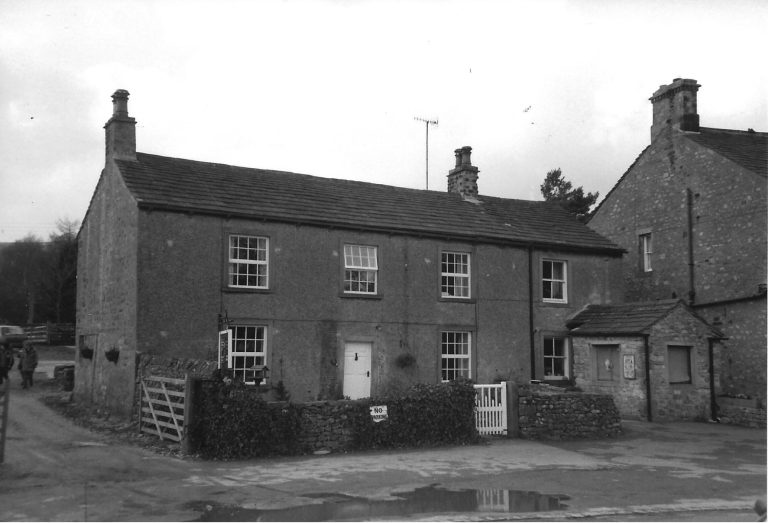 | Holme House is a Grade II listed farmhouse built in the 17th century and refronted in the mid 19th century. It is rendered with pebbledash with stone dressings and a stone slate roof Prior to the sale of the house in 1997, the single storey extension was used as a shop selling sweets and ice cream. After the sale it became the Yorkshire Dales Trekking Centre |
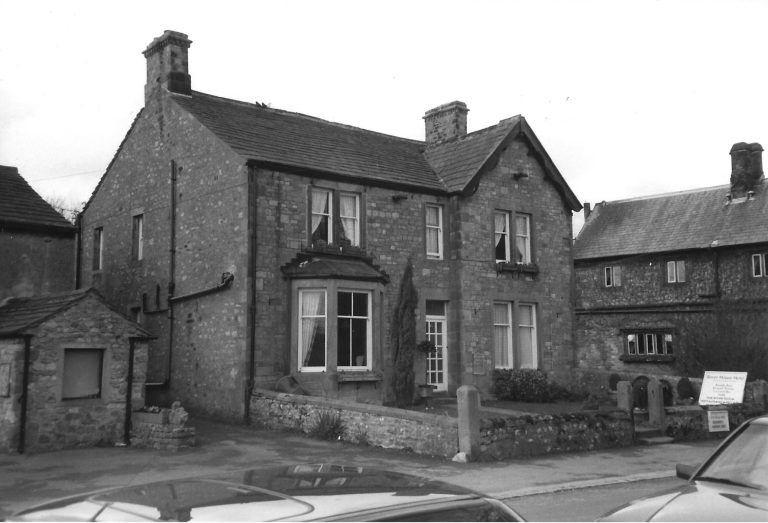 | River House Hotel is built around a very old original building dating from 1664 and has undergone several changes of name. The datestone above the back door shows M H 1664 1879. The M H and 1879 were added to the original datestone when the Victorian frontage was built by Margaret Harrison. The two rear rooms which were obviously the original building, were large with stone flagged floors. Facing the front and looking towards the river, the kitchen and pantry walls were three feet thick and would have been the original front of the house. Both River House and Holme Farm next door, were built on a slope and had many different levels. Through the back door with the datestone was another stone flagged room with a shallow stone sink where there is also a round headed window in what appears to have been a kitchen. In 1896, Henry Harrison the owner of the property, then called Aireview, made a will leaving his estate to his widow, Jane Harrison and his two sons John Harrison of Cromwell Cottage and Richard Harrison of Friars Garth. In 1911 they had to give up the right to the house to pay a debt to Mary Ann Hayhurst, wife of George, who made the property into an hotel to be known as Aireview Private Hotel. He was a blacksmith and used the large barn at the rear as a workplace. He also built the corrugated hut at the rear which was known as St. George’s Hall. This was used for village dances and later became a cafe and restaurant. Wedding receptions were also held in the hall including the reception of Willie Hudson and Mary Bolland in 1932. Many of the older ladies in Malham today, used to work as waitresses for George Hayhurst, including Mary Hudson (Bolland). At sometime during this period it changed its name again to the Airedale Private Hotel. During the Second World War, a family called Wiseman with four or five children, changed the name to Sparth House and it became a private dwelling. In 1948 Bessie Smithson and her mother bought the house which once again was used for guests with three letting bedrooms at the front. The small dining room at the front was also a cafe and the hall was used for parties, receptions and meetings. The WI used to meet there. Ramblers and cyclists could also buy pots of tea to have with their own food at one shilling per person. In 1966 Alan and Gillian Cooper, with three small children, bought the property, still using it as a guest house but needing to expand to keep a family of five. In 1970, the old barn, dating back to the 1600s, was converted into a private dwelling with four bedrooms, by Norman Eastwood, with the Coopers as labourers. In 1974/5 St. George’s Hall was re-built making the house and hall on one level and creating five new bedrooms with bathrooms above. A group of Morris Dancers used the Hall every year for forty years on Whit Saturday. On Whit Saturday, June 2nd, 1975 the Coopers had 96 for tea and it snowed! This preceded one of the hottest summers on record. In February 1987 the property was sold to David and Lesley Oates and their three children. They converted the front dining room into a disabled bedroom and created some en-suite facilities. They did not cater for parties. The property was sold again in 1998 and was re-named the River House Hotel. |
 | The Smithy is a single storey, stone building. It was sold to Bill Wild of 2 Cherry Cottages in 1946. It was here that he made his famous sculptures, wrought iron work and carvings. After his death in 1984 he left the Smithy to Kirkby Malham Church to be let only as a working smithy. Since 1984 it has been let to Donald Rawson of Eastwood House, John Clements and Phil Mason. The present occupant has removed some fine etched windows by Bill Wild, and is putting them on display in the Smithy to ensure they remain undamaged |
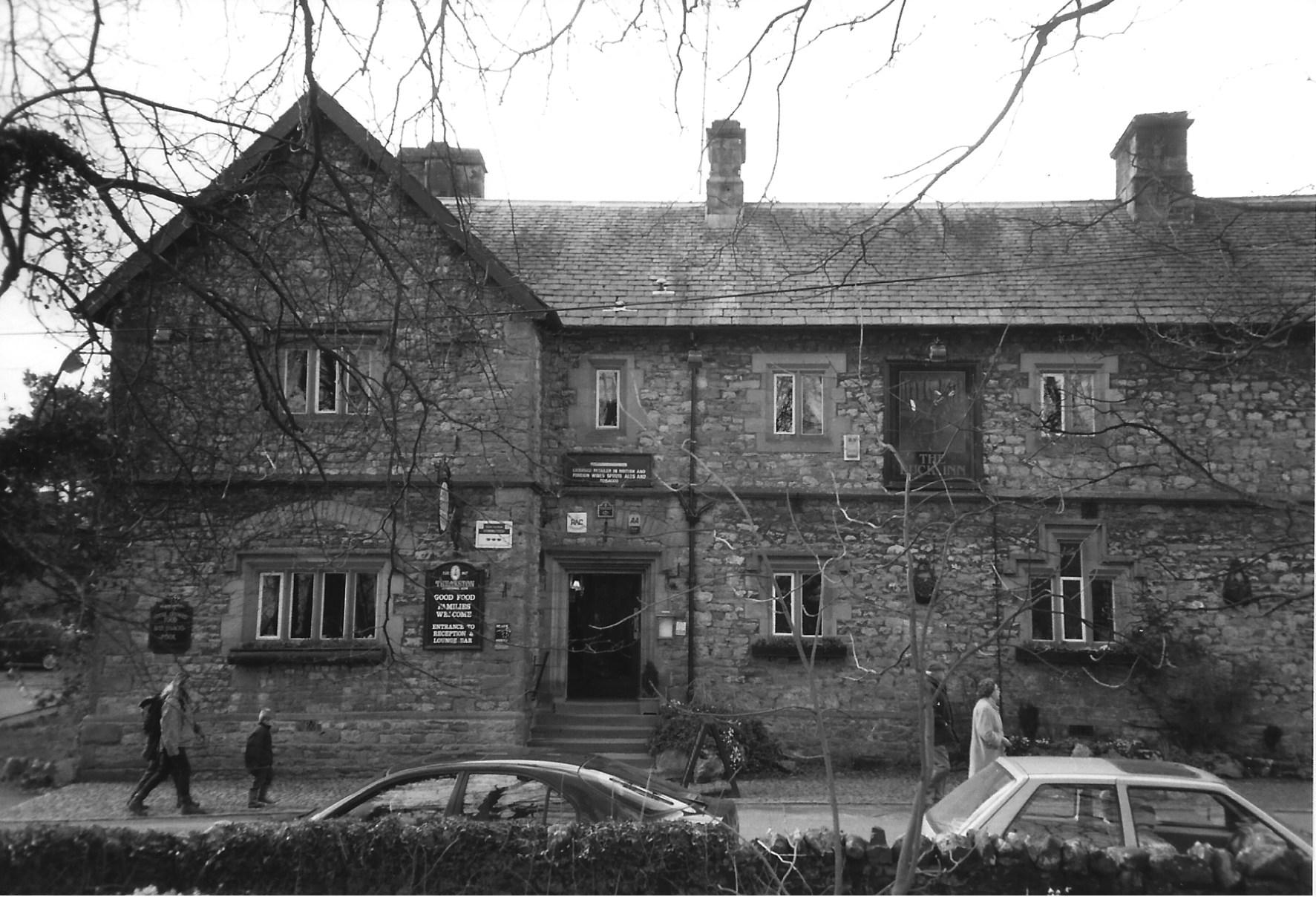 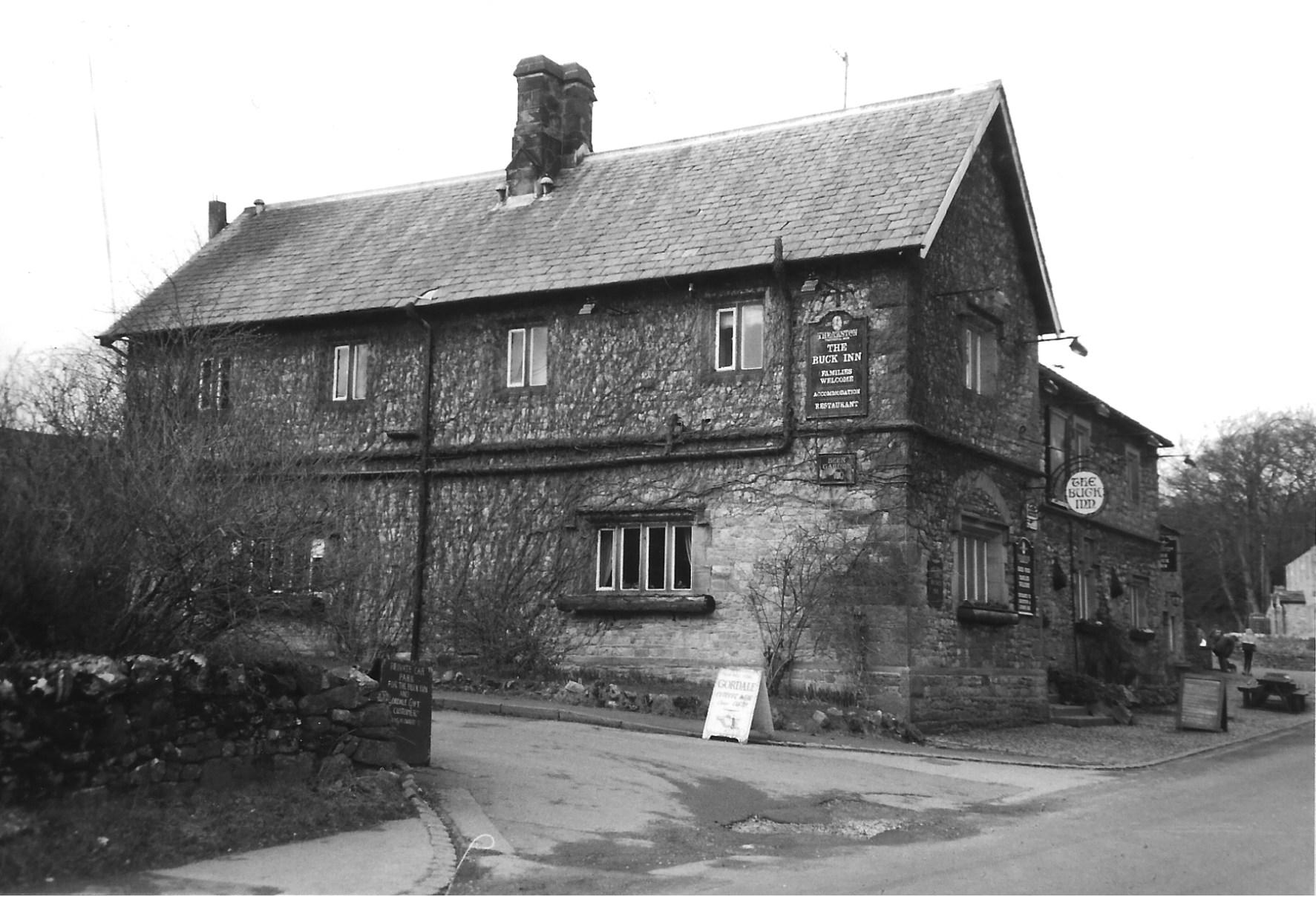  | The Buck Inn was built by Walter Morrison of Tarn House in 1874 to replace an older building of which only a small cottage remains at the north end of the inn. The cottage was once used by miners on Pikedaw. The date 1874 is recorded on the chimney of the Inn. The steep pitch of the roof is typical of many buildings by Walter Morrison. In 1964 the cottages were converted into the hikers’ bar |
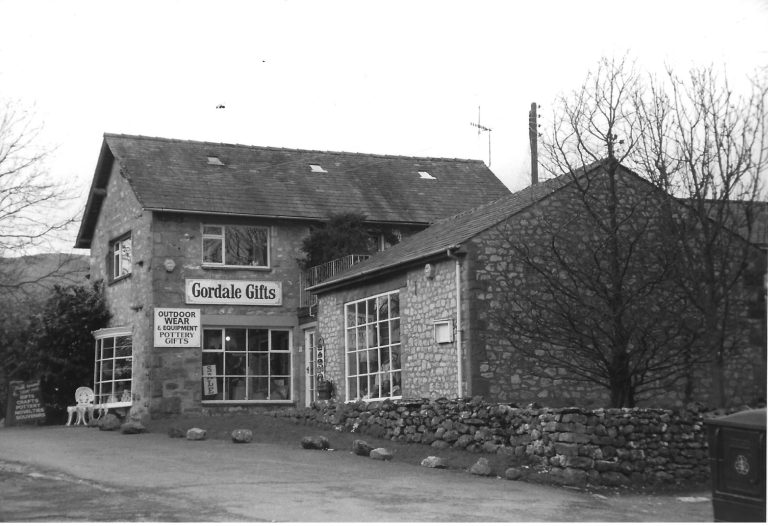 | Gordale Gifts and Daisy Bank This property was originally part of the stables of the Buck Inn built in 1874. The barn and stables were converted to a shop in 1973 by Harlands and it was extended in approximately 1978 also by them. 1983/4 the shop was extended again. The owner was Terry Marston and the builder was Maurice Blades. 1985 the shop and flat above were bought by Julie and Michael Orrell. 1987 the shop and flat were extended to form the house Daisy Bank, built by Norman Eastwood of Horton in Ribblesdale |
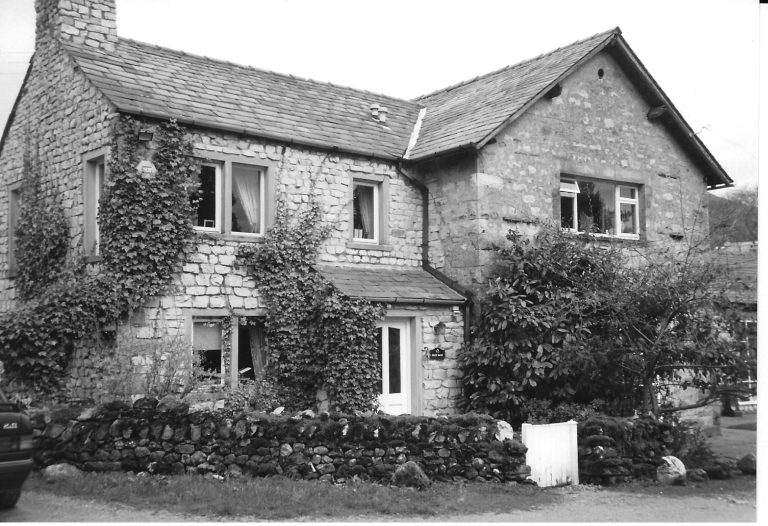 | Daisy Bank This property was originally part of the stables of the Buck Inn built in 1874. The barn and stables were converted to a shop in 1973 by Harlands and it was extended in approximately 1978 also by them. 1983/4 the shop was extended again. The owner was Terry Marston and the builder was Maurice Blades. 1985 the shop and flat above were bought by Julie and Michael Orrell. 1987 the shop and flat were extended to form the house Daisy Bank, built by Norman Eastwood of Horton in Ribblesdale |
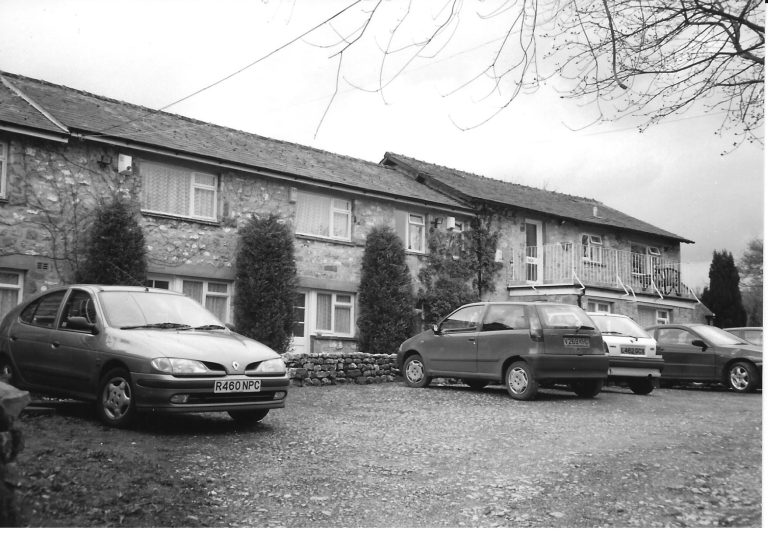 | Gordale Court This was originally part of the stables of the Buck Inn. They were converted into living accommodation in the early 1970s by Geoff and Jim Harland who had The Buck at that time. They were used for staff accommodation and letting cottages. |
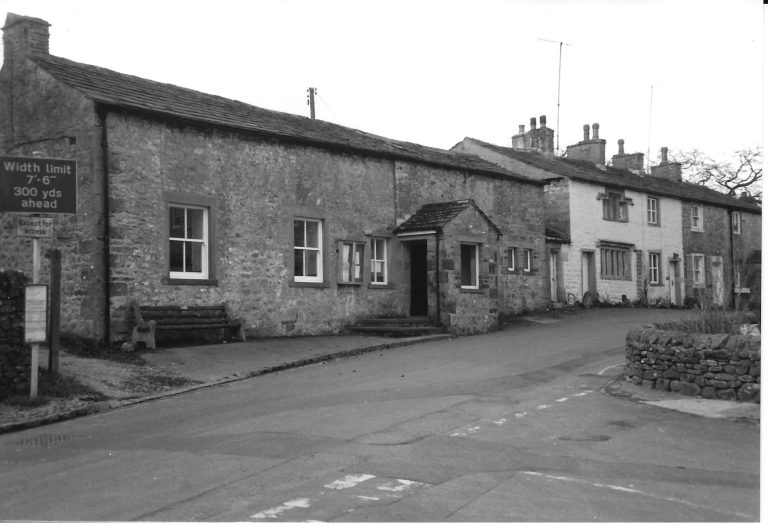 | Malham Village Hall This stands on the site of Malham Hall (medieval originally). In 1902 it was opened as a Reading Room converted from two cottages which were part of Walter Morrison’s estate. This was extended into an unused shop and an adjoining barn and was opened in 1965. In 1989 it was re-roofed by Keith and Maurice Blades of Malham, the kitchen was re-fitted in 1992 and the whole was refurbished in 1998 |
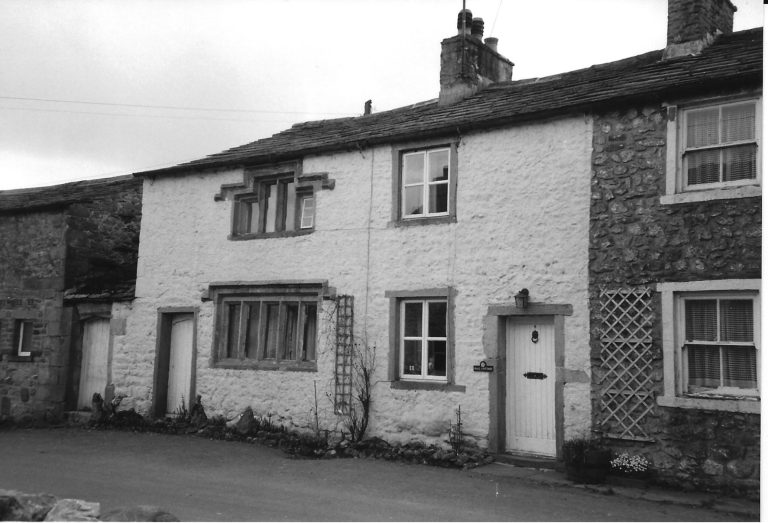 | Hall Cottage Hall Cottage is a Grade II Listed Building. It is stone built and was formed by the joining of two separate cottages in recent years. The older, southern, part is believed to have been part of Malham Hall which once stood on this site. This 17th century part has stone mullioned windows with hooded drip mouldings over. From around 1900 it was occupied by Mr and Mrs Banks. Mr Banks lost his eye in the blasting of the road through to Malham Tarn. Mrs Banks was the caretaker of the Village Hall and they brought up four daughters and two sons in the cottage. The northern part is less old, and from around 1900 this cottage was occupied by Miss Baines and her brother. Following his death, Mr George Ahurst, the blacksmith of the time, lived there. |
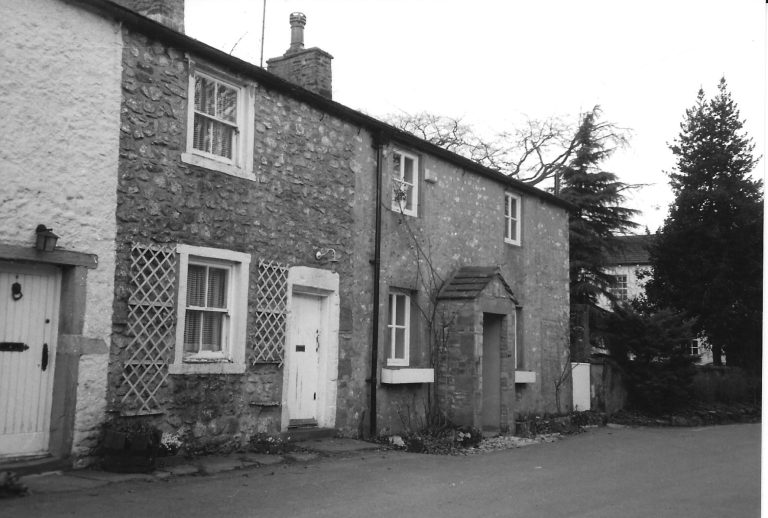 | Rose Cottage Rose Cottage is a small two storey stone built cottage with stone slate roof in the centre of New Row, with Hall Cottage on the left and Old Post Cottage on the right. It was Grade II listed in 1988. The cottage was part of Walter Morrison’s estate and was sold by auction at the Buck Hotel on July 21st 1922. It is currently used as a holiday cottage. There are many original features of Rose Cottage. These include an original oak door with one original hinge and hand made nails fixing the hinge to the door. The ground floor door between the front and back room is also original. The kitchen ceiling oak beams are exactly as when the cottage was built, also the bedroom floor which has very wide planks The outbuildings have the original walls and although the left hand roof is concrete, the right hand one is original and was the old earth closet. The rear casement windows are probably original |
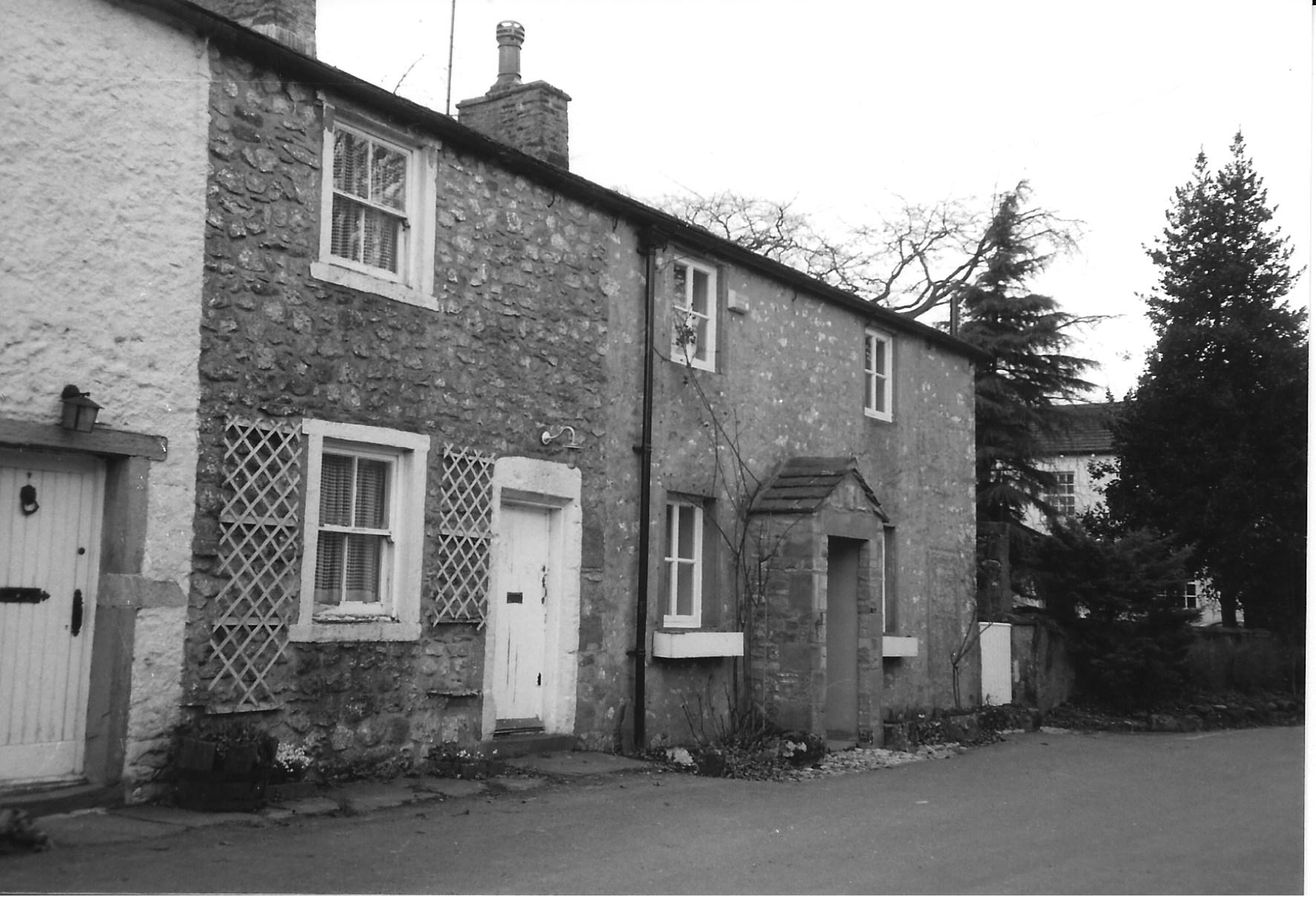 | Old Post Cottage. Old Post Cottage is a Grade II Listed Building of 17th century origin. It was originally two cottages belonging to Walter Morrison’s estate. They were sold by auction at the Buck Hotel, Malham on Friday 21st July 1922 and were bought by Elizabeth Ann Wiseman who lived there with her family until her death in 1955. She willed the cottages to Kirkby Malham Church and her family lived there until the death of her sister, Eliza Brown in October 1971. The end cottage was used by the Wiseman family as the village post office until it was transferred to its present position at South View in 1953. In 1972 the cottages were sold by Kirkby Malham Church Council to local residents. They were re-roofed in August 1972 and renovated to modern standards by the occupants and Maurice Blades of Airton. This was the last house in Malham to have electricity installed by Ted Holmes of Malham. Photograph shows Old Post Cottage on right. |
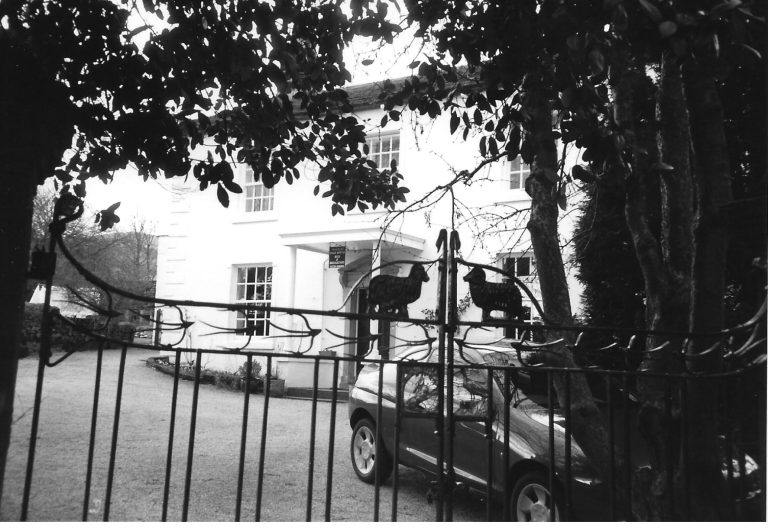 | Dale House Dale House was built by William Buck on the site of an earlier building. It was built between 1700 and 1780 with additions over the years. There is a bell at the top of the house which the owners think suggests it may have been used as some kind of meeting place for religious or other use. Of particular interest are the wrought iron gates made by Bill Wild The known ownership of Dale House is as follows:- Early 19th century- owned by William Hutton Brayshay. Late 19th and early 20th century: owned by Sir Douglas Owen, a surgeon of Harley Street 1923: owned by Lady Osmunda Bella Owen and sold to Alfred Henry Newbold of Hawkswick October 29th 1935: Florence Newbold, widow, sold to John Carr Woodhead of 13, Ward Street, Skipton for £750 May 9th 1950: J.C. Woodhead sold to Doris Mary Thompson of 74, Skipton Road, Barnoldswick. During her period at Dale House, she used to cater and also opened a small snack bar in the building which now is part of the Cove Centre. Church services were held above. |
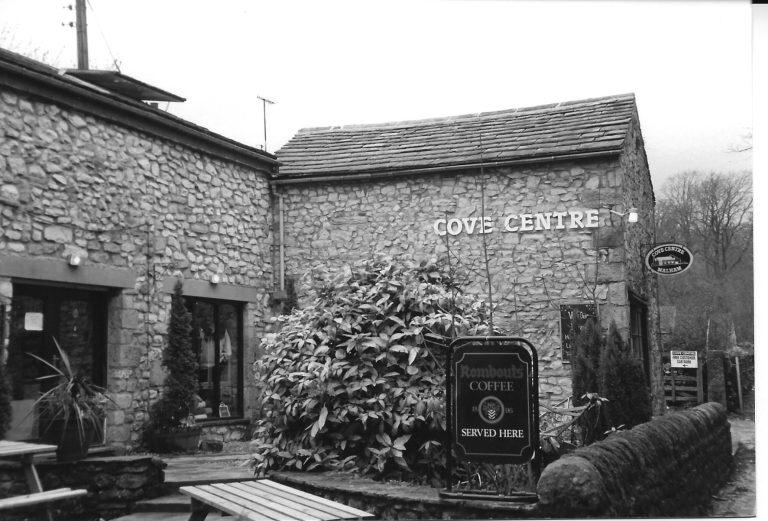 | The Cove Centre The Cove Centre was converted from a barn and stables which were part of Dale House, and a new weaving shed called Wallbridge Mill. The Mill had been built by Mr Asquith, the occupier of Dale House from 1968. He was the managing director of Listers Mill in Bradford. Church services used to be held in the loft above the stables which now form part of the Centre. They were taken by Rev. Chick from Kirkby Malham Church, and Rev. T. Kenyon of Malham, who was a retired vicar form Huddersfield. The Cove Centre was opened in 1985 by a Mr Hartley. It is now operated by Edinburgh Woollen Mills. Update 2025. After some years lying empty the site was purchased by Thwaites Brewery, the stone buildings of the Cove Centre being converted in 2018 to luxury guest accomodation called Lister’s Barn, operated by The Listers Arms Hotel. The modern barn behind was converted to a staff accommodation block with a guests car park behind that. |
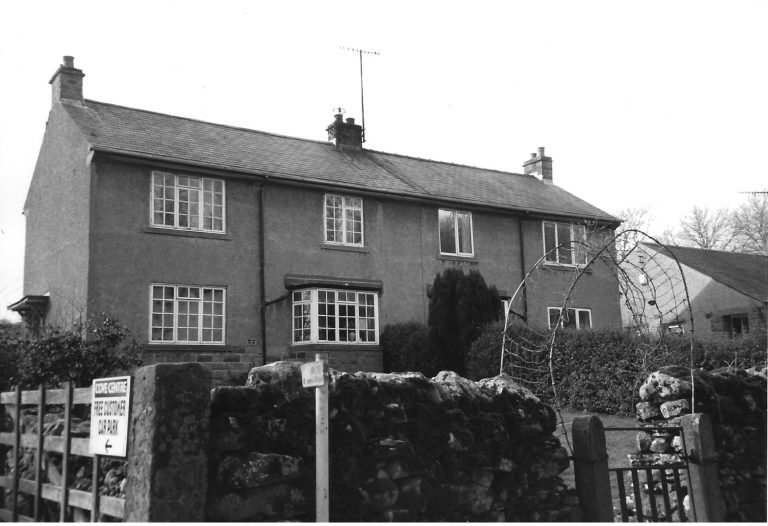 | 1 and 2 Cove Road (No 1 on the Right) These houses were built by Merritt and Fryers of Skipton in 1948 for Settle Rural District Council. The land was previously owned by Mr Geldard of Prior Hall, Malham. When they were built in 1948, these houses were named 1 & 2 Dell Cottages. |
 | Ghyll Stones This is a new house under construction built in a croft called Cow Ghyll Update 2025: The house was completed as a farmhouse with B&B and a steel frame barn built in the grounds. More recently a pair of camping pods were built on the sloping hillside after landscaping/terracing. |
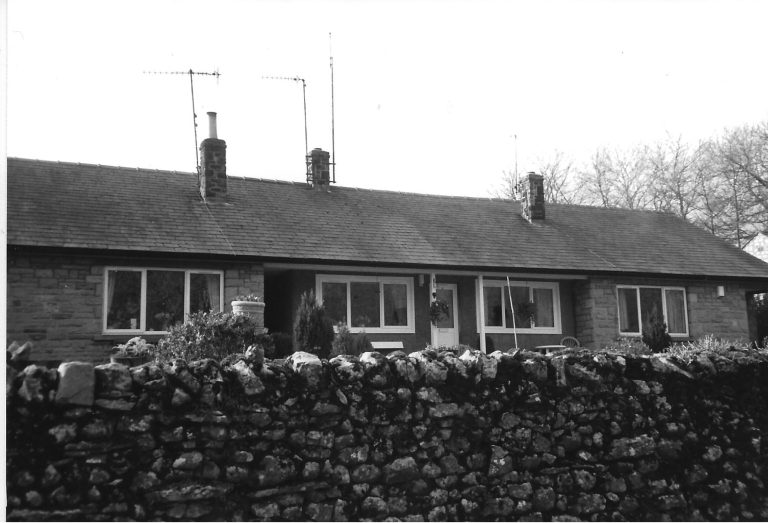 | 3, 4 & 5 Cove Road These are three adjoining stone built, single storey dwellings built in 1965 by Robinsons of Hellifield for Settle Rural District Council. They were refurbished in 1994. They were built on the former garden of 2 Cove Road and land belonging to Prior Hall. |
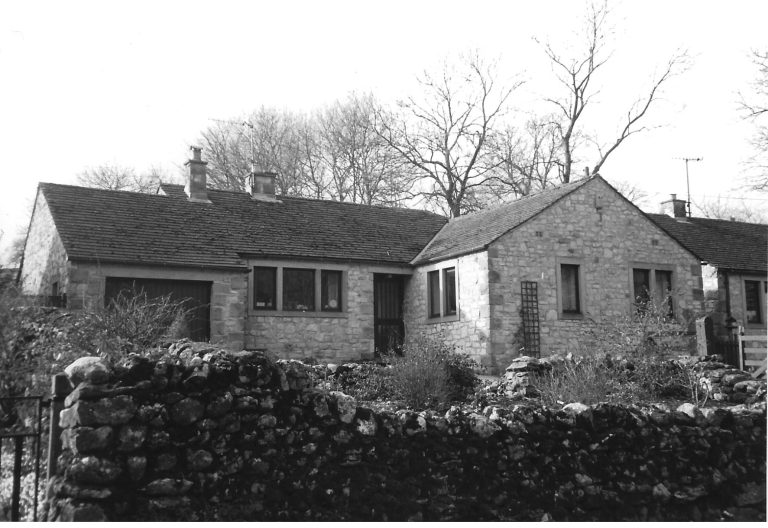 | 6 Cove Road This is a bungalow built in stone by Ronnie Windle of Gargrave in 1984/5. The site had planning permission for several years before the house was built. On completion the house was left empty for several years before it was finally sold. |
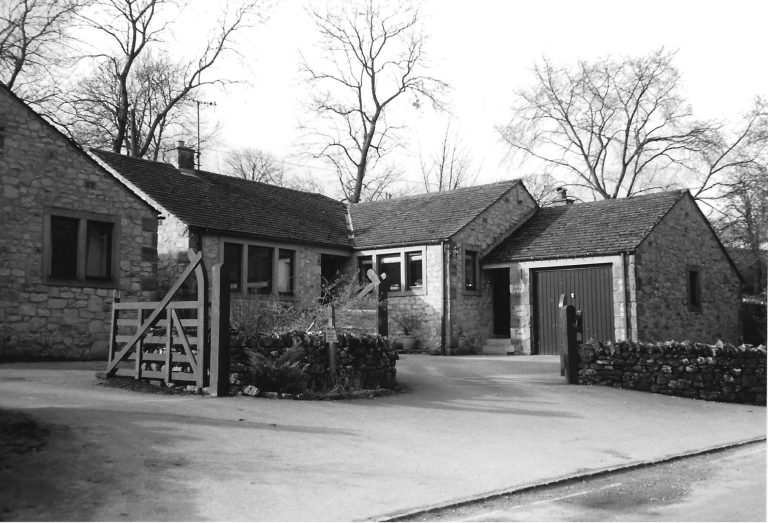 | Laneside, 7 Cove Road Laneside is a stone bungalow built in 1984/5 by Ronnie Windle of Gargrave on a site formerly occupied by the telephone exchange. The bungalow remained empty until 1995 when it was eventually sold. Whilst empty it was burgled twice, having bathroom and kitchen fittings removed |
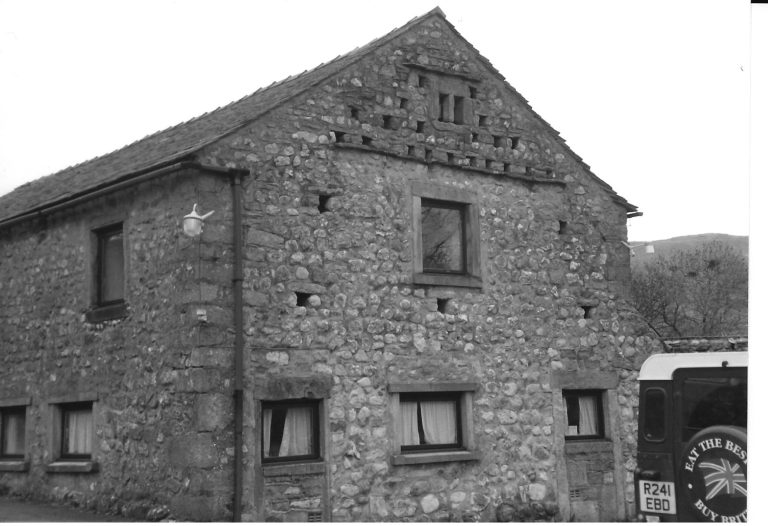 | Hill Top Farm Bunk Barn The Bunk Barn was converted in 1986 from a barn belonging to Hill Top Farm. It is now used for sleeping accommodation for walkers, climbers and other holiday makers. |
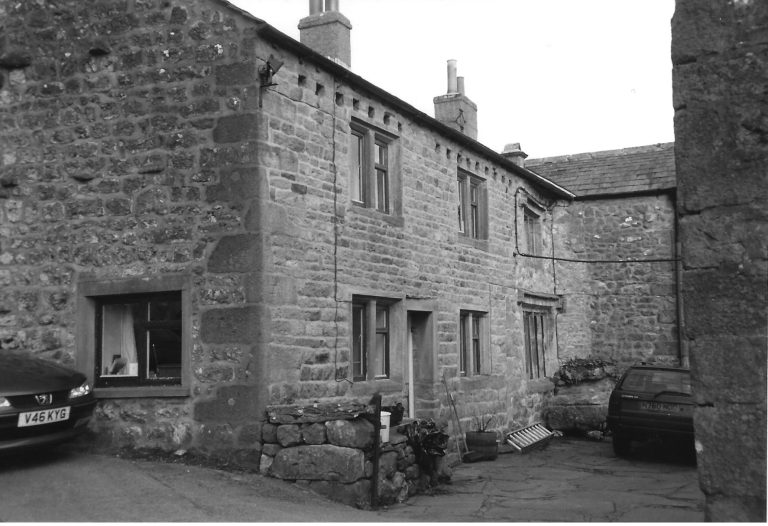 | Hill Top Farm & Hill Top Cottage Hill Top Farm and Cottage were originally one house, which is Grade II listed. The older part has a datestone over the entrance reading William Thomas Preston 1617. It has a two bay 18th century extension to the original 17th century house. It is of stone rubble fill construction with stone slate roof, the extension being of dressed stone. It has mullioned windows and a two storey porch with a dovecote. The date of division is unknown. According to Arthur Raistrick the house was already divided in 1947 with the east end being a separate cottage. The separate cottage was for many years the home of the artist William Shackleton. It is now a holiday cottage. Hill Top Farm was occupied by the Hudson family from 1897 until 1951 when the Heseltine family came from Wensleydale. Then in 1957 Annie Hudson and John Heseltine married, thus joining the two families, and they took over the running of the farm together in 1960. |
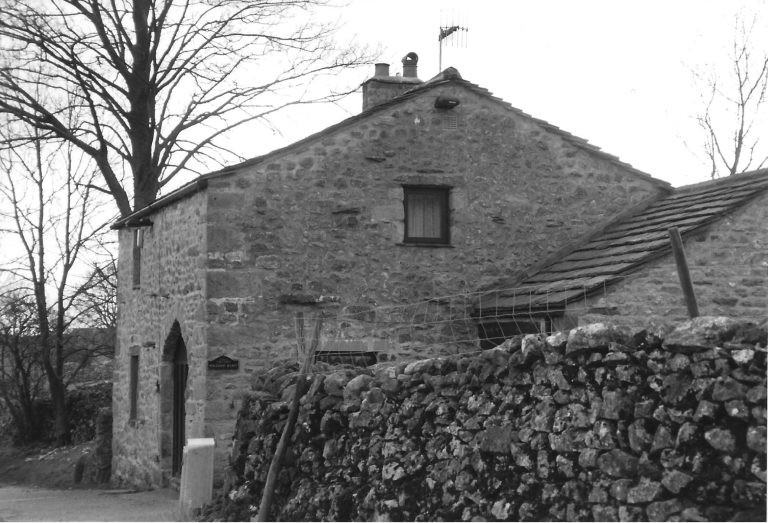 | Pikedaw Barn This property was converted from a barn in 1993 Update 2025 The property is now a holiday cottage. |
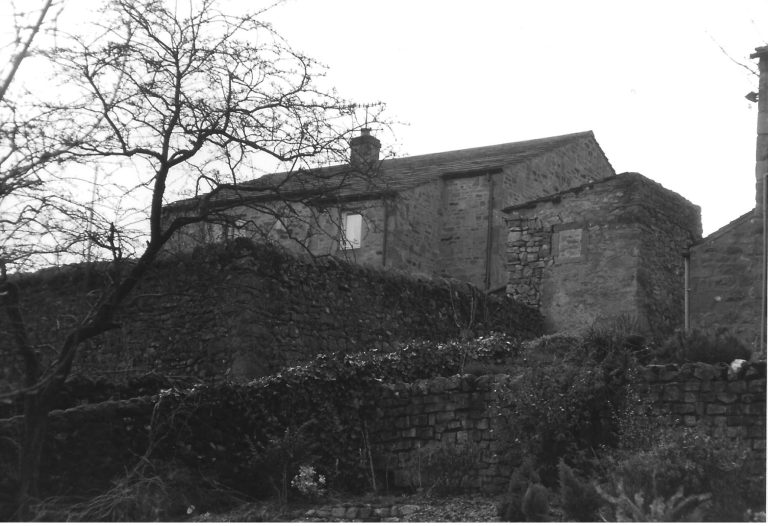 | The Walled Garden, Back Lane The Walled Garden is a detached house faced in stone which was built in 1993. The surrounding wall and garden shelter are Grade II listed and thought to be 18th century. The wall is rubble with 20th century double and single door entrance. The shelter is slobbered rubble and projects beyond the garden wall. It belonged to the owners of Hill Top House who also owned High Barn and High Barn Cottage before the various parts were sold off |
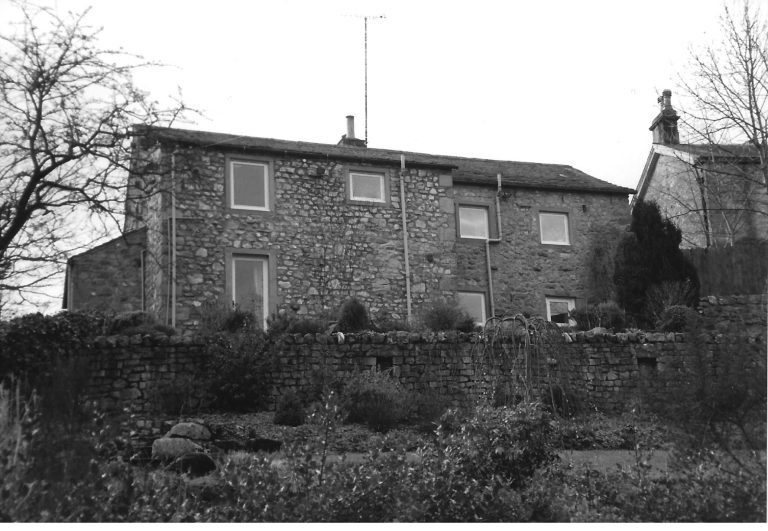 | High Barn High Barn was originally a barn built in 1705 and was converted into a dwelling in 1976. There have been three owners to date. The date stone bears the date 1705 and the initials T L. These initials appear on another barn in Malham. The barn has been known to hold livestock who were led down the adjoining footpath to drink from the beck. Prior to being sold in the 1970s Mr Ted Holmes from High Barn Cottage, opposite the barn, rented it from the Atkinson family from Hill Top House. He used it for personal storage and built two boats there, the largest being twenty six feet long! |
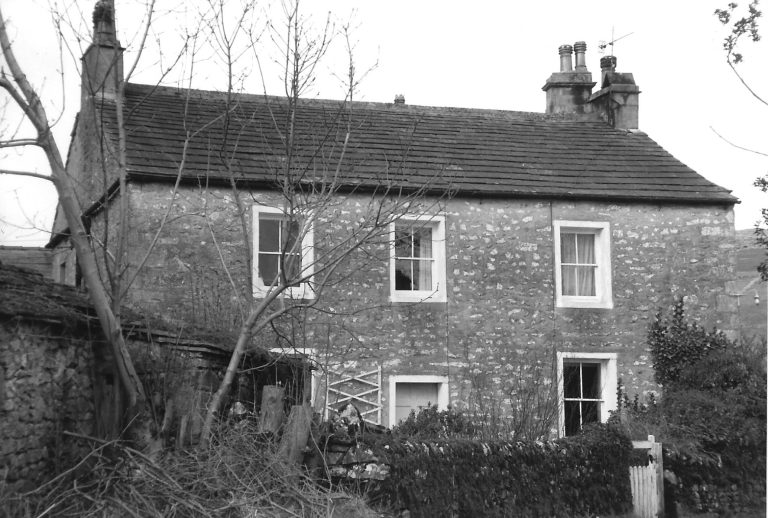 | High Barn Cottage High Barn Cottage is a C18 stone building with extensive 18th century alterations. There is a walled up door at the south front with a datestone 1724 and the initials TL and there are neighbouring barns with similar dates and initials. There are several walled up mullioned windows at the rear and an old fire window in the dairy. Much of the interior woodwork dates from the mid 18th century. There is a three seater earth closet in a stone shed, said to have been associated with the use of the house as a Victorian Dame School. Previous known occupants have been: Helen Neatby, Head of Ackworth Friends’ School. Constance Pearson, the well known artist. Phillipa Holmes, the daughter of Constance Pearson and also a well known artist. Ted Holmes, who was responsible for wiring many houses and buildings in the Dale. |
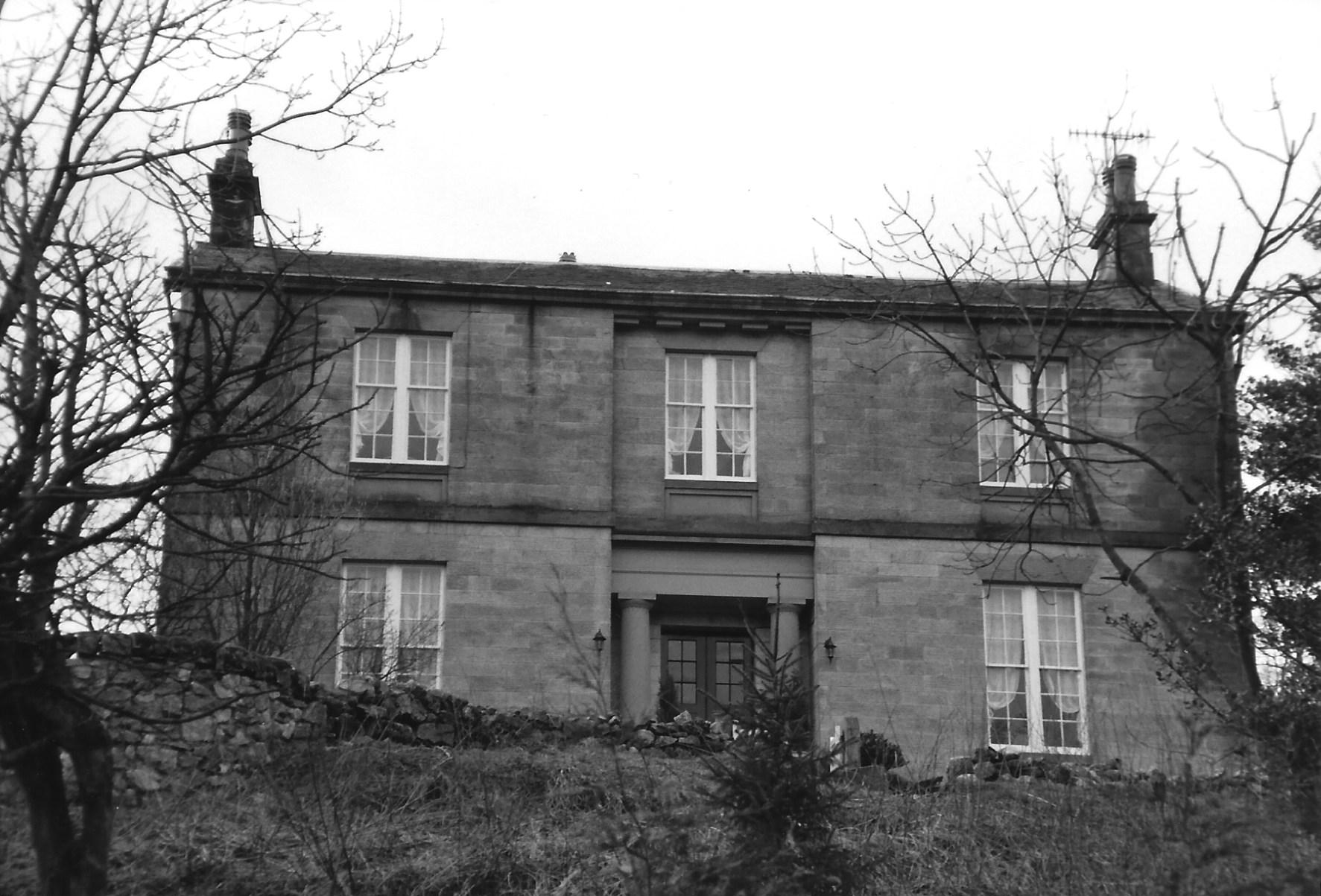 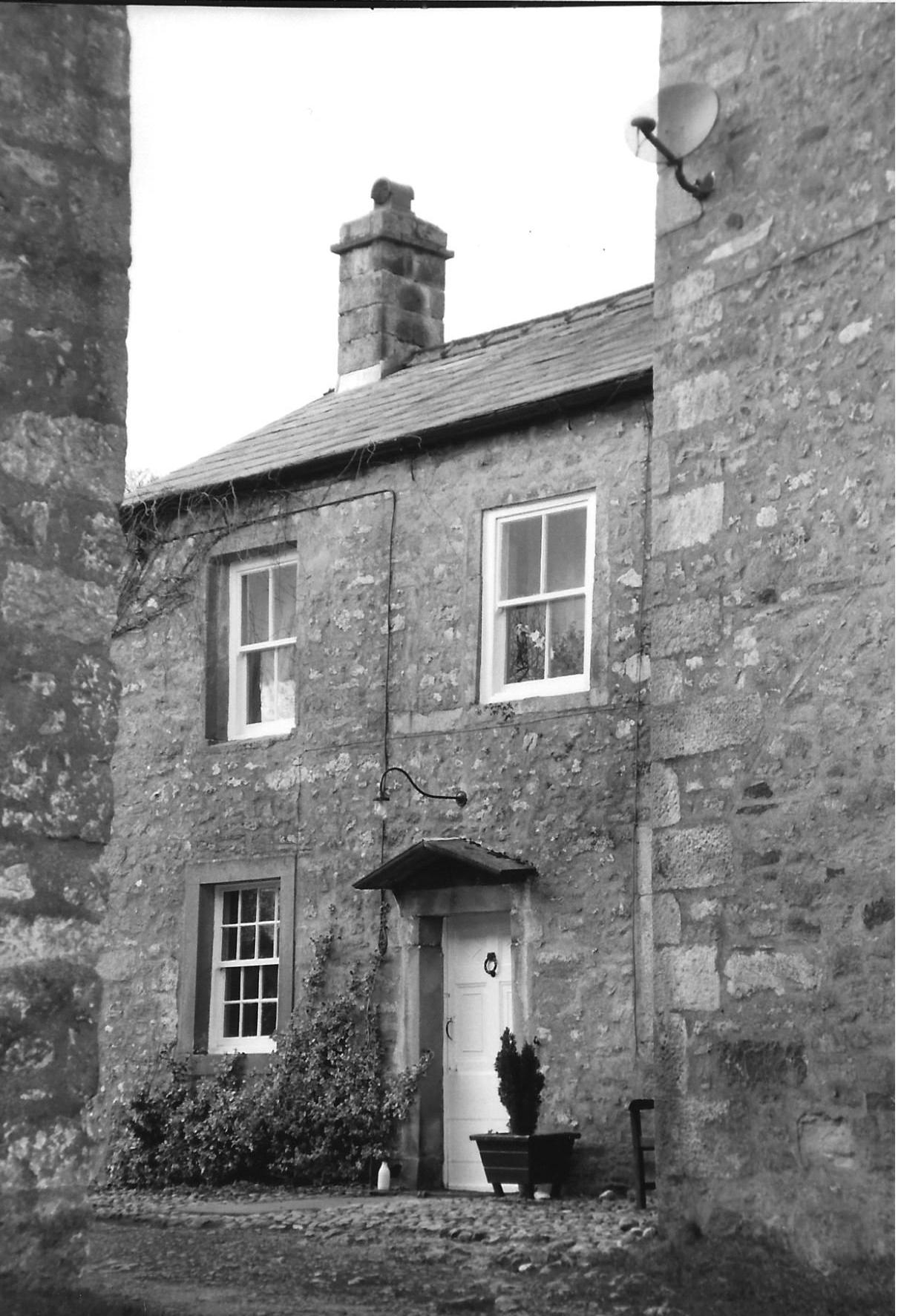 | Hill Top House Hill Top House is Grade II listed. The rear wing is C18 and the front part, built at right angles to the rear wing, was built circa 1830. The rear wing is of slobbered rubble with stone dressings and a stone slate roof. The later addition is of combed sandstone ashlar with stone slate roof. The entrance is Greek revival portico with unfluted Doric columns. Hill Top House was the home of the Atkinson family who owned much property and land in Malham |
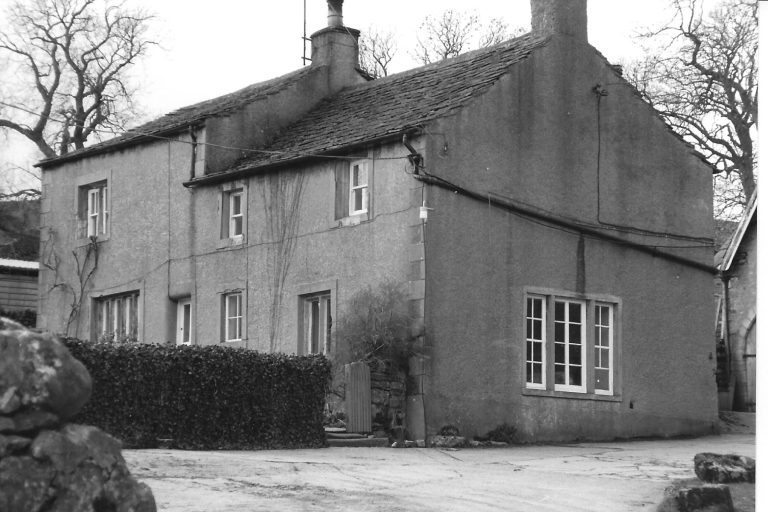 | Town Head Farm Town head farm is a Grade II Listed Building, pebbledashed with stone dressings and a stone slate roof. A former attached barn is now part of the house with a forking hole where a bedroom now is. It dates from the late 17th century with later additions. The property originally belonged to Walter Morrison. It was occupied by the Hudson family from 1935. Prior to 1947 there was a set pan in the kitchen and a black fireplace in the living room. The windows in the bedrooms are unusual. They are like sash windows but there are no sash cords. The bottom half of each window can be lifted out, or propped open with a plank of wood. The mullioned window in the living room is original, glazed directly into the stone. There are two stone steps between two levels. |
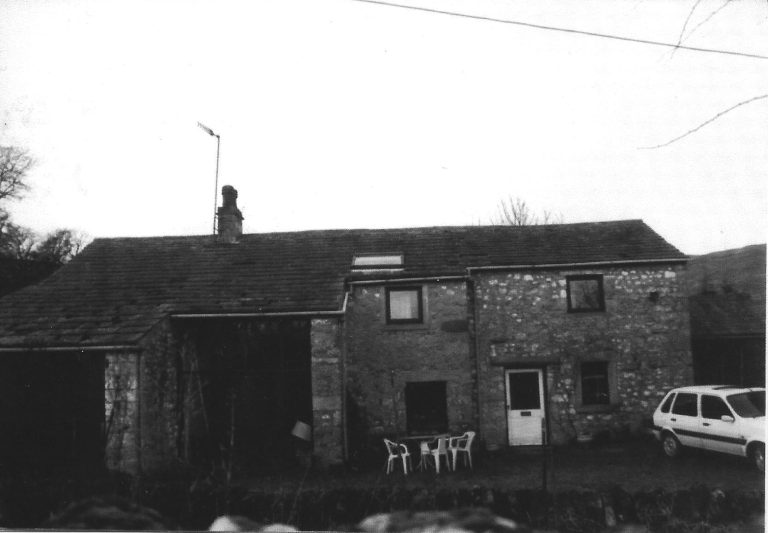 | Hill Top Barn This was a traditional three bay barn and shippon, probably dating from the 17th century, to which had been added a stable, possibly in the late 18th century. It was converted by Maurice Blades in 1976 for George and Christine Langrish. The last known owners were the Atkinson sisters, daughters of Henry Atkinson whose surname was changed to inherit the property. The barn was part of the curtilage of Hill Top House, which in turn had been a ‘long house’ and had a new front wing added possibly 1820-1840. A large stone drinking trough was built into the rear of the barn, accessible from inside and out. In the base of the stable window, Georgian small paned, were found a fitted box containing a groom’s brush and curry comb, relics of the last horses to be stabled there, possibly in 1914. The owner wonders if the horses may have been taken for the war |
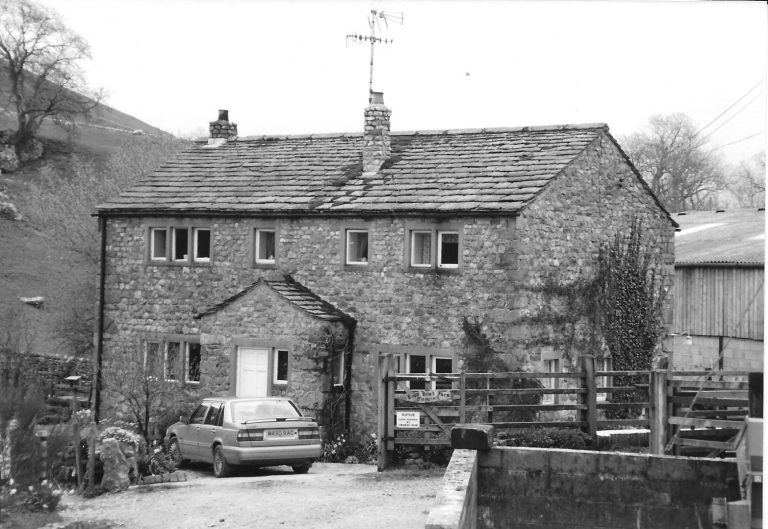 | Riverside, Town Head Farm Riverside was built in 1980 by Norman Eastwood of Horton in Ribblesdale. The stone and slates for the house were taken from a barn up the lane at Malham. |
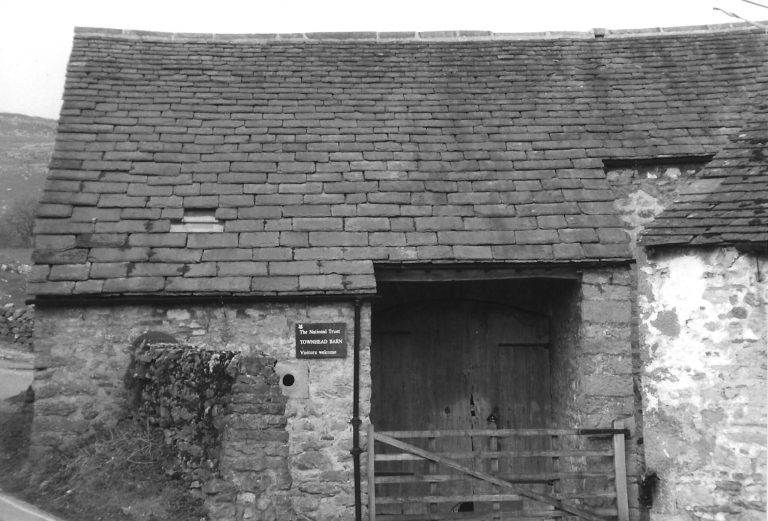 | Town Head Barn, National Trust Barn Town Head Barn is a Grade II llisted building from C18. It is of rubble construction with a stone slate roof. It was bought by the National Trust in 1997 and opened to visitors. It shows the interior of a traditional Dales barn with an exhibition of farming practices through the years relating to the Cove fields. It was officially opened by Lord Healey in June 1997. Update 2025: The barn closed to the public due to the Covid 19 pandemic and has not as yet re-opened. |
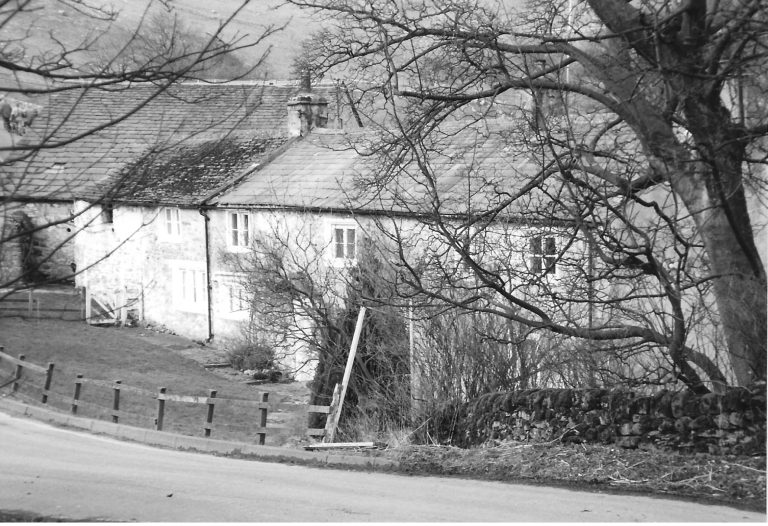 | Town Head Town Head is a Grade II Listed Building. It is a traditional Dales farmhouse and former stable with a hay loft over which is now part of the house. It is early C17, constructed of limewashed rubble with stone dressings and stone slate roof |
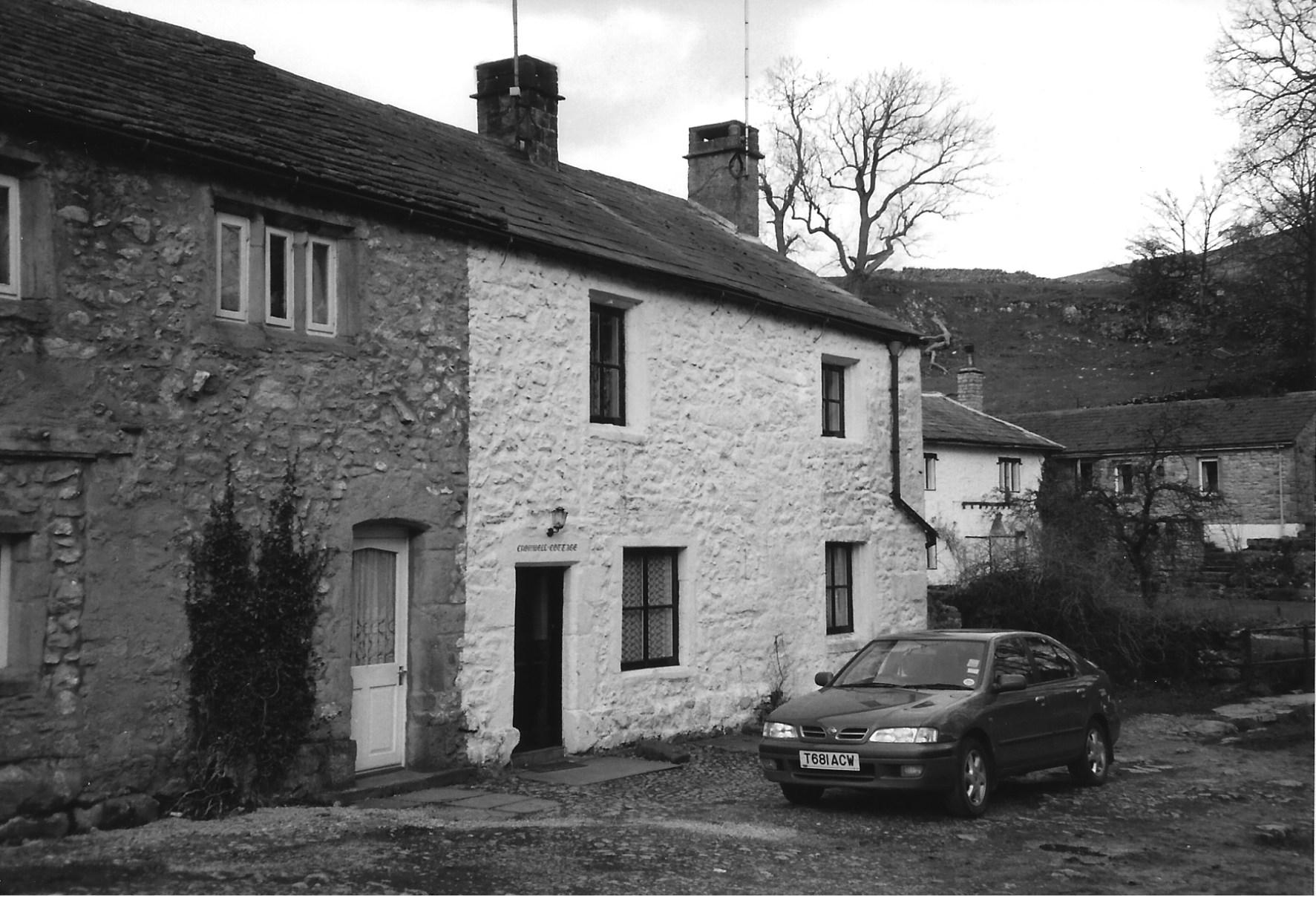
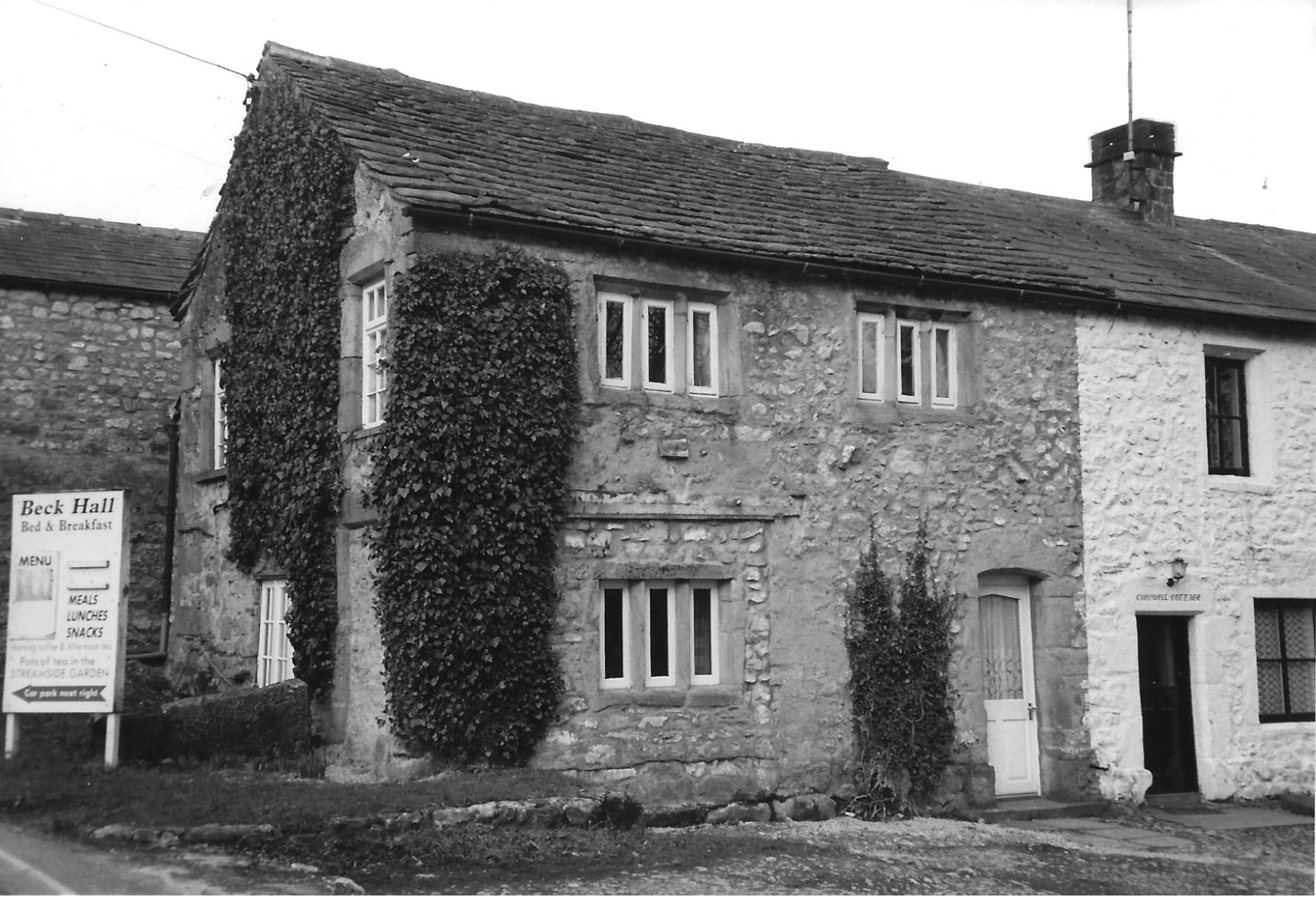 | Cromwell Cottages Little is known of the history of these cottages but there is a datestone above the upper window facing the road showing R I B 1718. The property belonged to the Atkinson estate until the late 1940s. The building on the left was a barn and was converted to its present form in 1979. It carries a datestone A B 1979 above the other gable window |
 | |
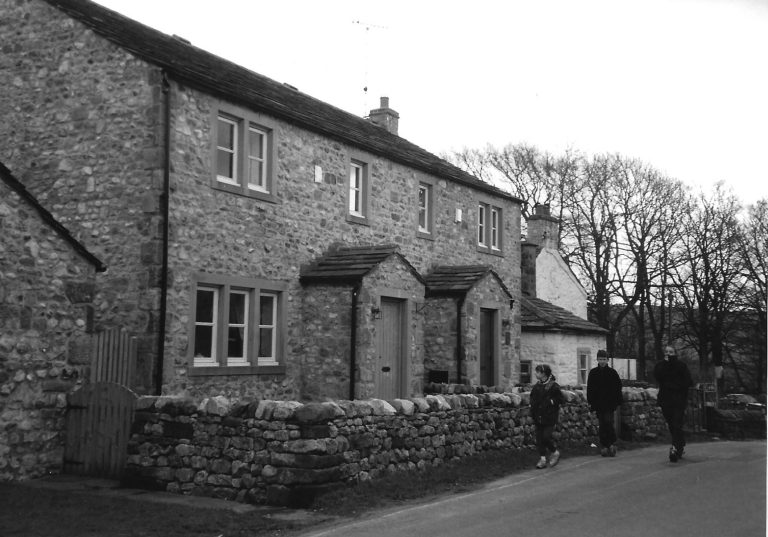 | Woodside Cottage, Cove Road Woodside Cottage is one of a pair of stone built semi-detached cottages built by Richardson Construction (Northern) Ltd. in 1998. Woodside Cottage is on the north side. The site was sold to Richardson Construction by R. and D. Ingham, Malham, in 1997. Prior to this, there had been a tea room on the site and also outbuildings consisting of pig styes, yards and coal houses belonging to South View. The tea room replaced a covered area used by cyclists and was a brick building built in 1947 for Jack and Annie Barrett of South View, and was itself used mainly by cyclists until 1964. Whist drives were held in the tea room in aid of the Malham Village Hall Fund |
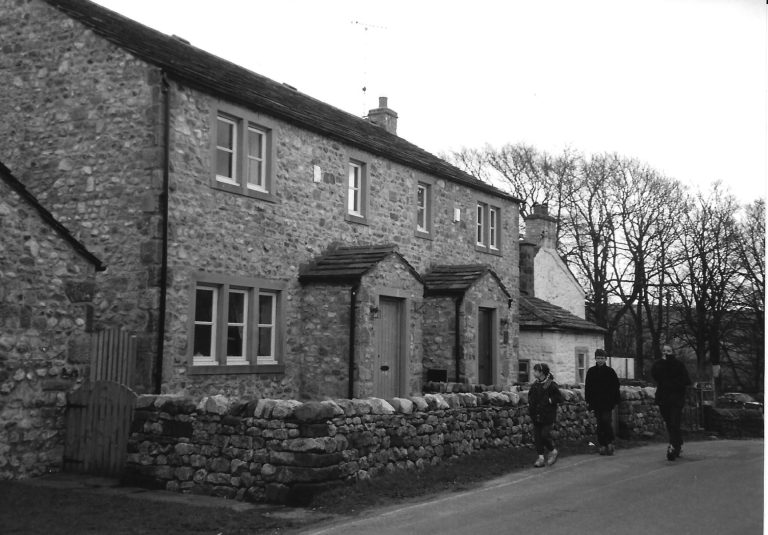 | Waterside Cottage, Cove Road Waterside Cottage is one of a pair of stone built semi-detached cottages built by Richardson Construction (Northern) Ltd. in 1998. Waterside Cottage is on the south side. The site was sold to Richardson Construction by R. and D. Ingham, Malham, in 1997. Prior to this, there had been a tea room on the site and also outbuildings consisting of pig styes, yards and coal houses belonging to South View. The tea room replaced a covered area used by cyclists and was a brick building built in 1947 for Jack and Annie Barrett of South View, and was itself used mainly by cyclists until 1964. Whist drives were held in the tea room in aid of the Malham Villallage Hall fund |
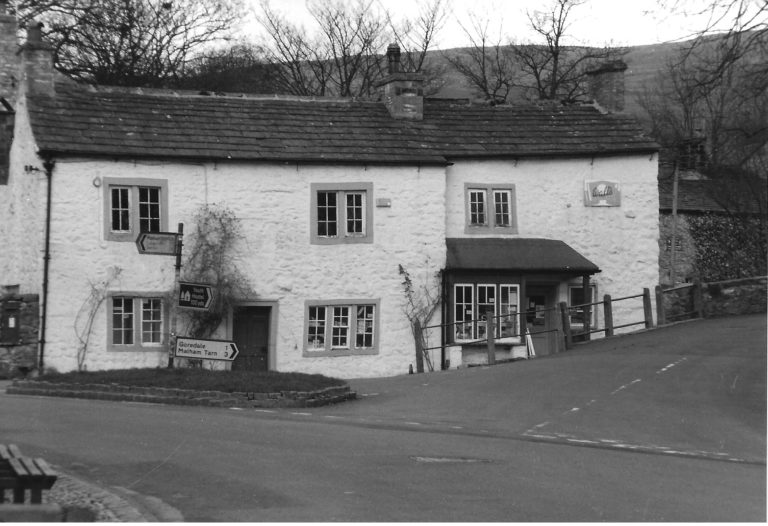 | South View and Post Office South View and Post Office is a stone built 17th century building which was given Grade II listed status in September 1988. It belonged to the estate of Walter Morrison and was sold by auction at the Buck Hotel on Friday 21st July 1922 and was bought by Mr S. Wray. Henry Wray, Norman Wray and Eleanor Wray sold to John and Annie Barrett on March 29th 1943, who sold to William Hardacre in 1950 and finally to the present owners the Ingham family in 1955. The post office was transferred from New Row to South View in 1953 and it is there at the present time. Part of the building was used for catering until 1965. Electricity was installed in 1933 and the building was re-roofed and the chimney rebuilt in 1994. Some land and outbuildings to the rear of the property were sold to Richardson Construction (Northern) Ltd. in 1997 when Woodside Cottage and Waterside Cottage were built. South View was used in the early 1950s along with Tarn House, for the filming of ‘Another Man’s Poison’ starring Bette Davis and Gary Merrill. Update 2025 The Post Office business closed in 2019, full re-roofing completed 2023. |
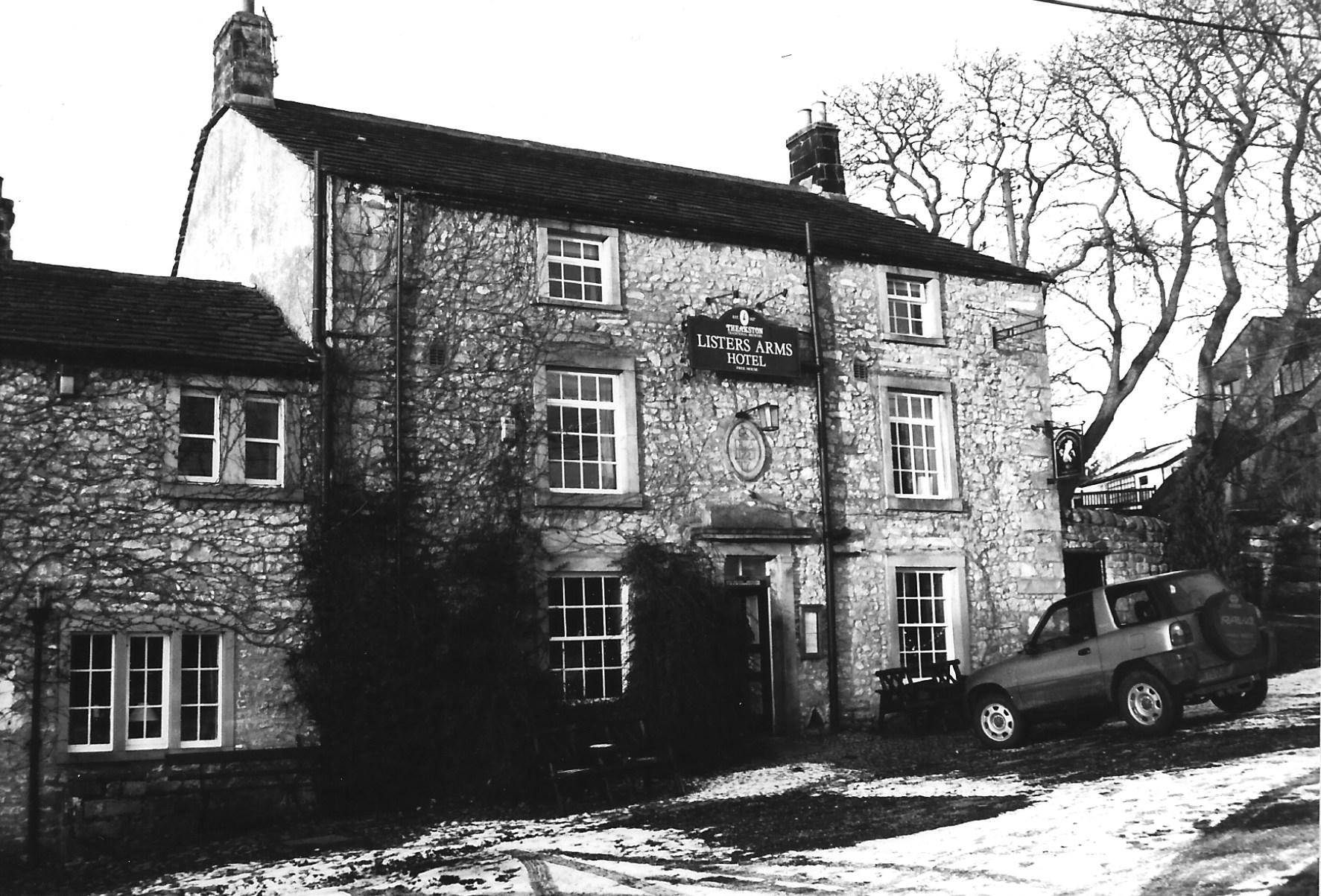 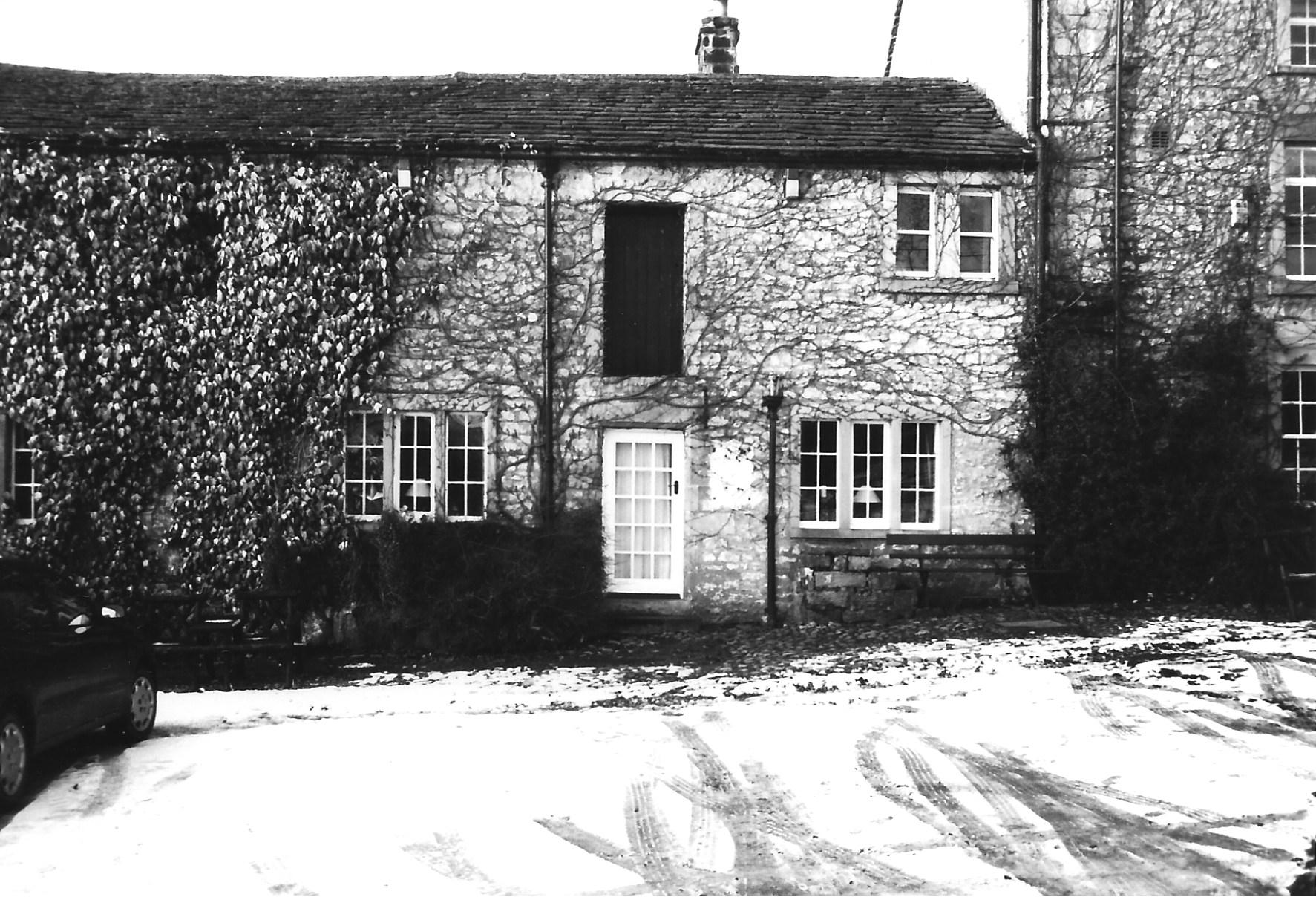 | The Lister Arms Hotel The Listers Arms dates from 1723 showing initials R A 1723 and a wine glass in an oval over the front door. There is a date of P I B 1702 on an outbuilding at the back, reputed to have come from the Buck Inn which was demolished in the 19th century. It was heightened and re-windowed in the early 19th century and is a Grade II Listed Building. Around 1760, the Inn was called ‘Dixons’. The Lister name is that of Thomas Lister, Lord Ribblesdale of Gisburn Park, who was the owner of much property in the area in the 19th century |
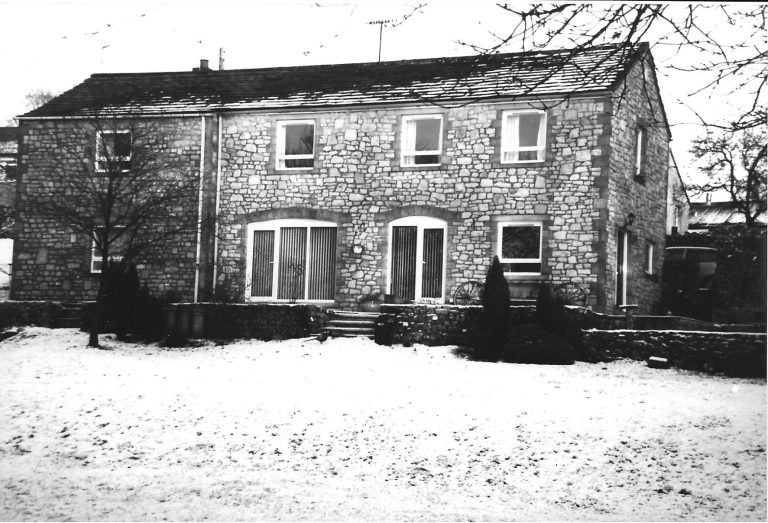 | Listerhill Listerhill is a stone detached property of split level design with adjoining cottage. It was built on a former croft for Mr and Mrs Hill, the then landlord and landlady of the Listers Arms Hotel. It was built by Danny Deary of Skipton in 1978-80 and was extended in 1992 |
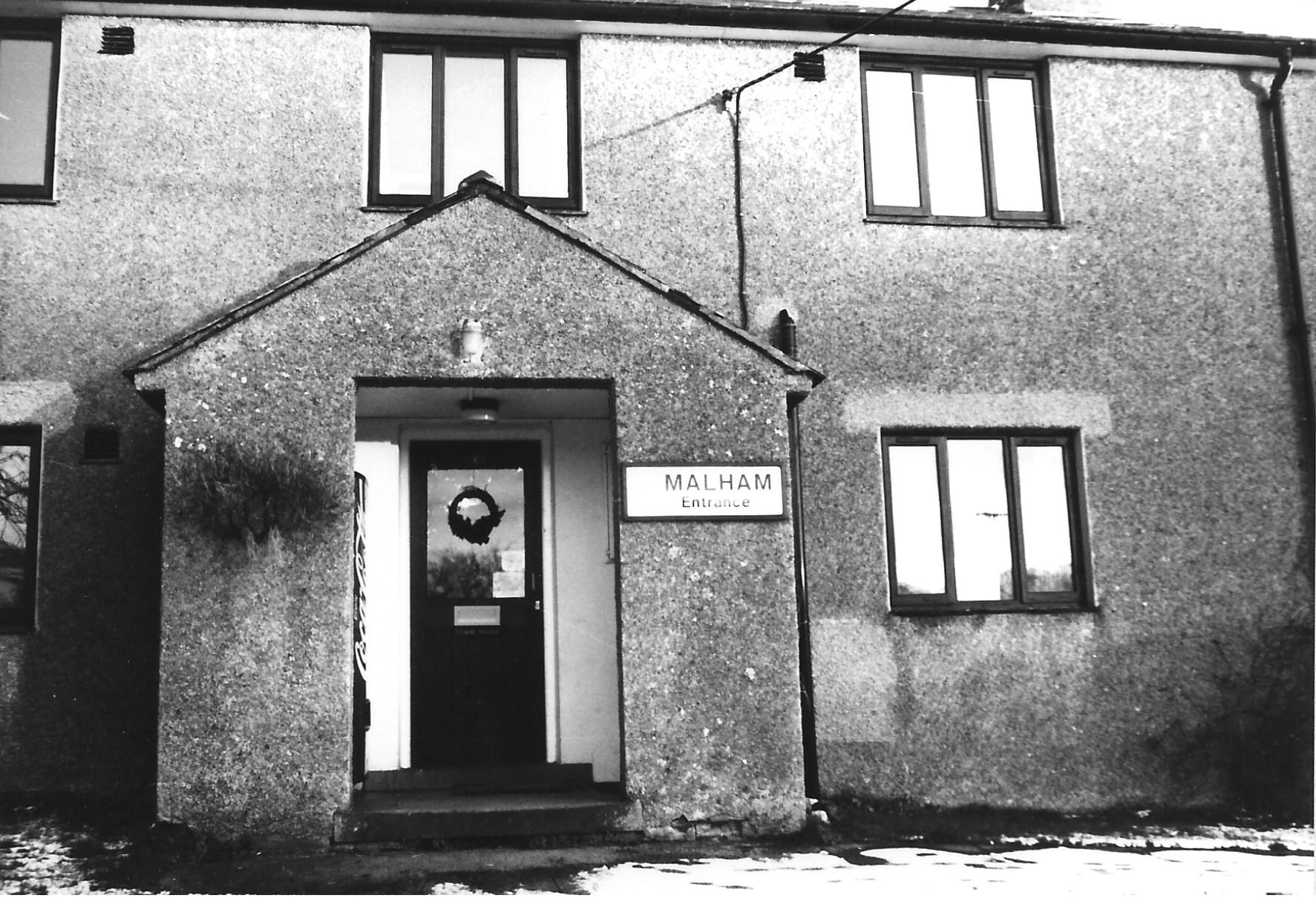 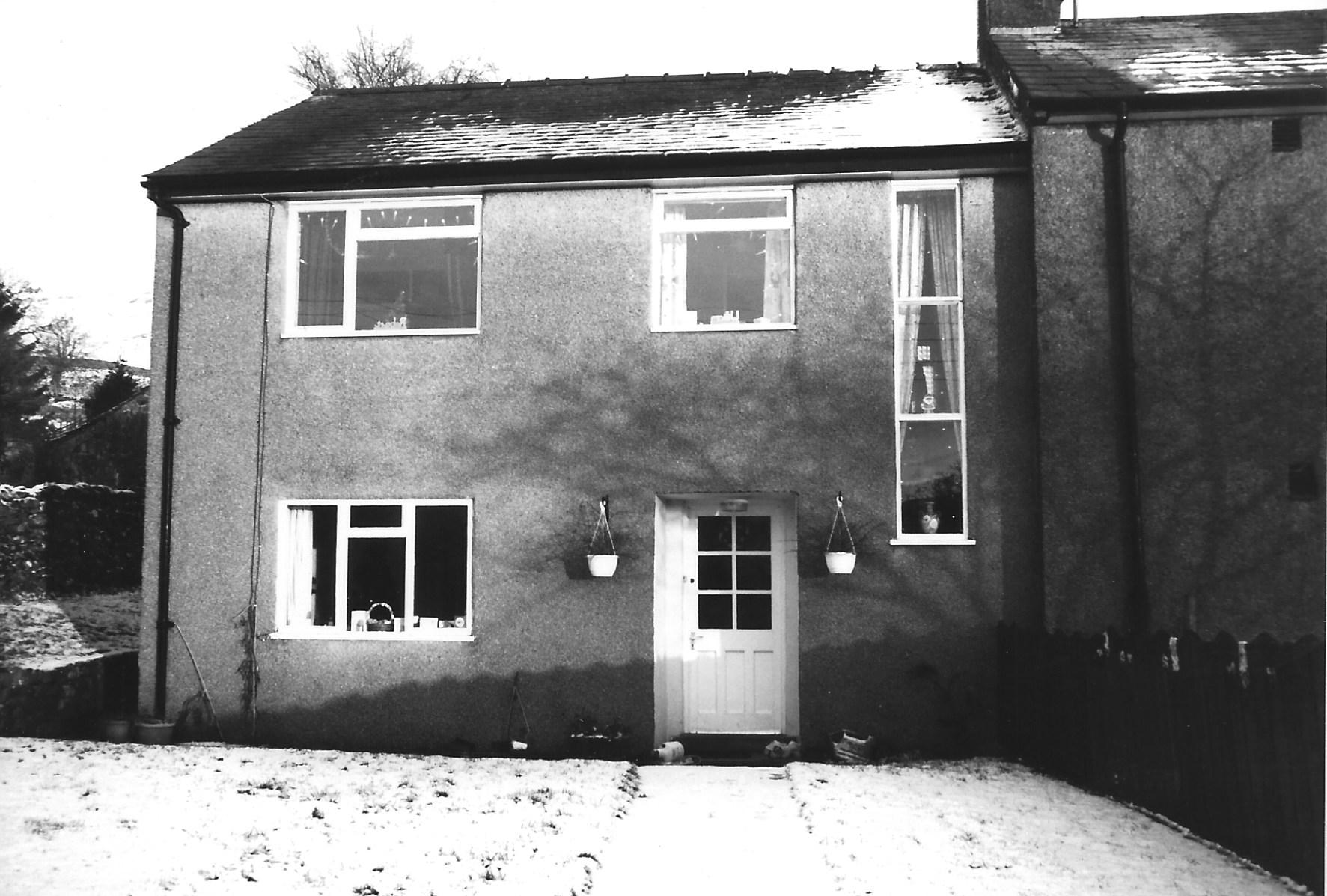 | The Youth Hostel The Youth Hostel was built in 1938. The first wardens were David and Enid Howard |
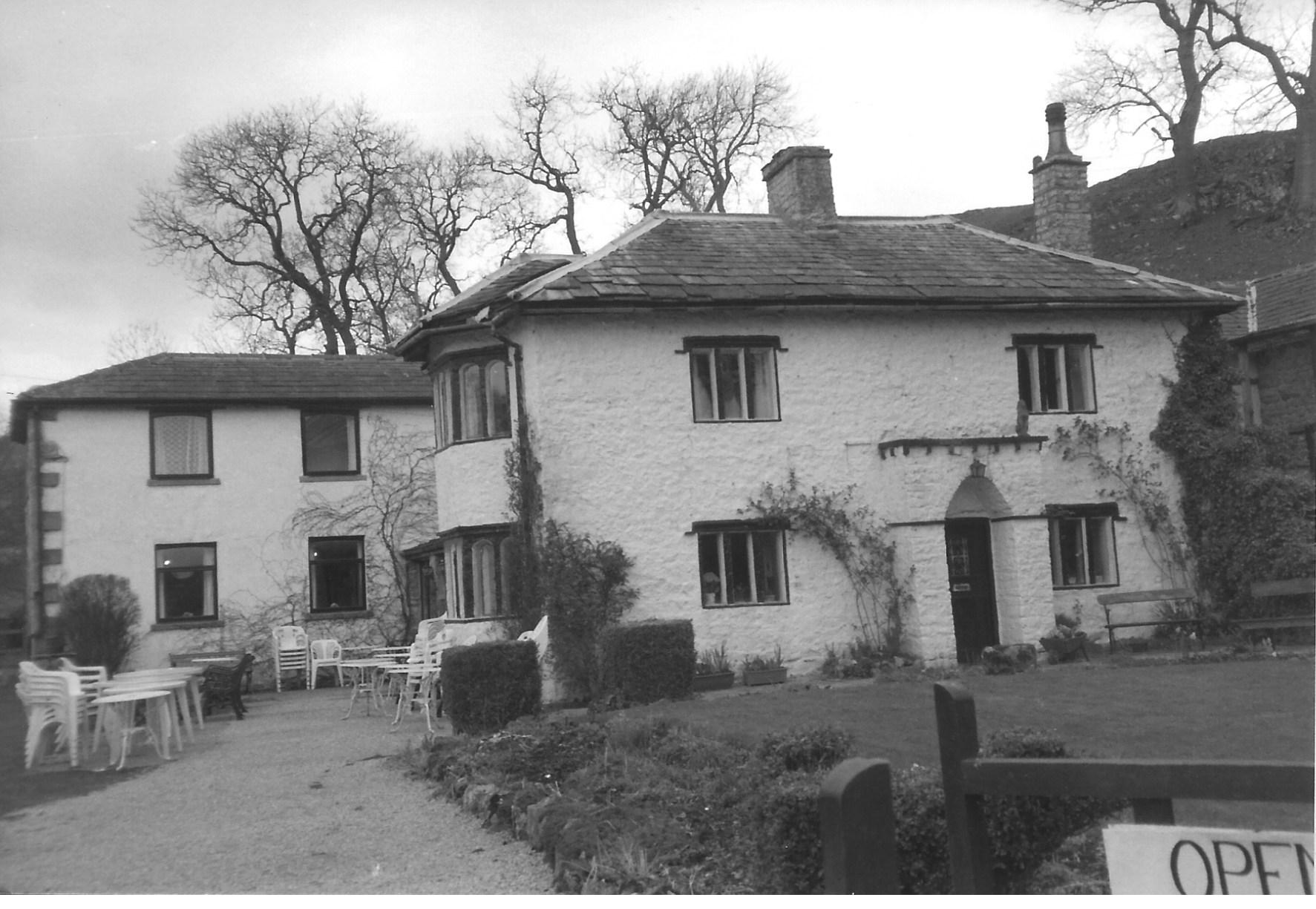 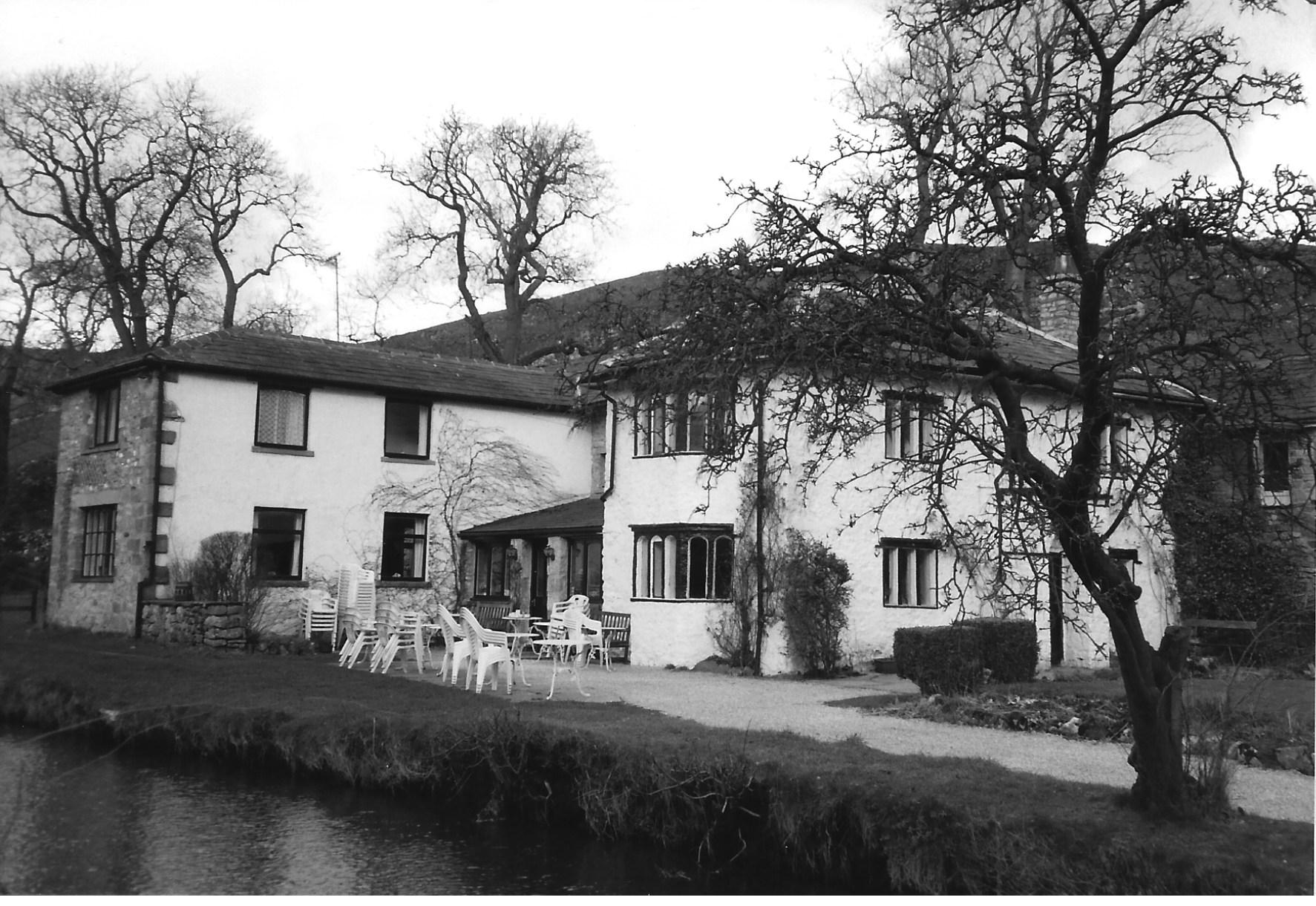 | Beck Hall The origin of Beck Hall seems to be the subject of speculation, because although it stands in East Malham which was the property of Bolton Priory, it is thought to have belonged to the monks of Fountains Abbey, who owned West Malham. Raistrick speculates that while Malham Hall was the principal Grange of Fountains, Beck Hall or Old Hall was their second house, probably the residence of the farm bailiff or other lesser officials. The windows in the present buildings were enlarged in the late 18th or early 19th century. It is said to have been the Dower House of Malham Tarn House for some time. Today Beck Hall is used as a hotel. Addendum 2025: A new glass-fronted dining room was added facing the river in 2019. Beck Hall Hotel became famous in some circles for being the first fully vegan hotel in England in 2022. |
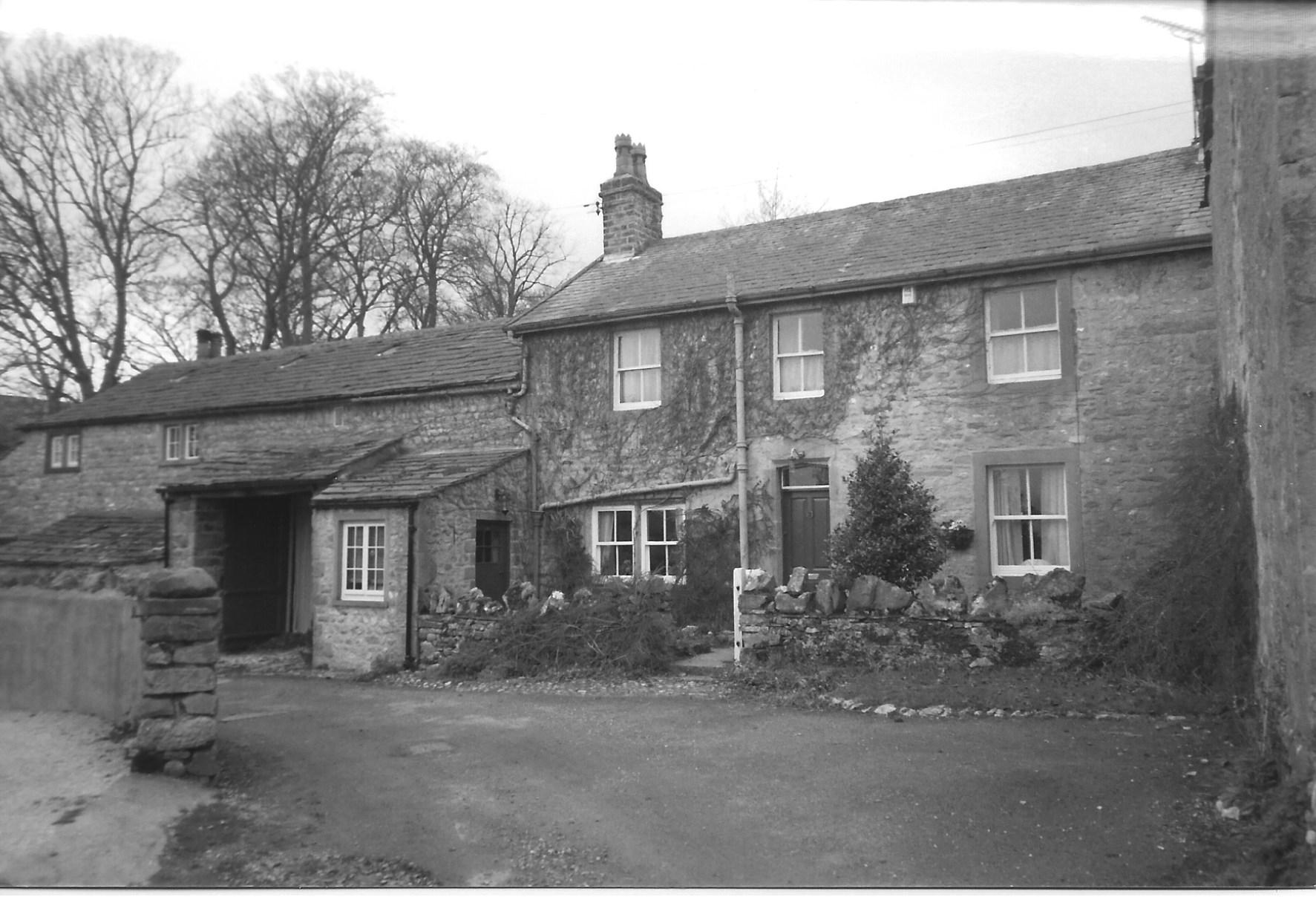 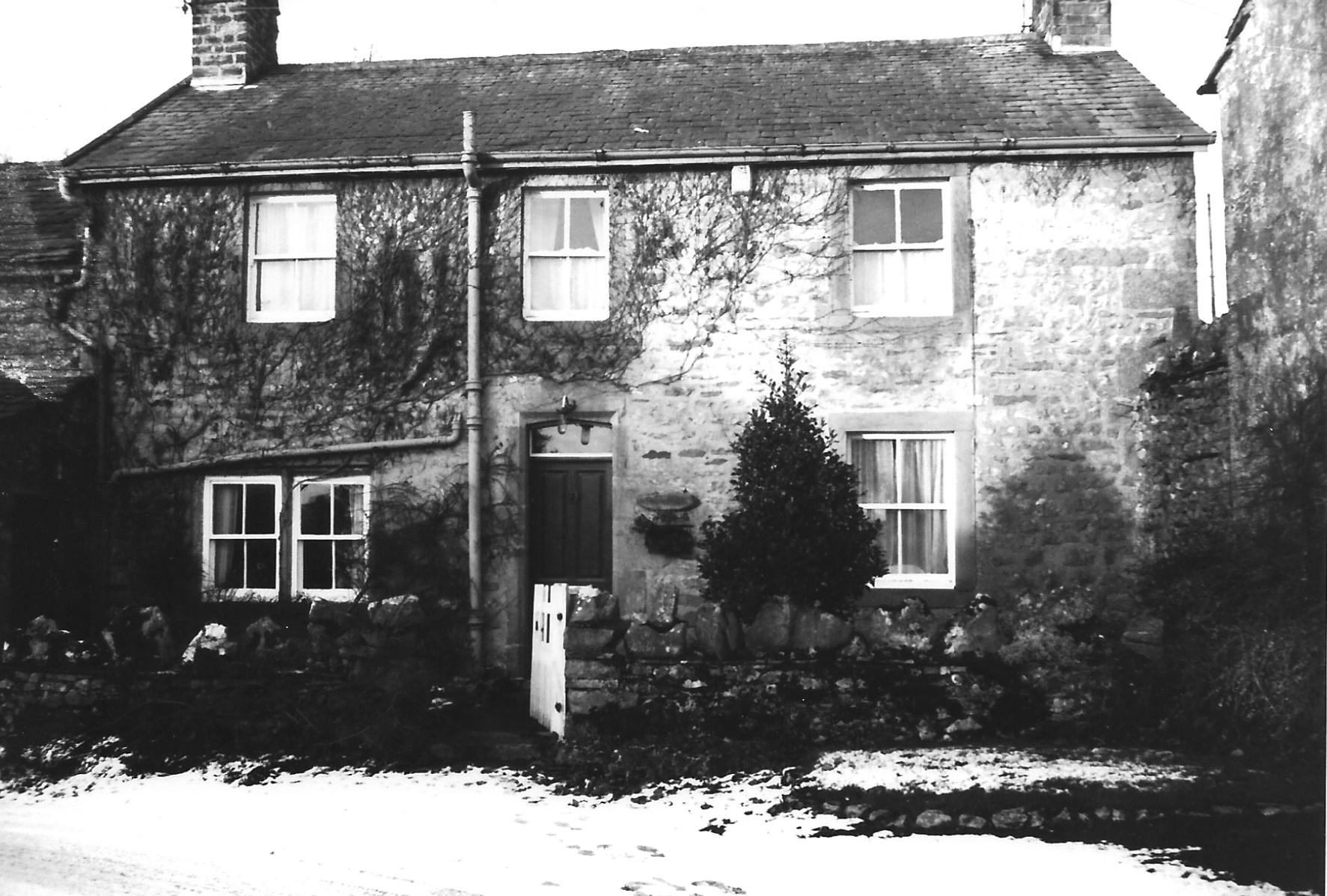 | Prior Hall Prior hall was one of the most important buildings in Malham from the 11th to the 14th century. At that time Malham was divided by the beck, Bolton Priory owning the eastern side with Prior or Priors Hall as its main dwelling, and Fountains Abbey owning the land and property west of the beck with Malham hall as its centre. In the 1600s a stone house was built on the site with a mullioned window in the sitting room, now a dining room, and a good stone porch. Later two rooms were added with stone lintels round the windows but no mullions. There is a two foot thick wall between the present dining room and a dairy, now pantry, which was built at a later date. The dairy has a deep flagged floor and stone and slate banks or shelves. The dining room has the original punch faced inglenook fire surround and stone hearth. The end room, at one time a parlour, has an original exposed stone fire surround and chimney breast with a stone flagged hearth. There is also a very old and attractive window in this east facing room. In living memory there was evidence of a staircase going from the kitchen to the room above. In the early days of the house the Manor Court sat here to sort out any disputes over straying animals and various crimes. The latest alteration was the conversion of a hay barn into a large sitting room with galleried landing and inglenook style fire surround with wood burning stove. This was built by Maurice Blades in the 1990s. The large barn window and original barn doors have been retained as has the door to the rear of the house which was opened to blow away the chaff from the corn through the big barn doors. This was a working farm and there still remains a sheep wash in the garden, a shippon for twelve cows and the original milking parlour where the cooling of the milk took place John Geldard, a previous occupant, was the supplier to the village of milk and eggs and was the second generation to own Prior Hall. Mr Geldard senior rented the house in 1919 from his father-in-law, James Lawson who had bought it from Mr Walker for £570. John Geldard and Margaret Nelson married in 1949 and lived at Prior Hall as tenant farmers to Mr T.H. Geldard, his father. In 1960 John became the owner of Prior Hall. His parents, then living in King House, died in 1971. From 1912, possibly earlier, to the 1940s Prior Hall served as the Malham branch of the Yorkshire Penny Bank. One resident of Malham remembers going in the 1930s and 40s to pay money in to Thomas Geldard. The present owners are Alan and Gillian Cooper, previous owners of Sparth House, now known as River House Hotel. Addendum 2025: The shippon at the western side of the hall was demolished in 2024 and a new residential extension built on the same footprint. A car park for six cars was built in the north western corner of the garden. |
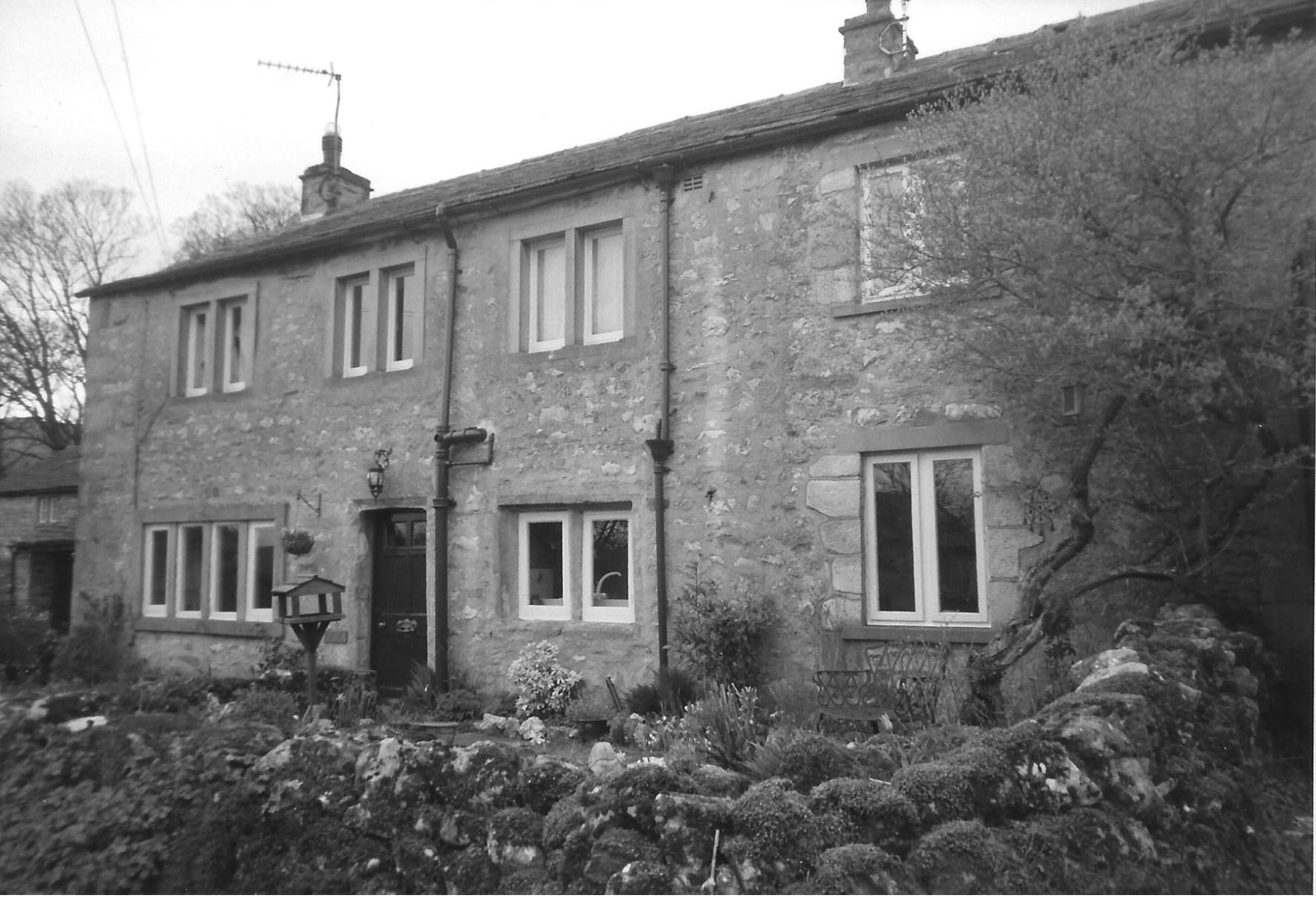 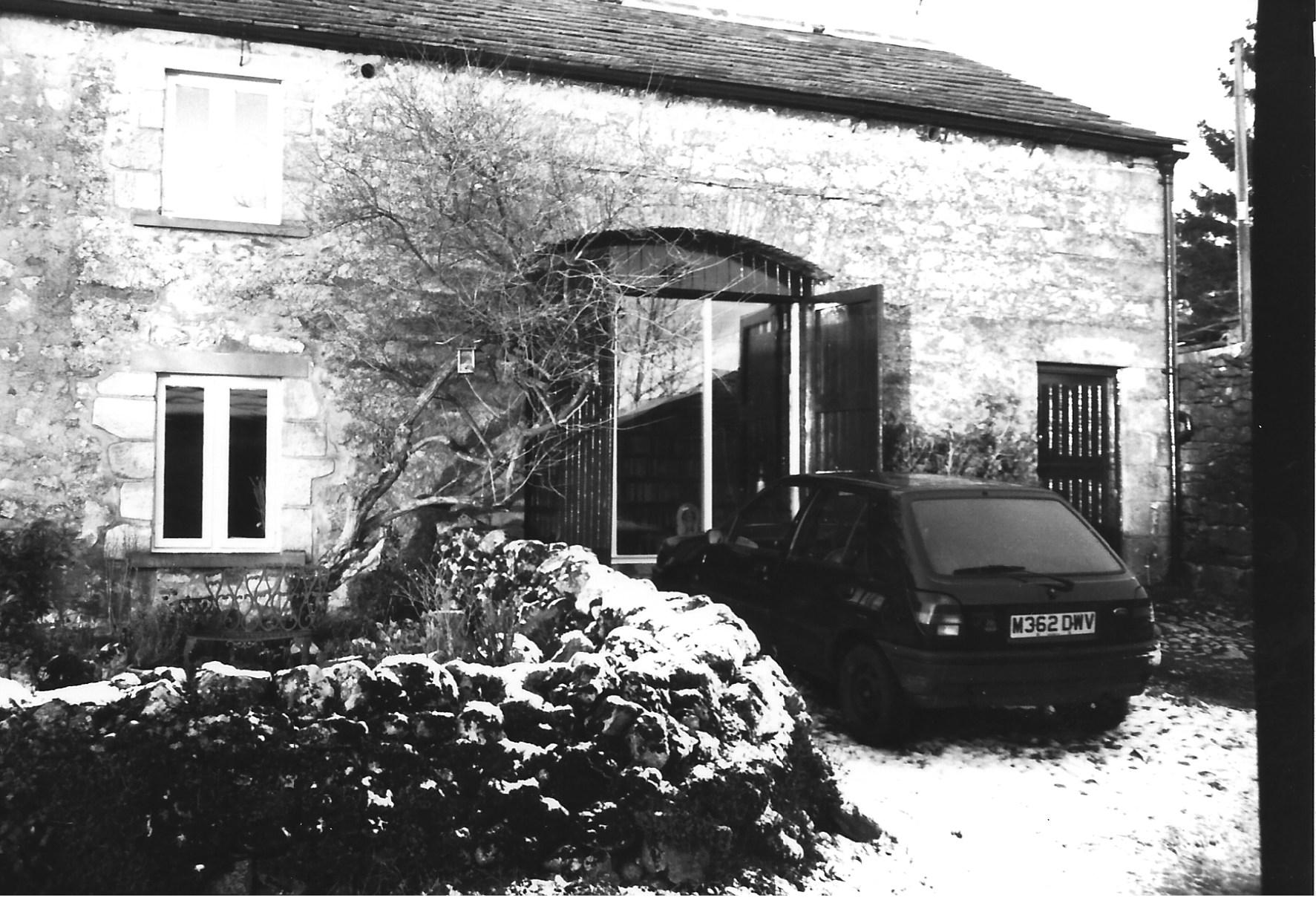 | Priory Cottage. Priory Cottage is a stone built 17th century cottage with stone slate roof and attached barn. There are three original mullioned windows remaining and the original 17th century doorway at the front. The pantry has a stone slab and bleeding hole with ceiling hooks for hanging bacon. In the front garden there is a seat made of a piece of natural limestone supported by an old arched mullion Joan Hassall OBE, the famous wood engraver, lived here. She designed the invitations for the Coronation of our present Queen. The house and barn were re-roofed in 1945 by Maurice Blades as were many other houses in the village about the same time. Note the blue slate tiles near the ridge above the original Yorkshire slates. This was brought about due to wartime shortages of building materials. At the same time Maurice also installed a half round red brick fireplace that had a Rayburn coke burning stove. It is thought that the present owners had this removed in 1998/99 and an older fireplace is thought to have been uncovered. The property was altered in 1990 to include part of the barn into the house. This was the last conversion completed by Maurice Blades who died suddenly, shortly afterwards. Further alterations were undertaken in 1990 and the rest of the barn is now incorporated into the house |
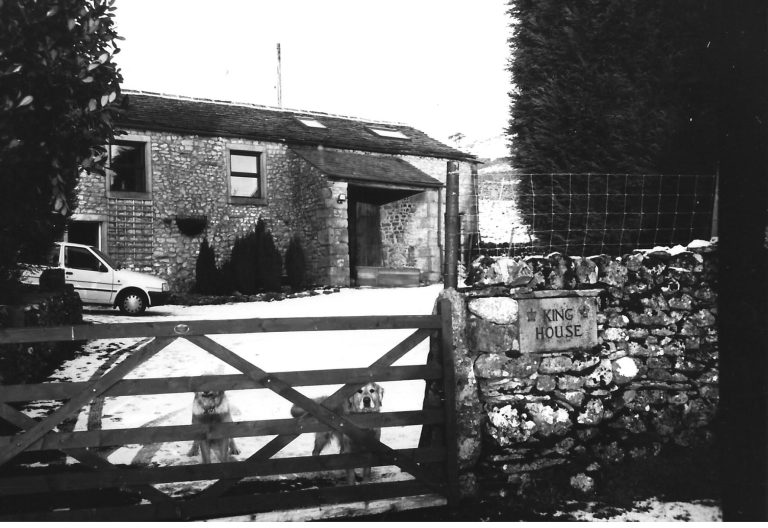 | King House This house was built by the King family, formerly of Middle House, Malham Moor |
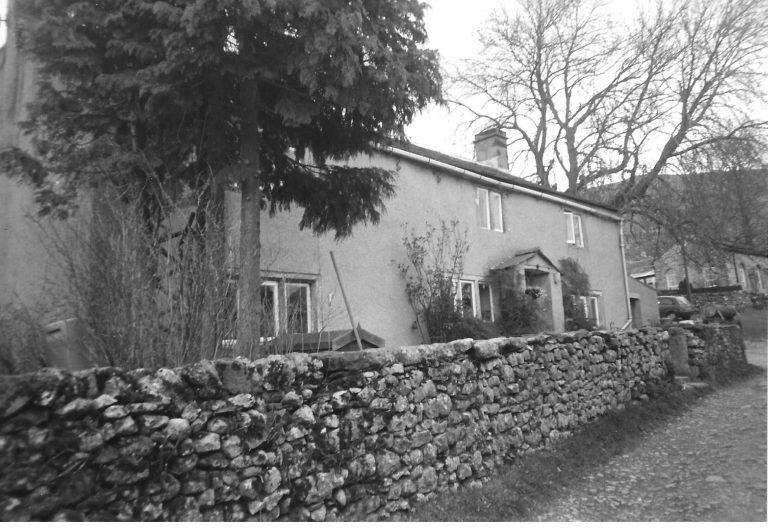 | Priory Farm Priory Farm used to belong to the estate of Miss Atkinson. It is now farmed by the Swinbank family |
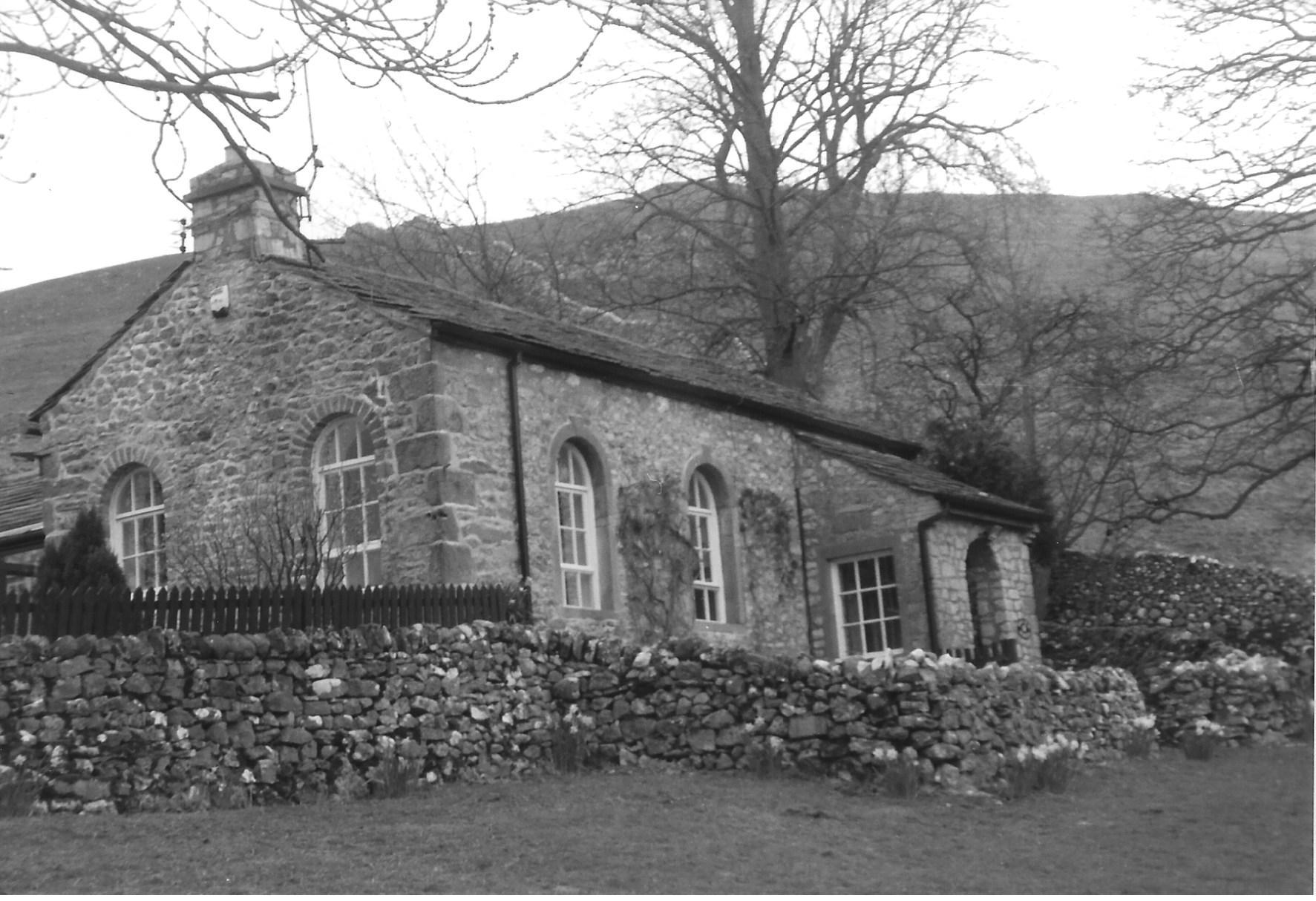 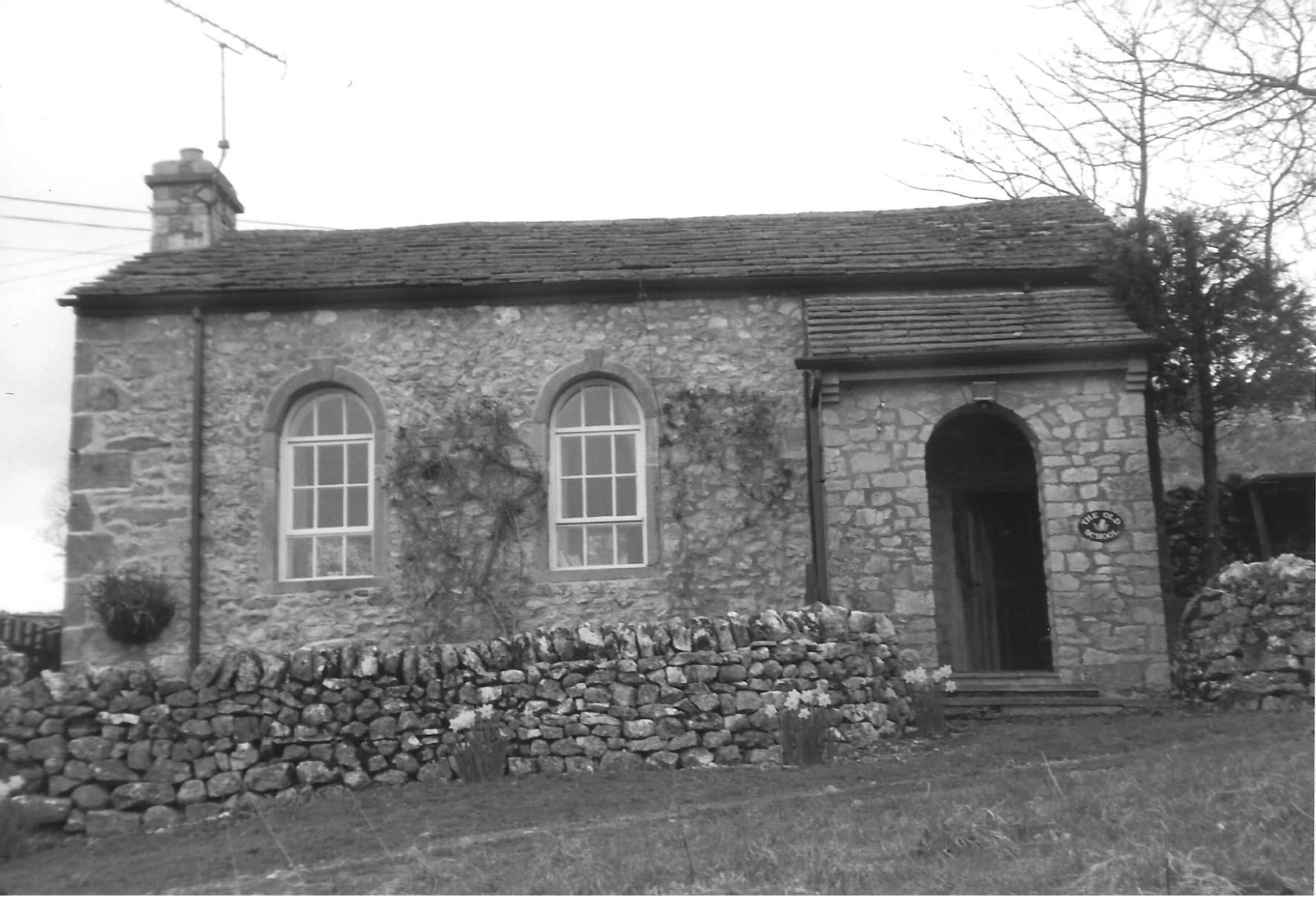 | Old School House The Old School House is a Grade II Listed Building of rubble construction with a stone slate roof. According to the listed buildings survey it dates from the late C18 but with a datestone showing RW RA 1681 which is believed to come from an earlier building on the same site. It has been altered and extended in the C20. However Arthur Raistrick suggests in his book “Malham and Malham Moor” that the building dates from 1717 when Rowland Brayshaw of Malham endowed a school by a gift of lands. |
 | Limecroft, Tarn Road Limecroft was built in 1972-3 by the owner E.L. Smith. It was built on the site of an old quarry used to abstract road repair material prior to the use of tarmac. There had been no permanent building on the site previously but there had been a caravan and the old Malham A.R.P. hut |
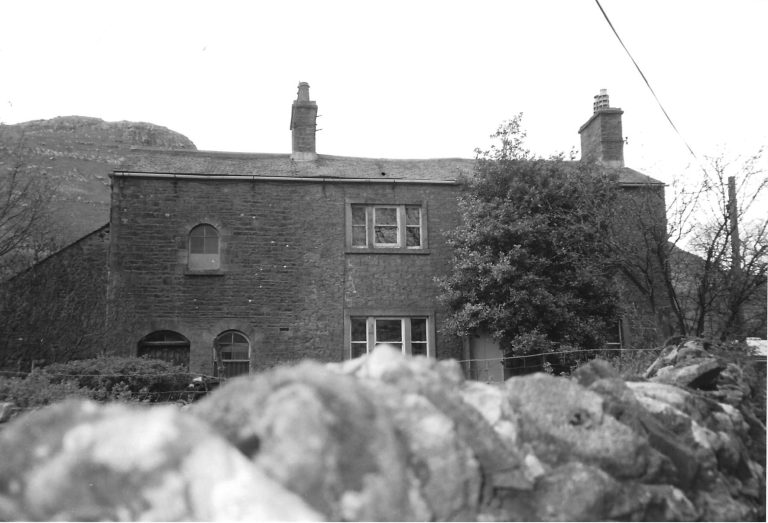 | Gordale House Gordale House used to be the home of the Shackleton family, the forbears of William Shackleton, the artist, who lived and worked at Hill Top Cottage It was sold in 1922 as part of the Walter Morrison estate |
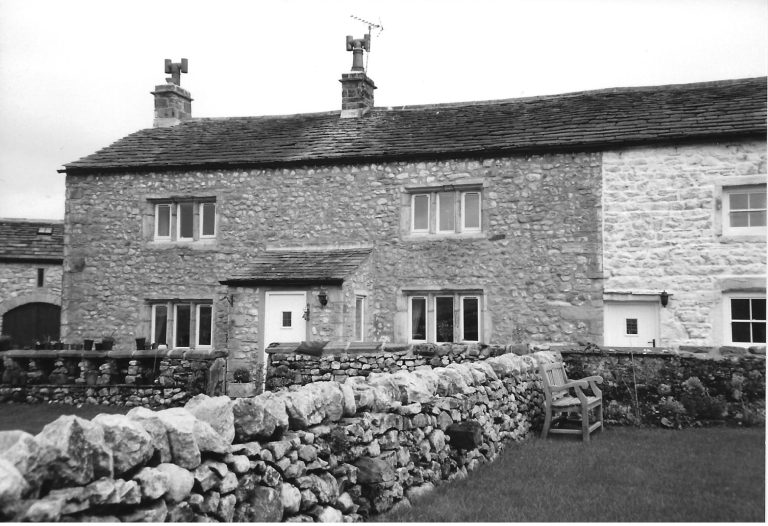 | Friars Garth Friars Garth is a traditional Grade II listed farmhouse which has been converted and split in 1998 to create Friars Garth and the adjoining Friars Garth Cottage. It is of stone construction, rubble filled and with a stone slate roof and mullioned windows. It dates from the 17th century. It was converted in 1998 by Messrs. James Holmes (Yorkshire ) Ltd. Until that date it had been in use as a farmstead by Mr Phillip Harrison |
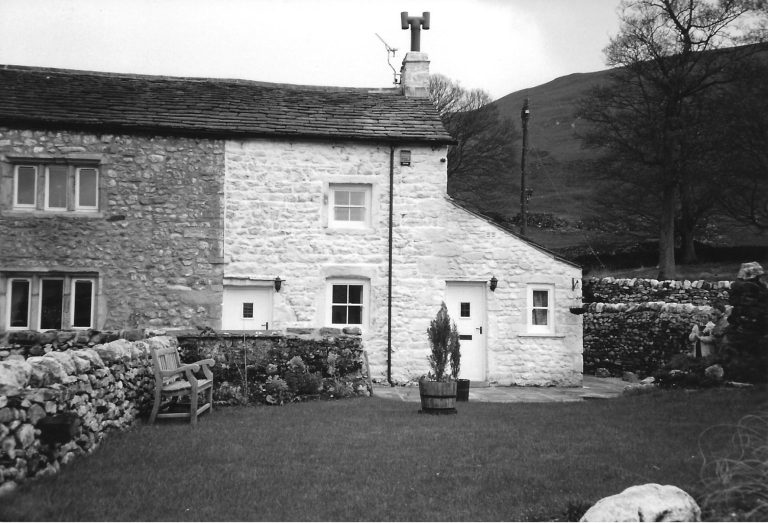 | Friars Garth Cottage Friars Garth Cottage was formed from the 18th century addition to Friars Garth Farmhouse, now Friars Garth. It was converted in 1998 by Messrs. James Holmes (Yorkshire) Ltd. It is a Grade ii listed building of stone construction, rubble filled and with a stone slate roof |
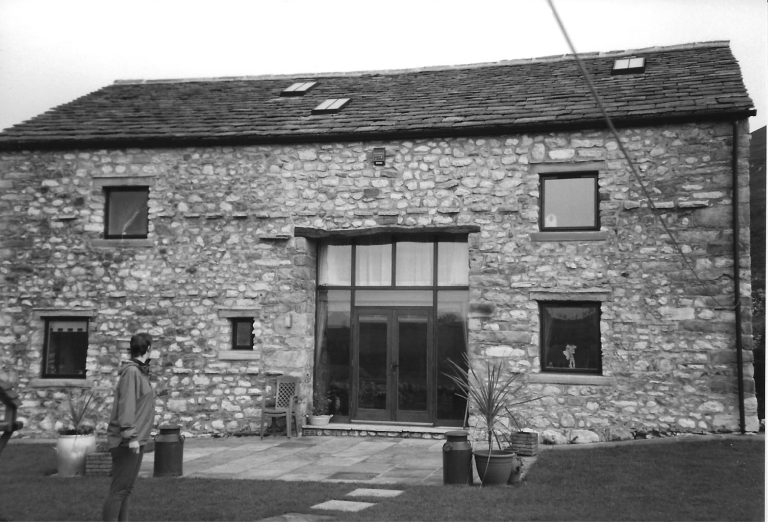 | East Barn, Friars Garth East Barn was converted to a dwelling in 1998 by Messrs. James Holmes (Yorkshire) Ltd. from a barn called High Barn which was part of the Friars Garth Farmstead, owned and farmed by Mr Phillip Harrison. It consisted of two barns linked together |
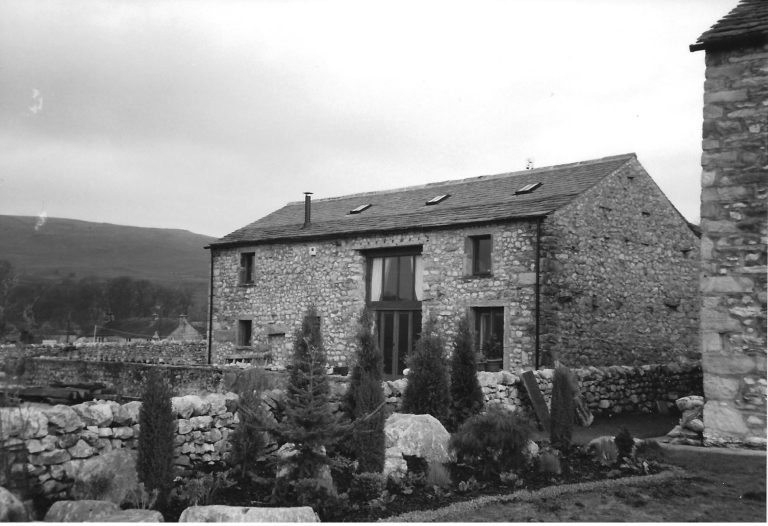 | West Barn, Friars Garth West Barn was converted to a dwelling in 1998 by Dales Contracts Ltd. From two linked barns which formed part of the Friars Garth Farmstead, owned and farmed by Mr Phillip Harrison. The larger barn formerly called Low Barn is believed to be about 200 years old and the smaller one about 300 years old. Between the two barns was a small lean-to containing a three seater earth closet, which was demolished to make room for the present link which is larger. Other more recent structures which were demolished during the conversion include a milking parlour and out buildings, a shippon on the south side of the main barn and other buildings to the west of the main barn |
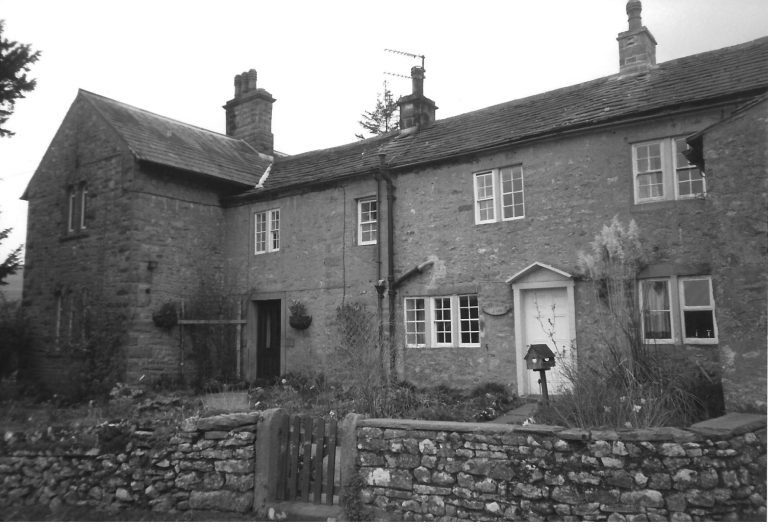 | Cherrie’s Farm The west end of the farmhouse was extended when Walter Morrison owned the Malham Tarn estate. The west end has arched windows and a slate roof and is similar in style to the Buck Inn or Kirkby Malham Church Hall In the farmyard is a fine example of a water tank made from Horton flags |
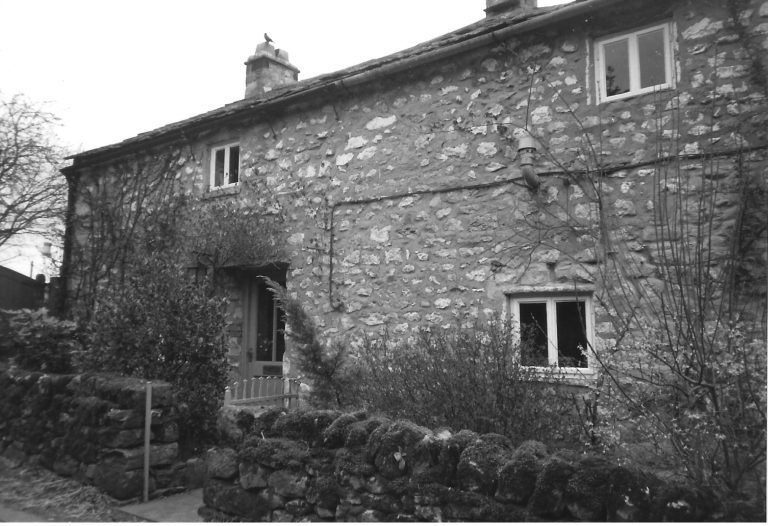 | Montrose, 3 Cherry Cottages The exact age of Cherry Cottages is not known and although the deeds go back to 1898, it is presumed to be much older. 1 Cherry Cottages must have been an addition as there are corner stones between 1 and 2. 2 and 3, now Montrose, had originally been one house, an existing door frame between the two cottages was found, but were separate in 1898 when the deeds start. They were re-combined in 1985. It is rough stone, rubble fill construction with horse hair plaster and lath and plaster ceilings. There is a story about the houses that they were poorly built by two brothers, using begged and borrowed material. There is one supporting beam which stops short of a wall and is met by another, cut to fit, which might add truth to this story. There are no foundations and the cottages have a tendency to lean downhill! The internal stairs are of stone. Part way up the stairs in number 3 is a small alcove in the wall believed to be a candle hole, where a candle will burn without guttering even in a draught. When the two cottages were being re-combined in 1985 a layer of broken off slates just below gutter level in number 2 gave rise to the thought that this might have been the remains of a barn porch roof. This theory is supported by the discovery of a layer of cobbles about 12 inches below current ground level at the same side of the house, which could have been a cobbled yard. There is also a walled up doorway, possibly a shippon doorway, which had been obscured on the inside by a chimney breast. Perhaps this was one of the earliest barn conversions? In the 1960s the occupants feared they would have to move because they believed there was a demolition order on the cottages. However by the 1970s they were given grant aid to install a flush toilet and eventually a bathroom Number 2 was occupied by Bill Wild until his death in 1984. He had moved to Malham in the 1950s. His cottage in 1984 still had no WC, one cold tap, four light bulbs, two socket outlets and no hot water except for a little Creda Corvette. Quite a spartan existence for such a well respected craftsman. He left his mark on two of the splitting roof beams by attaching brackets to hold them together. The two cottages now form one private dwelling. |
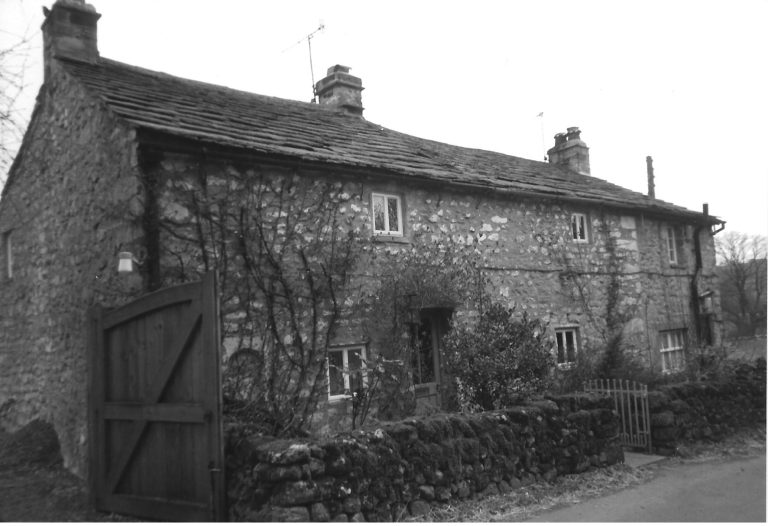 | 1 Cherry Cottages This is the end cottage on the east of the row on Finkle Street. It has obviously been built at a different time to numbers 2 and 3 but the date of building is not known. It is now a holiday cottage. In the 1940s Mr and Mrs Vintner sold pop and crisps from the cottage. In the 1960s it was a shop selling fabric, lampshades, pottery etc. Owned by Betty Bulmer, wife of sir William Bulmer of Hanlith. It was then let to David and Eileen Howard of Pinfold to be used for selling antiques and then became Joe’s Cafe run by Doris Bedford. She and David Howard had both been wardens of the Youth Hostel |
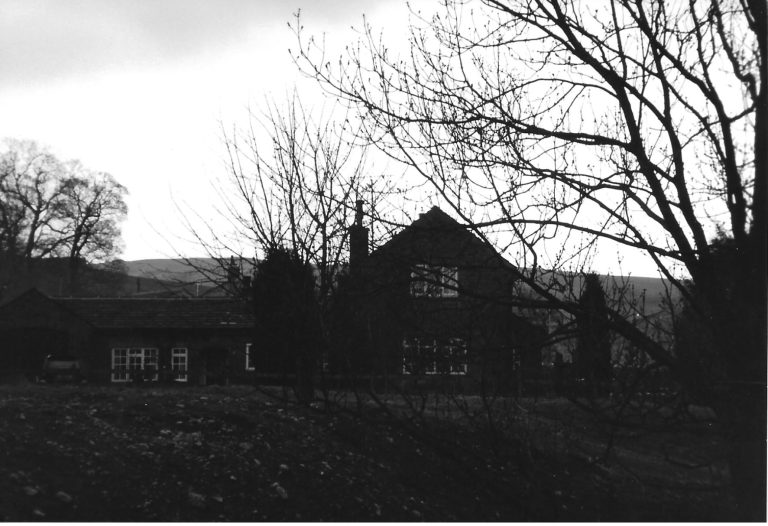 | Greenbriars Greenbriars is a stone house built by a Leeds firm in the 1960s for Mr Richards. It was originally called Old Close House as it was built in Old Close Field, which had been part of the Atkinson estate. It has since been altered and extended |
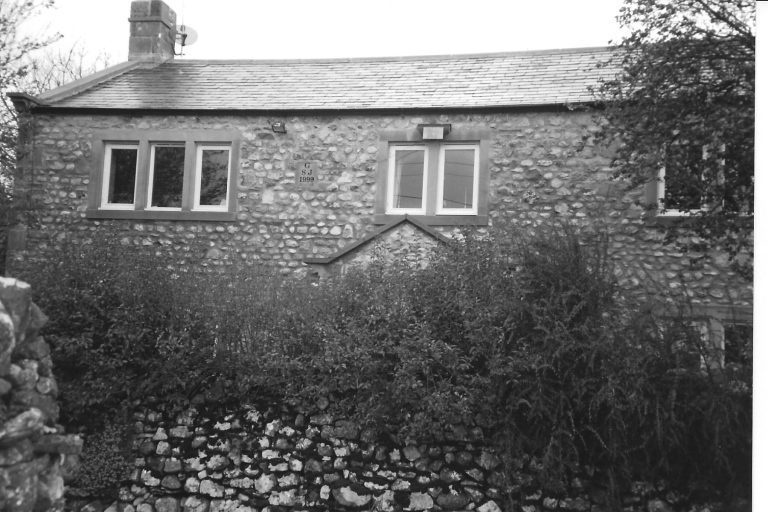 | Pinfold, Finkle Street Pinfold was built in 1999 to replace a fire damaged, timber framed, corrugated iron clad, bungalow of the same name which was used as a holiday cottage. As the name implies the site was formerly the village Pinfold |
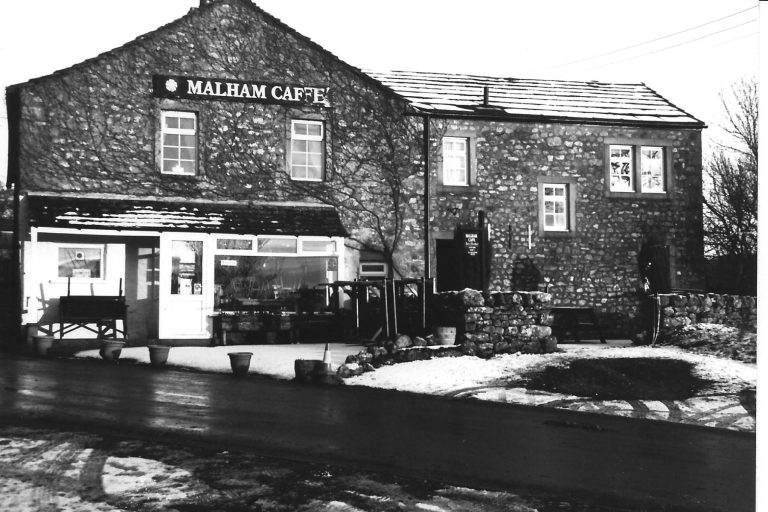 | Malham Café, The Green The original part of the building now known as Malham Cafe is the northern part with the extension built by Maurice and Keith Blades in 1977 In 1912, possibly earlier, it was the Temperance Hotel with W.H. Clark as the proprietor. At that time it was also a grocery and provision store. It was re-roofed in 1975 |
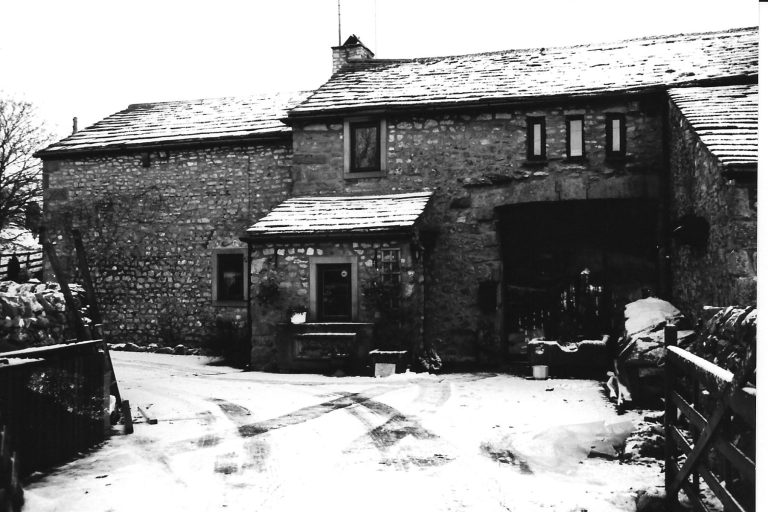 | Riverside Barn This property was converted from a barn formerly called Old Close Barn, which was part of the Hanlith (Illingworth) estate. |
 | Eastwood House Eastwood House is one of a pair of adjoining houses built in 1902 by Samuel James Hartley a painter and plumber from Gargrave and the two were known as Coronation Villas until 1976 when it was renamed Eastwood House. It stands on land formerly occupied by two cottages, one of which was the post office. Prior to the existing houses being built, the cottage on the land was owned, at least from 1888, by the Peacock family. Thomas Peacock died on February 28th 1888 when the property passed to his widow Mary who in turn died on January 12th 1890 leaving her son John and daughter Mary as executors. On January 17th 1902 John Peacock, a labourer, sold to S.T. Hartley for £75 and he built the existing houses Subsequently, the house passed through the following chain of ownership: 18th June 1920 S.T.Hartley sold to J. Jackson for £380 15th March 1926 Bought by Septimus Wray of Nessfield, Heysham for £390 29th August 1928 Bought by Annie Elizabeth Cooper for £425 7th March 1931 Bought by William Hargreave from East Africa 23rd August 1933 William Hargreave sold to Thomas Coulthard, a retired fruit merchant from Blackpool, also for £425 15th December 1933 Thomas Coulthard died and the property passed to his wife Beatrice Fanny Coulthard, to remain hers as long as she did not remarry. If she remarried then it would pass to his brother-in-law, George Thomas Bradley 15th October 1956: Beatrice Coulthard died and it passed to Reginald and Jenny Clark 8th September 1969: Reginald and Jenny Clark sold to Peter and Heather Holmes of Airton 23rd October 1975: Bought by G. Harland of the Buck Inn 6th January 1976: Passed to Mr and Mrs S.B.H. White who changed the name to Eastwood House 1983: Passed to Mr and Mrs D.W. Rawson. Mr Rawson was the village blacksmith at that time 1993: Bought by D. Calvert July 1996 Sold to Mr and Mrs McMurry. September 1998 Bought by the present owners. |
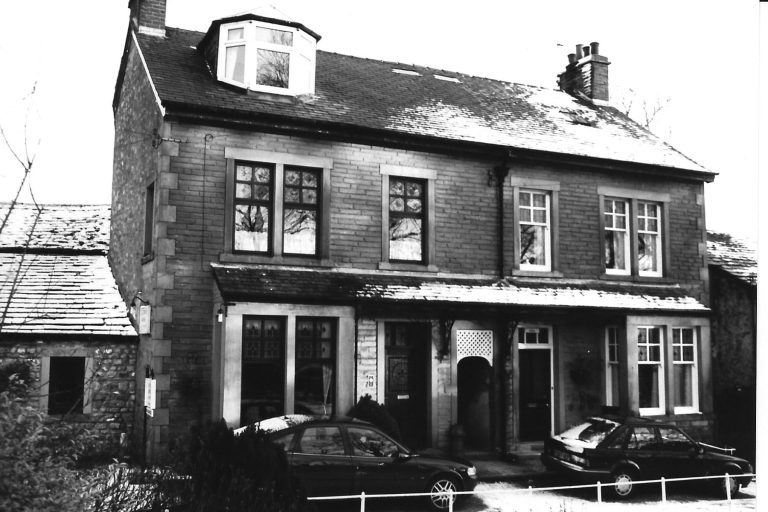 | Coronation Villa Coronation Villa is one of a pair of adjoining houses built in 1902 and named in recognition of the Coronation of Edward the Seventh in August of that year. They were built on land where two cottages previously stood, one of which was the post office where a Mr John Peacock lived. He sold to Samuel Thomas Hartley, a painter and plumber from Gargrave, who built the present houses. The land forming the garden was purchased from Walter Morrison in 1923 The house was bought in 1923 by James Bolland and on the death of Mary Ellen Bolland in 1941 it was sold to George Alderson of Kirkby Malham who rented it to a Mr Eastwood from Hull during the war years. Harry and Betty Bolland took over the tenancy in 1949 and purchased the property in 1982 after it had passed to Mr Alderson’s son on the death of Mr Alderson |
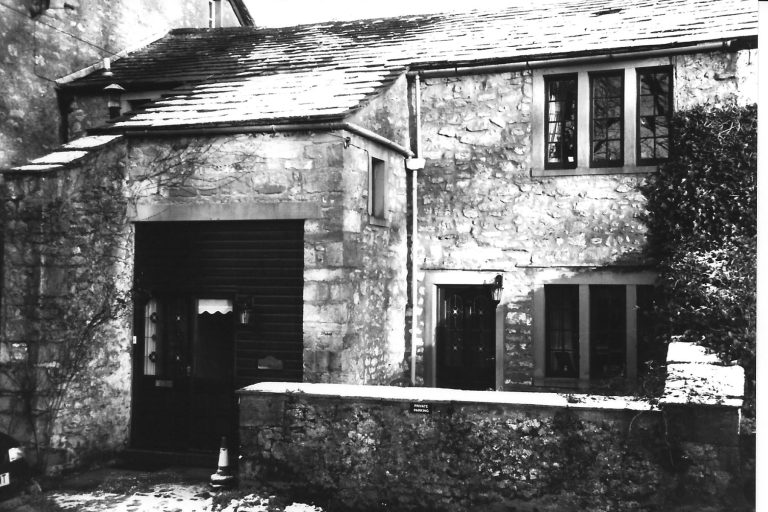 | Tennant Flatt Tennant Flatt was a stone barn originally converted into two flats but later consolidated into a single house. It has also been used as a holiday cottage. The property also includes the ‘midden’ on the riverbank. At one time this was used as an antique shop |
 | Tennant House Tennant House is Grade II listed. It is part of an 18th century building of limewashed rubble, with stone dressings and stone slate roof. This was part of Tennant Farm which belonged to the Atkinson estate and was farmed by the Simpson family. It was sold to Geoff Harland of the Buck Inn in 1976. He converted the farm into three separate properties, Tennant House, Tennant Cottage and Tennant Flatt. |
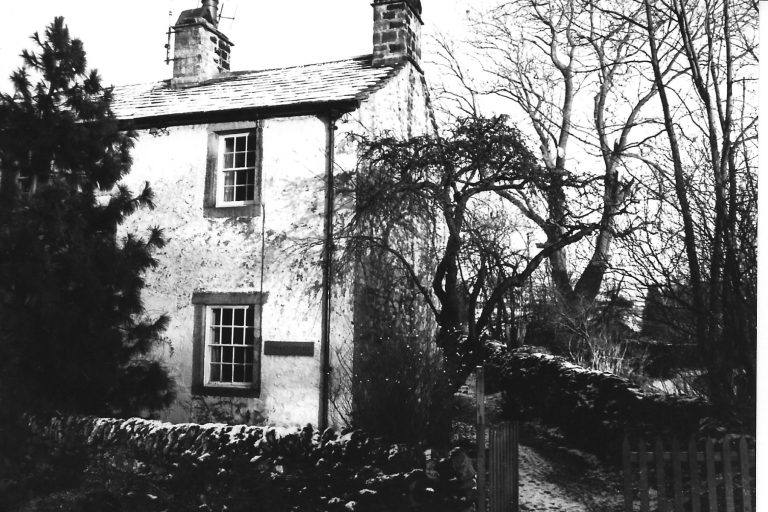 | Tennant Cottage Tennant Cottage is a Grade II Liisted Building. It is part of an 18th century building of limewashed rubble, with stone dressings and stone slate roof. Formerly it was part of Tennant Farm which belonged to the Atkinson estate and was farmed by the Simpson family. It was sold to Geoff Harland of the Buck Inn in 1976. He converted the farm into three separate properties, Tennant Cottage, Tennant House and Tennant Flatt. |
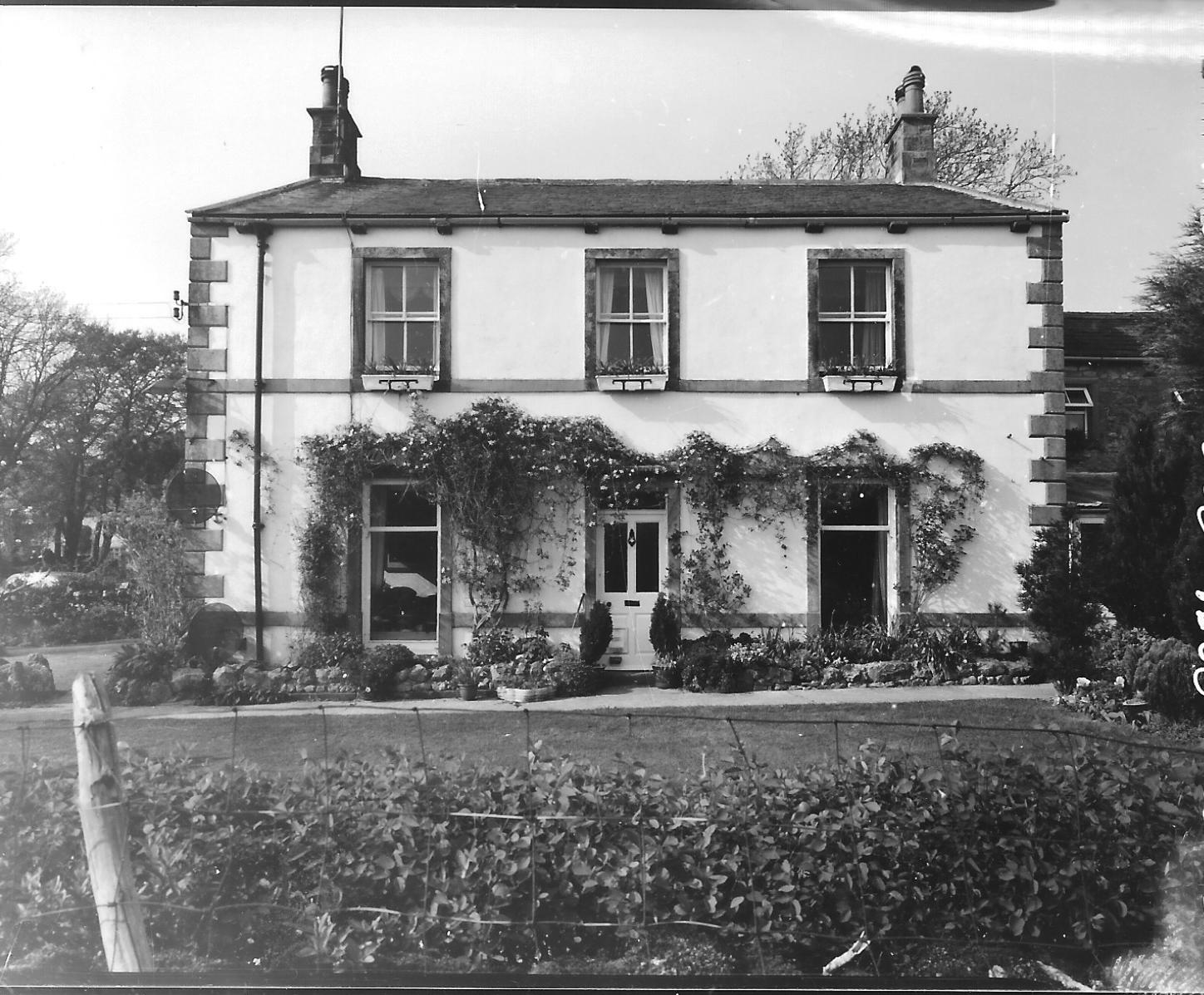 | Miresfield Miresfield is a Grade II listed building with the earliest parts dating from the 17th century. It was a traditional Long House. In 1860 it was extended and ‘victorianised’ with the front wall being brought forward by twelve feet. It became a gentleman farmer’s retirement dwelling with twelve acres of land. In 1982/83 it was used for bed and breakfast with the change of use from agriculture to tourism. Four letting cottages were converted from the outbuildings in 1983, and in 1990 these cottages were made into letting bedrooms for the guest house. The two buildings are joined by a dining room. Outside Miresfield is an old millstone carved with the date 1723 |
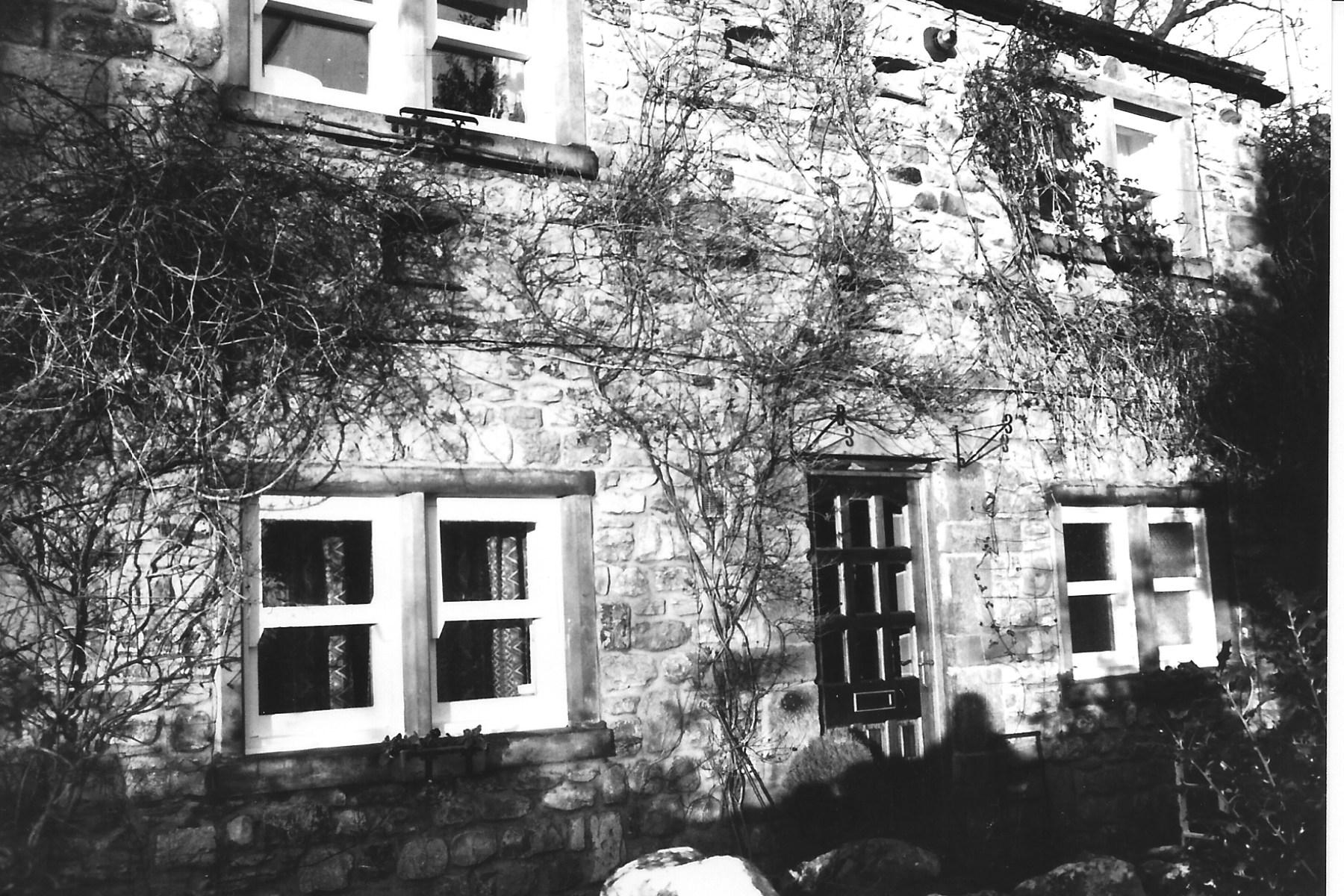 | Miresfield picture 2. |
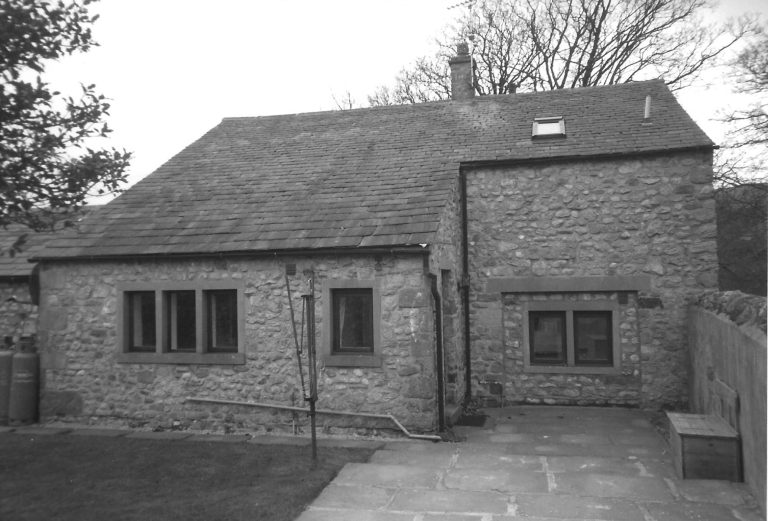 | Priory Barn This Barn used to belong to Prior Hall. It was converted in 1995/6 |
| Entries below this point have been added after the official Millenium Buildings Project was completed. | |
 Malhamdale Local History Group