In the year 2000 Kirkby Malham has a population of about 90 in 40 dwellings. It has a church, an inn and a school, but no shops. In 1901 it had 30 dwellings and a population of 106. The housing stock has increased by the conversion of 6 barns to houses and the building of 7 new houses mostly on in-fill sites and in the last two decades. The three old cottages on church lane which were mainly used for community purpose were pulled down about a century ago when the church hall was built.
The most prominent feature in the village is the Church of St Michael the Archangel. often referred to as the Cathedral of the Dales. The building dates from C15 but its origins are much earlier. It retains box pews dated from C17 and early C18, despite having undergone restoration work between 1879-81.
Bill Bryson, the American author of the best-selling Notes from A Small Island lived in Kirkby Malham for several years.
Many years earlier another literary great, Charles Kingsley, stayed in the hamlet, and immortalised the church bells in The Water Babies, written in 1863: ‘Under the crag where the ouzel sings, And the ivied wall where the church bell rings’.
Entering Kirkby Malham from the South you cross a grade 2 listed bridge. This was featured in a painting by Thomas Girtin, a friend and rival of JMW Turner who painted many scenes in Malhamdale. The bridge was closed for a few weeks and partially dismantled, and then rebuilt in 2019 with much new stonework.
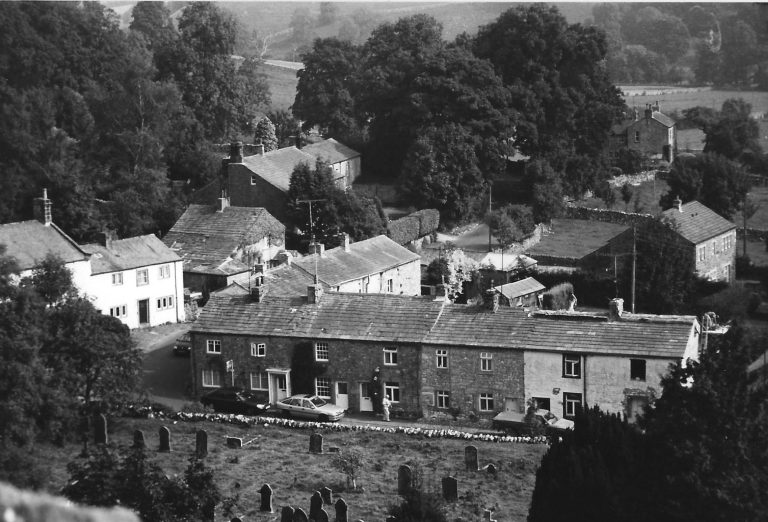 | Kirkby Malham – Main Street Most people drive through Kirkby Malham on their way to Malham. If they stopped to look they would find many historic buildings here. The following photographs were taken as a snapshot of the village for the Millennium. |
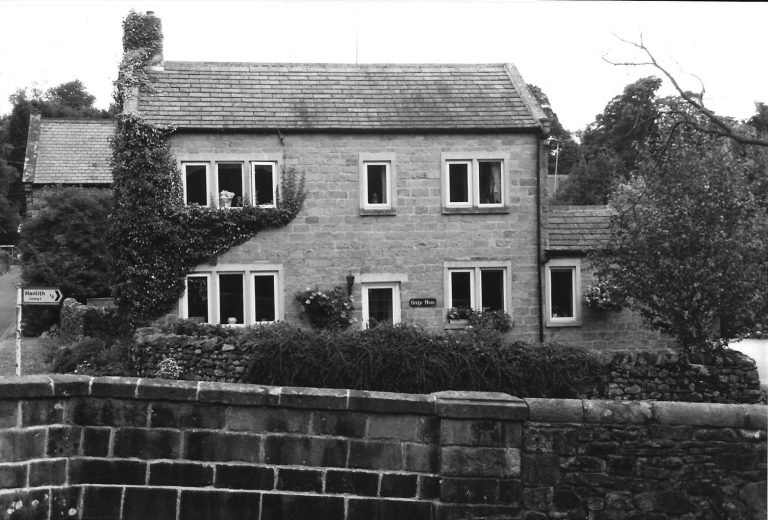 | Bridge House The first house on the lane leading to Hanlith and opposite the Victoria Inn. This modern semi-detached house was built c.1984 in a traditional style on the site of an earlier building – believed to have been a Blacksmiths shop as early as 1800. |
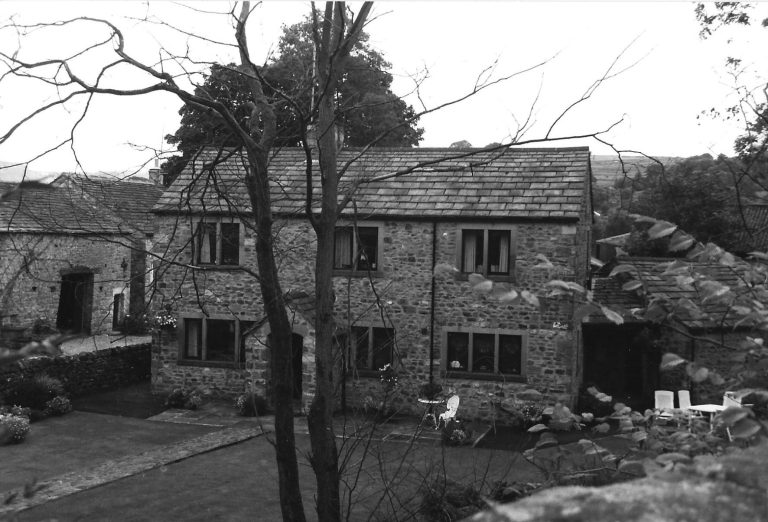 | Bridge Croft Built in 20th century in local style. A modern detached house was built in 1990 on land that originally belonged to the Victoria Inn by a former landlord John Pickles and his wife Treasure |
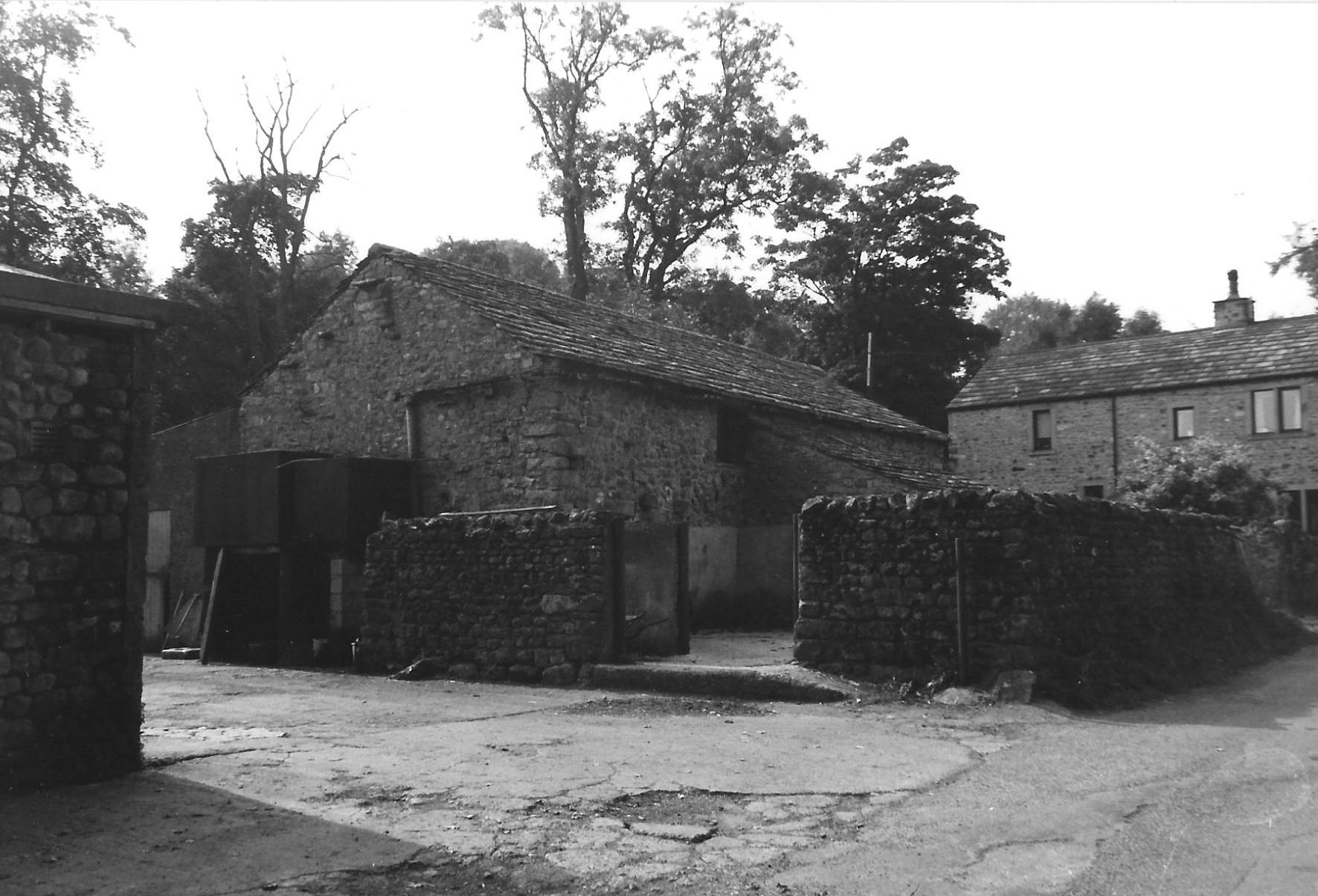 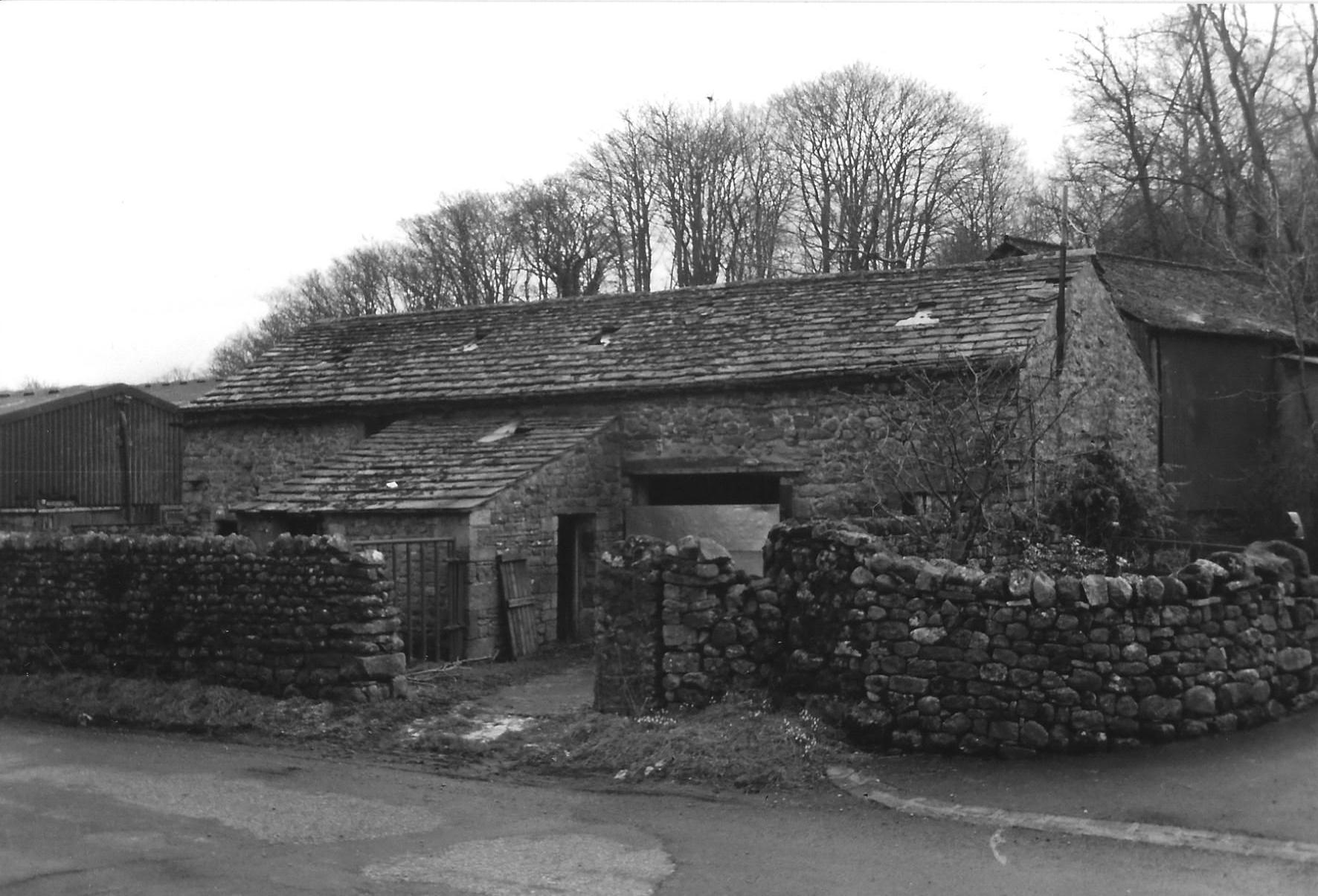 | Hobcroft Barn At the present time there is a planning application in to convert this redundant barn into a dwelling by Mr. Rycroft of Summergill. It was later converted into residential accommodation for the owners of Kirkby Beck Farm |
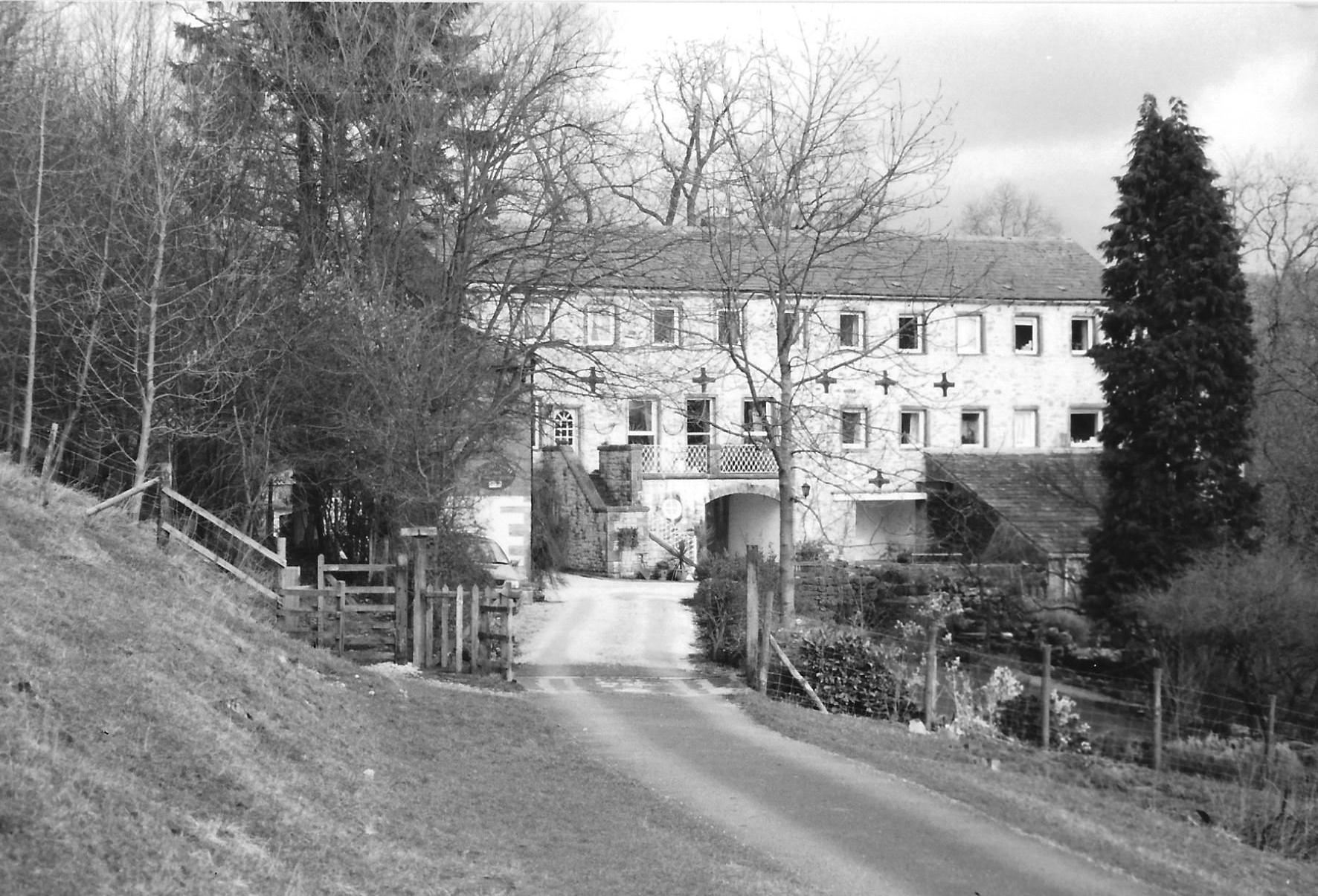 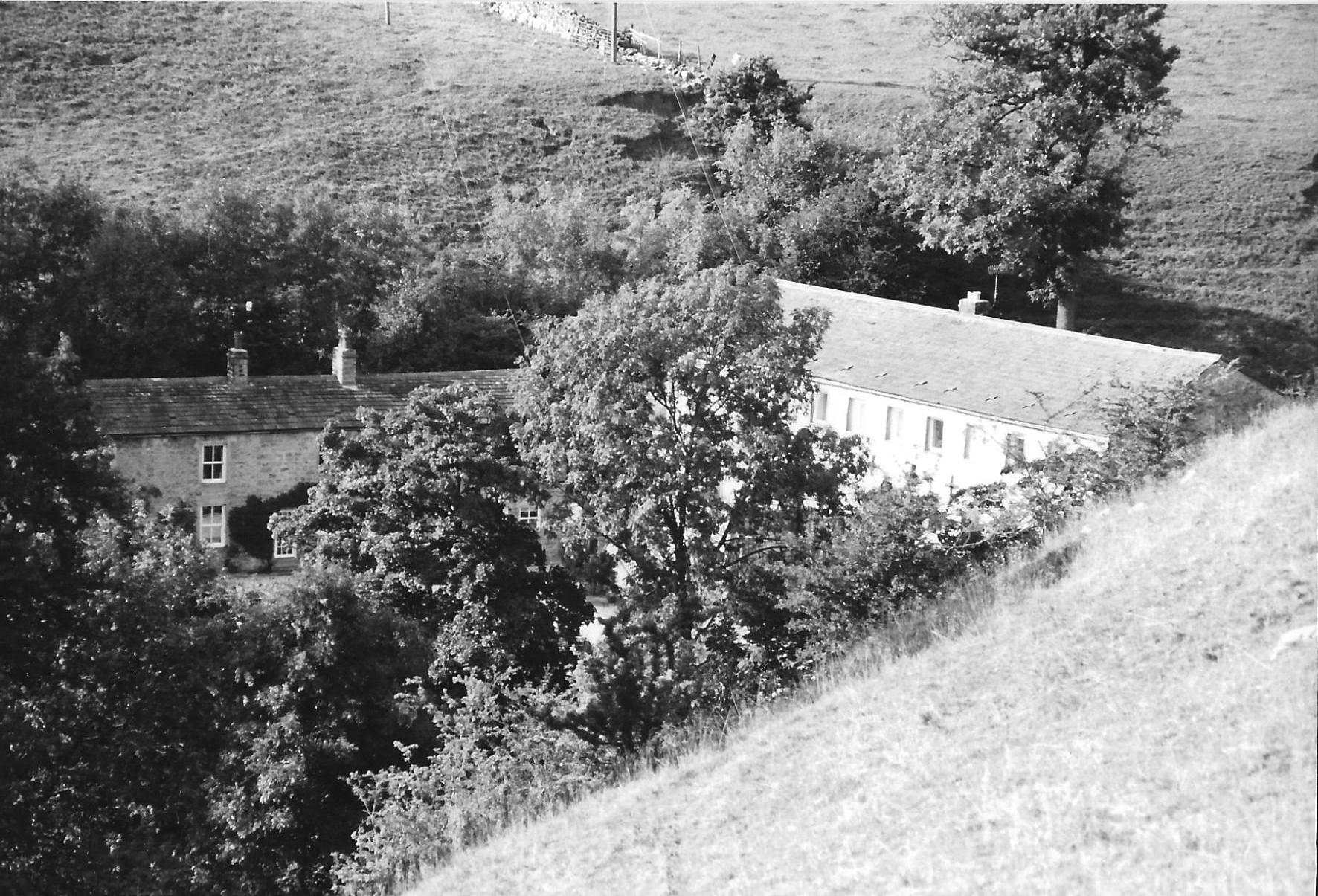 | Scalegill Mill – former Cotton Mill There has been a mill on this site since C13. The present building was built in 1794/5 as a Cotton mill. It is situated on the side of the River Aire about half a mile north of Kirkby Malham. Originally there was a Corn mill, then a Flax mill, then a Woollen mill, on this site. It has subsequently been used as a woodworking shop and a chicken hatchery Its present usage is as holiday apartments and holiday cottages. To the rear is a mill race which links the mill to the millpond which would be used to power the mill machinery |
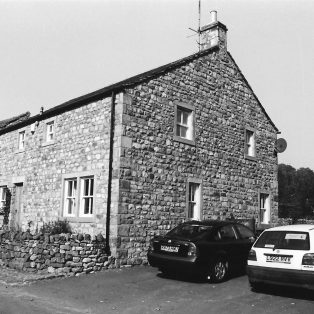 | Greengate This modern detached house was built in the late 1990s by local builders, from recycled stone from derelict buildings up Kirk Gill. Both because of the materials used and the style of the house it marries well with the old barn next to it which has a date of 1667 on a lintel. Update – The adjacent barn (pictured) was later converted for residential use and is now known as Bull Barn. |
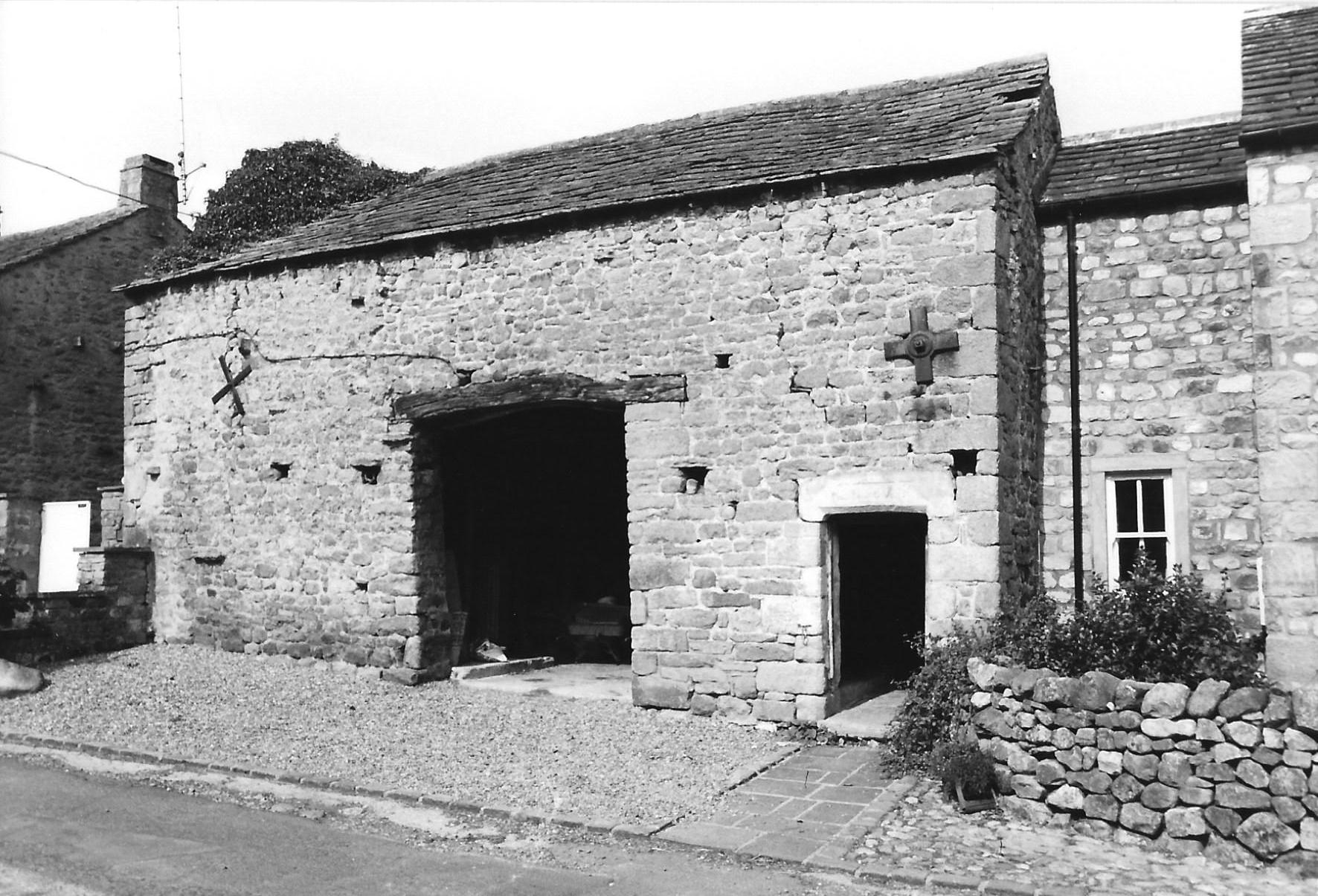 | Bull Barn |
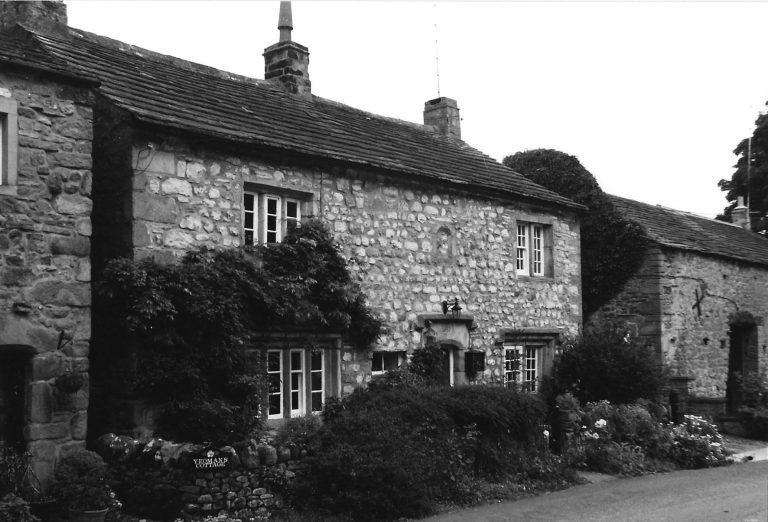 | Yeoman’s Cottage This listed detached C17 house is situated on Greengate commonly known as Hanlith Lane. It has a date of 1637 on its basket arched sandstone lintel. It is built of limestone rubble with stone dressings under a stone slate roof, with mostly mullioned windows under hood moulds. Above the door is a small basket -headed window which is now blocked. Inside it has a large inglenook fireplace with stone Voussoirs. It’s name is probably derived from a Yeoman family who lived there in 1871 until the 1890s when it was called Glen Cottage. |
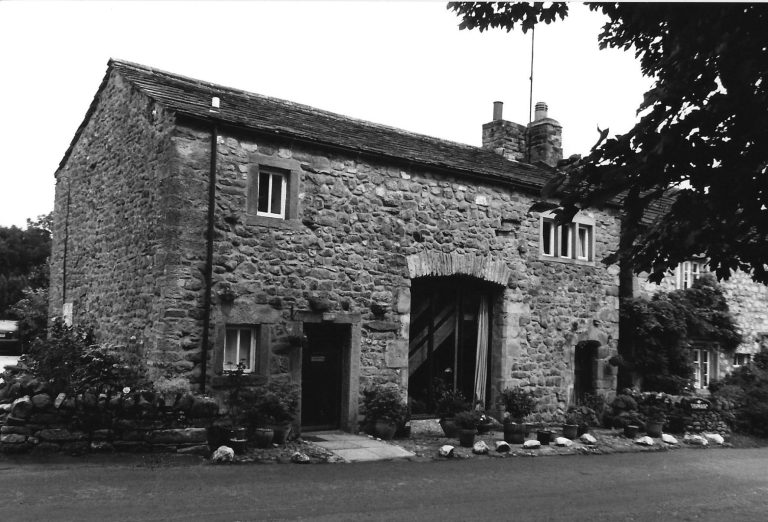 | Yeoman’s Barn This house was converted from a barn in the 1980s. The original barn was believed to have been built about 1637 and was probably part of a farm, Yeoman’s Cottage being the farmhouse. It was extended in 1999 by present owners. |
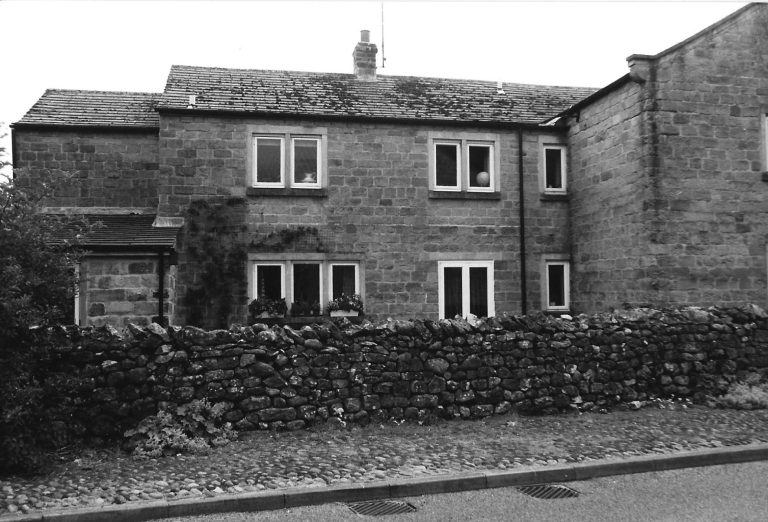 | Mahon House One of a pair of semis situated almost opposite the Victoria Inn on main street and next to the Village Hall. It was built in 1984 |
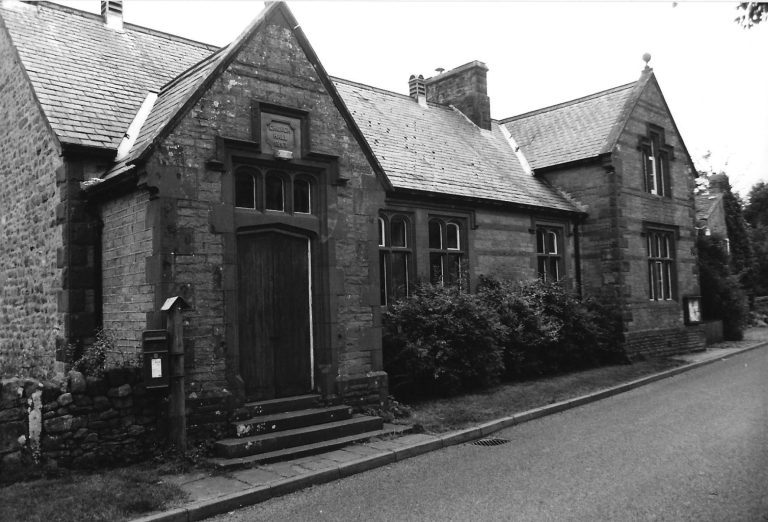 | Kirkby Malham Parish Hall The church hall is a two storey building dated 1897. It was publicly opened by Walter Morrison who provided much of the funding and together with Mr Winskill drew the plans. The mason was John Carr, the woodworker Stephen Clark, painter and varnisher was Edmund Handby. It cost a total of £932 with the site given by Mr Procter of Holgate Head and Mrs Serjeantson of Hanlith Hall. The large room was used for Sunday School, concerts, classes etc. The reading room, with fire, was open all year from 10am and was stocked with daily and weekly newspapers. There was a good library downstairs. |
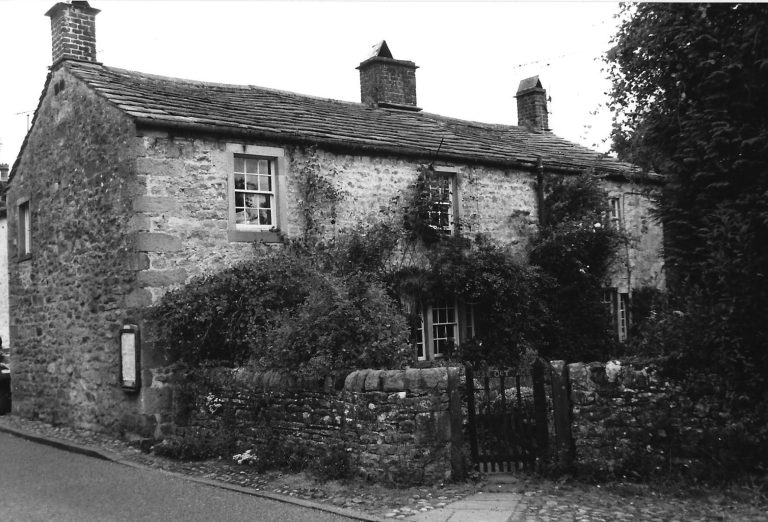 | Rose Cottage, Main Street Once a Post Office and shop. Listed detached cottage is of C17 origin but was altered late C18. Built from rubble with stone dressings and has a stone slate roof. It has tripartite windows to the ground floor with flat faced recessed mullions and a two light C17 chamfered window at the rear |
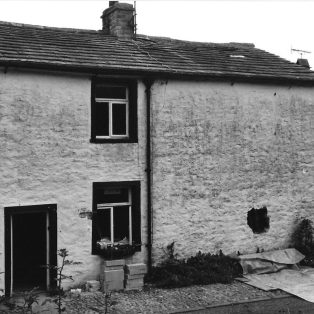 | Hannah’s Cottage, 1 Main Street – photographs show before and after renovation works Probably of C18 origin, the cottage has been extended by incorporating the attached barn into the living accommodation and the lime washed exterior has been cleaned off to reveal the original stone (1999) There is a sundial high on the gable end similar to the one on the inn. It is named after Hannah Pullen who lived there before the present owners. |
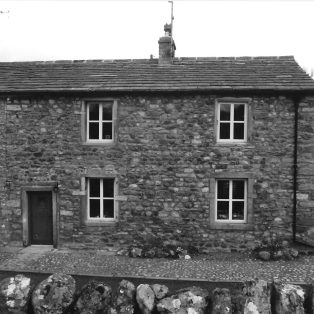 | Lodge Cottage, 2 Main Street is in a row of traditional cottages Lodge Cottage is probably of C17 in origin and at one time a post office run by the Misses Lodge and later a Miss Redfearn lived there. It may have been two cottages at one time. |
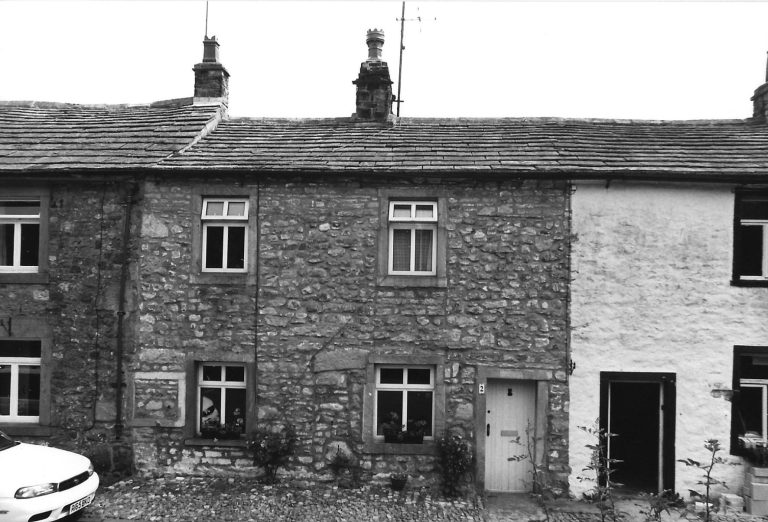 | Isobel Cottage, 3 Main Street in a row of traditional cottages The deeds only go back to 1920 when John Walker of Skellands Farm, Kirkby Malham sold the cottage to Tom Smith (the innkeeper of the Victoria Hotel Kirkby Malham) for a sum of £90, with Richard and Isabel Newhouse as tenants. It was probably built in 1738 as shown by a datestone on the end of the terrace. Although the cottage ownership changed several times the Newhouses remained there as tenants and brought up a family of 13 children, until after the death of Isabel in 1957. In 1958 the cottage was bought by Margaret and Cedric Thompson who had known Isabel for many years and named the cottage after her. A photograph of Isabel standing in the cottage doorway still hangs over the living room fireplace. |
 | Agnes Cottage, 4 Main Street, in a row of traditional cottages. Photograph shows County House (left) and Agnes Cottage (right) This C18 terraced cottage takes its name from a recent long time resident of the dale, Miss Agnes Swaine who with her family farmed at Ingham House in Hanlith and then at Green Farm in Kirkby Malham from the early years of the C20. In 1987 she bought this cottage where she lived till her death at the age of 92 a decade later. It is situated opposite the churchyard and is a typical dales cottage being built of slobbered rubble under a stone slate roof. |
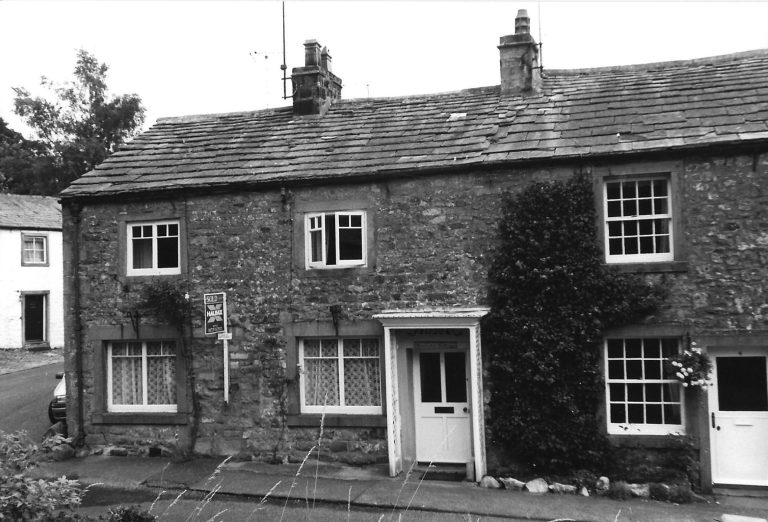 | County House, end cottage on Main Street. Formerly Constable Cottage This corner terraced cottage, at one time called Constable Cottage, is situated opposite the road end to Settle. It has a date on the lintel of 1738, but the deeds state that there was a house on this site at least a century earlier. It was at one time(1920s/30s) a police house and a Magistrates Court. It was owned by the family of Margaret (nee Carr) and Cedric Thompson from 1943 to 1999. For part of that time it was the village shop and Post Office (1941-1965) |
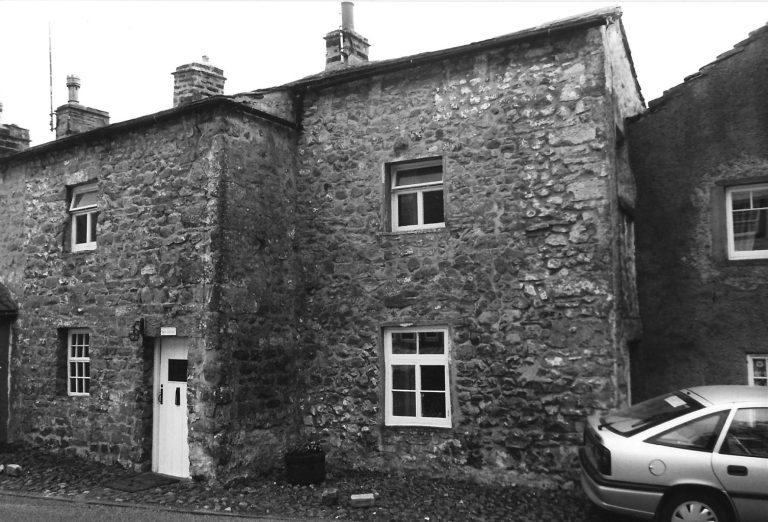 | Glen Cottage, is on Kirkby Brow (around the corner from Main St) Glen cottage is probably of C17 origin. Farm workers lived there and at one time it was a shop next door to the one time Post Office. |
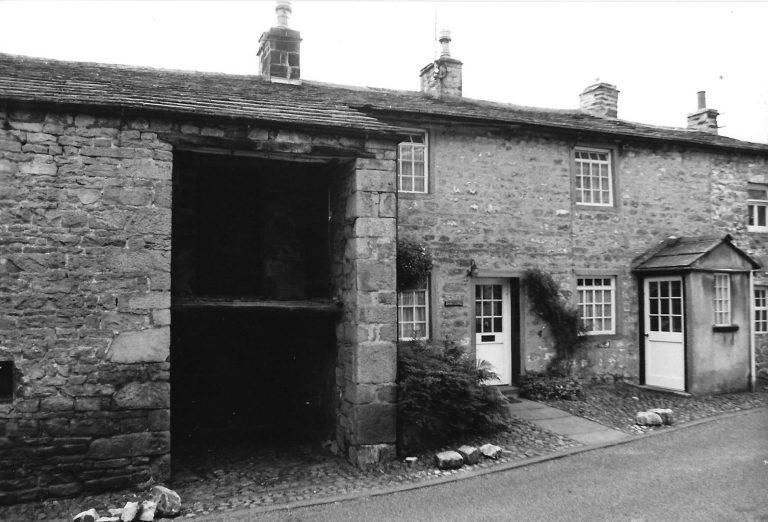 | Barn Cottage, Main Street This dwelling with attached barn is probably C17 in origin. It was at one time part of the Holgate Head estate whose owner William Atkinson Procter owned much of the property and land in the Kirkby Malham area. |
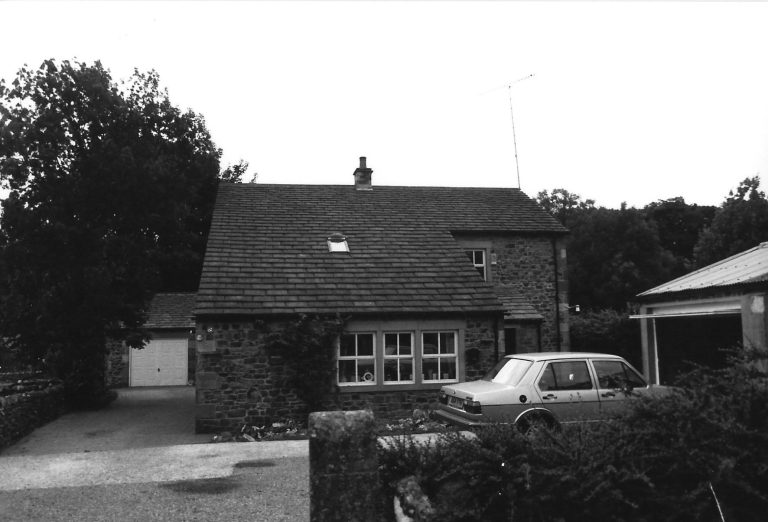 | Moorstone This modern detached house was built in the 1980s by M. Kendry using stone from Hanlith Moor. It has an outshutt facing the road therefore in style and materials blends well with older properties. |
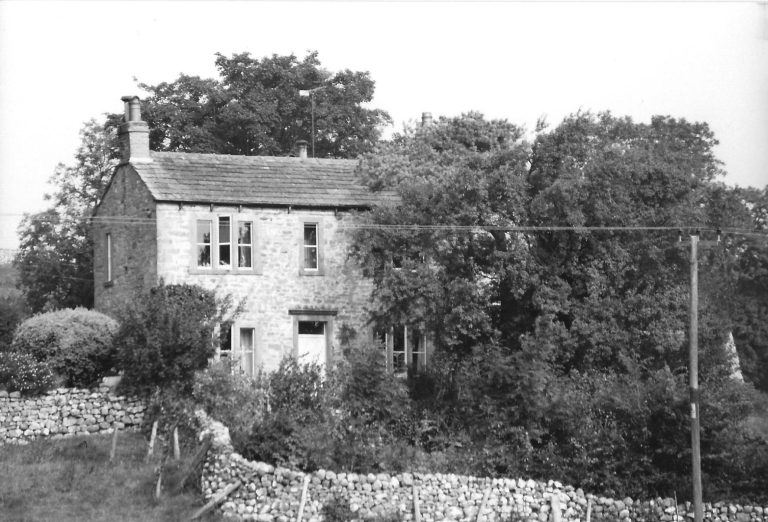 | Manor House Built originally about 1640, this detached house, formerly a farm, was extended about 1800 and then again in 1992 by the then owner Bill Bryson, an American travel writer who mentions the house in his best selling book ‘Notes from a Small Island’. It was farmed most recently by long time residents (1948-1986) the Swaine family and previous to that the Alderson family. It is the last house in Kirkby Malham being located on the right as one leaves the village towards Malham. |
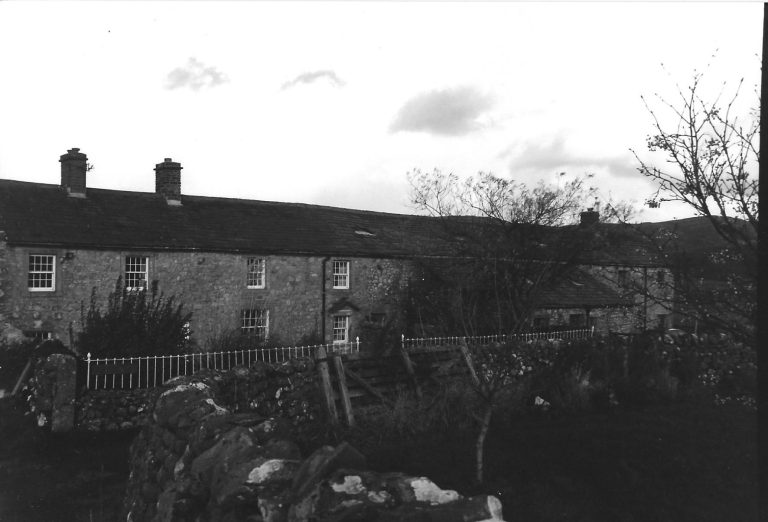 | Kirkby Top This former farmhouse is situated midway between Malham and Kirkby Malham but in the parish of Kirkby Malham and is of C18 origin. The former Shippon, now a holiday cottage, at the end furthest away from the road is thought to be of a later date than the house and barn. The mullioned windows have been replaced and it has been reroofed at some time. In 1841/51/61 it was farmed by the Altham family. In 1871 William Redmayne farmed it. By 1891 it was being farmed by William and Richard Pawson. In recent times it was the home of the Lawson family though no longer a working farm. |
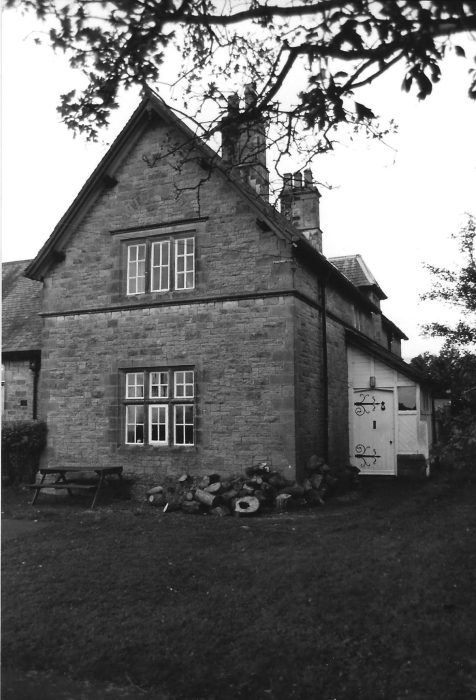 | School House, Kirkby Top The school house at Kirkby Top is attached to the School and was built in 1873/4 and first occupied by Mr. E. Hicks with his wife as assistant mistress. It is situated half way between Malham and Kirkby Malham. |
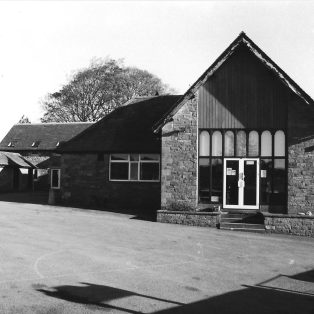 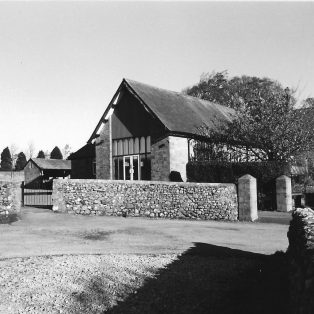 | Kirkby Malham United School The new school known as Kirkby-in-Malhamdale United School is sited between the villages of Kirkby Malham and Malham and was opened in August 1874 with over 70 pupils. It was largely financed by Walter Morrison M.P. of Malham Tarn House. The school was extended in the 1960s with the addition of a dining room and toilets and has been further extended (1999) to provide extra classrooms as there are once more over 70 children attending. For more information about the history of the school please refer to dedicated pages on the MLHG website. |
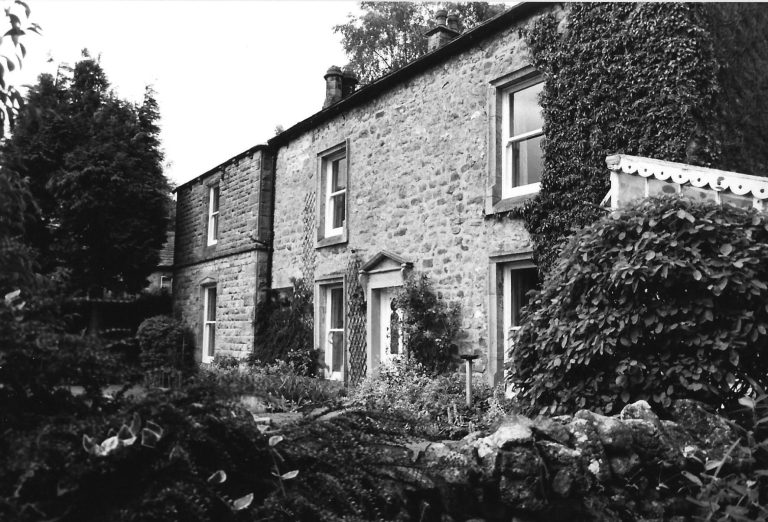 | The Rookery A listed building of late C17 origin, re-fronted late C18 and extended late C19. A full description of its features can be found at https://britishlistedbuildings.co.uk/101316720-the-rookery-kirkby-malham John Dower whose work led to the creation of 12 National Parks in the UK lived in The Rookery for a time. Dower was also the architect for the YHA hostel in Malham. |
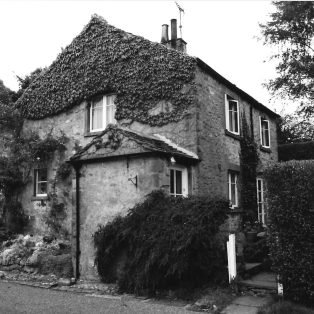 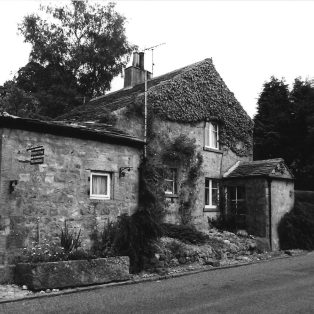 | Rookery Cottage Probably C17 in origin and is thought to have been the Coach House for the Rookery next door as there was access between the two houses at one time. At the rear of the house is a large (about 8ft wide) arch, presumably giving access to coaches. It was owned by the Illingworths of Hanlith Hall in the 1920s and housed their gardeners by the name of Mitchell and Fitzsimmons. This cottage is situated opposite Barn Cottage. |
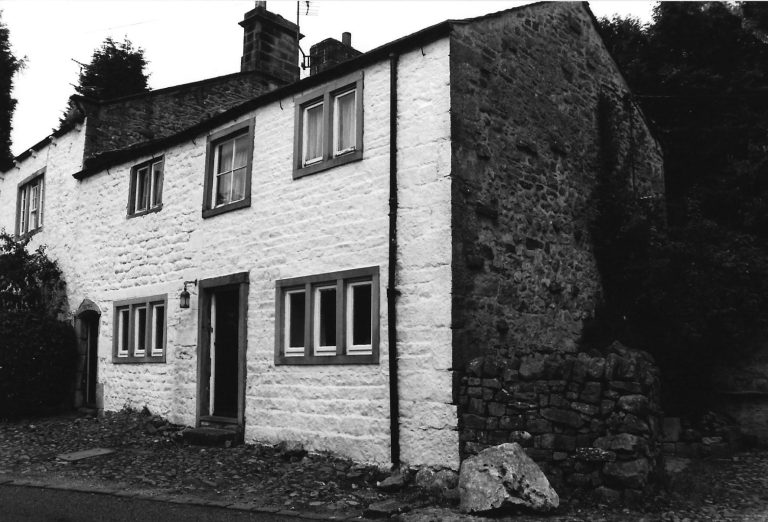 | Tarka Cottage This C17 cottage bears a date 1633 and the initials WW on its curved sandstone lintel. It was converted from a barn in the early 1980s. It is attached to Tarka on the left-hand side of Main Street facing Barn Cottage |
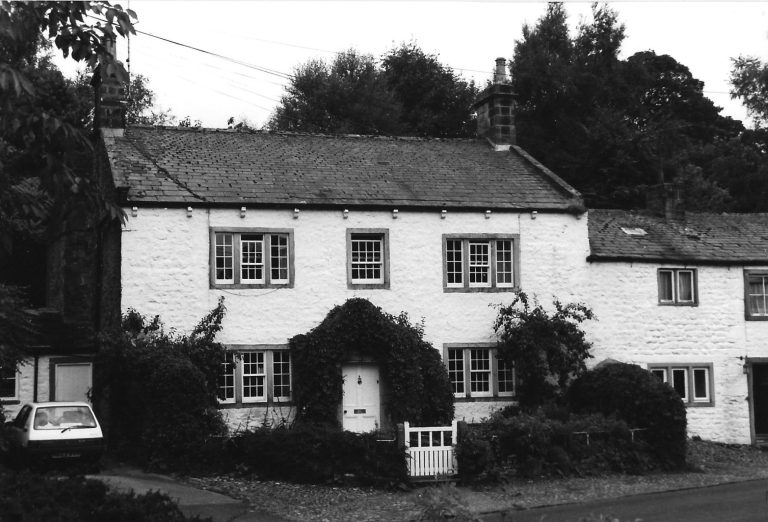 | Tarka A listed C18 cottage situated at the junction of Main Street and the road to Settle. A full description can be found at https://britishlistedbuildings.co.uk/101157838-tarka-kirkby-malham |
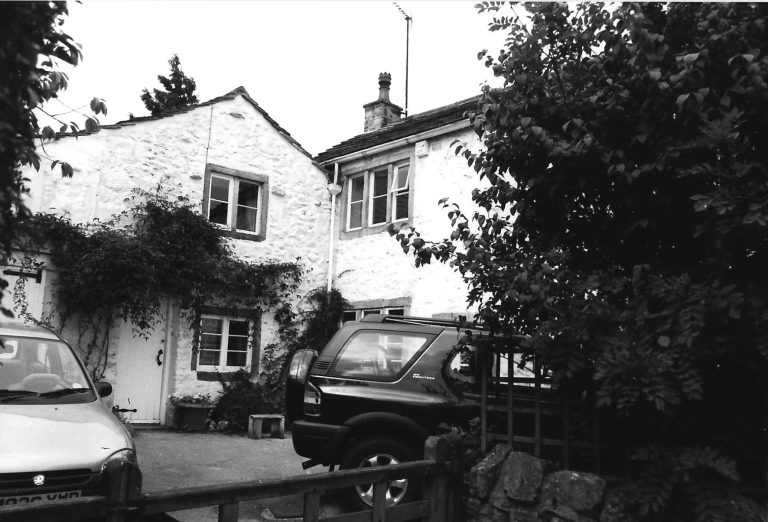 | Lambert’s Halt, Main Street A Grade II listed, C18 house. It may have been two cottages at one time and is believed to have connections with General Lambert, one of Oliver Cromwell’s generals. It is located on Main Street facing a row of cottages and backs on to the Churchyard A full description can be found at https://britishlistedbuildings.co.uk/101132391-lamberts-halt-kirkby-malham |
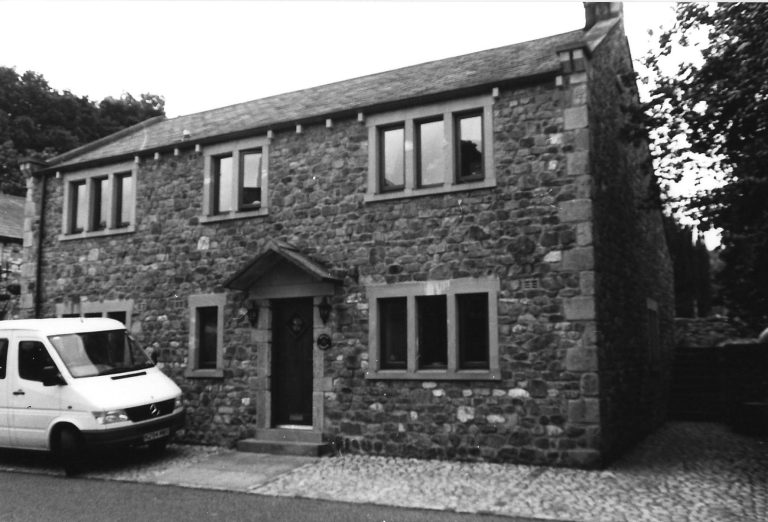 | Hollygrove, Main Street This modern detached house was built on what was formerly the back garden of the Victoria Inn by previous owners Malcolm and Susan Rhodes in 1992/3, by local builder Jim Thwaite of Thwaite Bros. Airton |
 | The Victoria Inn Built in 1840 for George Serjeantson of Hanlith Hall (GS 1840 over the doorway) there is a Sundial in the form of a cornucopia above the Datestone. It was originally called the Sun. According to the 1841 census the first landlord was a Stephen Wilson. It is built of limestone and Sandstone and for many years was limewashed The Inn remains a thriving village inn, providing food and accommodation. |
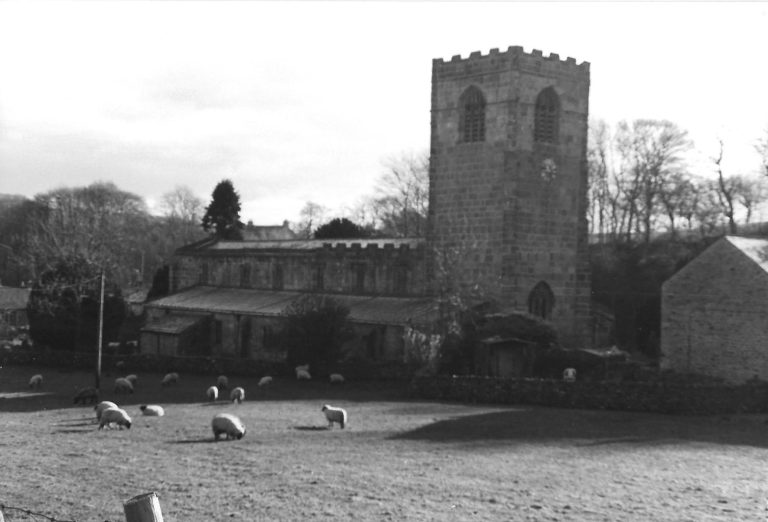 | The Church of St Michael the Archangel dates from the fifteenth century and was restored between 1879 and 1881. It is a Grade I listed building. A detailed description can be found at https://britishlistedbuildings.co.uk/101132389-church-of-st-michael-the-archangel-kirkby-malham. |
 | The Vicarage A Grade II listed building dated 1622 and restored 1866. The second oldest dwelling in the dale. It was built by Thomas King the son of Robert King who was vicar from 1585 to1602. It appears to have three storeys but when the interior was completely renewed in 1866 the second floor was removed so the upper two rows of windows are now part of the first floor. It was previously called Old Hall and Church End. |
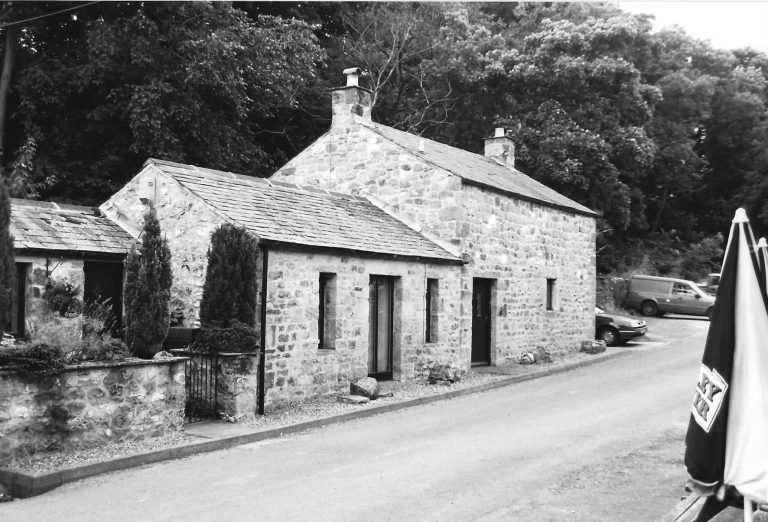 | Victoria Lodge This cottage is situated opposite the Victoria Inn on Church Lane. It was converted into a dwelling by its present owners, former landlords of the Victoria, David and Angela Tippey in 1988 from outbuildings belonging to the Inn. The carriage house at the east end was built to house Charabancs which brought visitors up the dale from Bell Busk station. It was built just in time for Queen Victoria’s Jubilee celebrations and the village celebration was held in it. The central section was used for spirit and general storage. The west end was stabling with a hay loft over. These parts were rebuilt c.1900. Various other buildings existed In the car park area as a barn wall shows. |
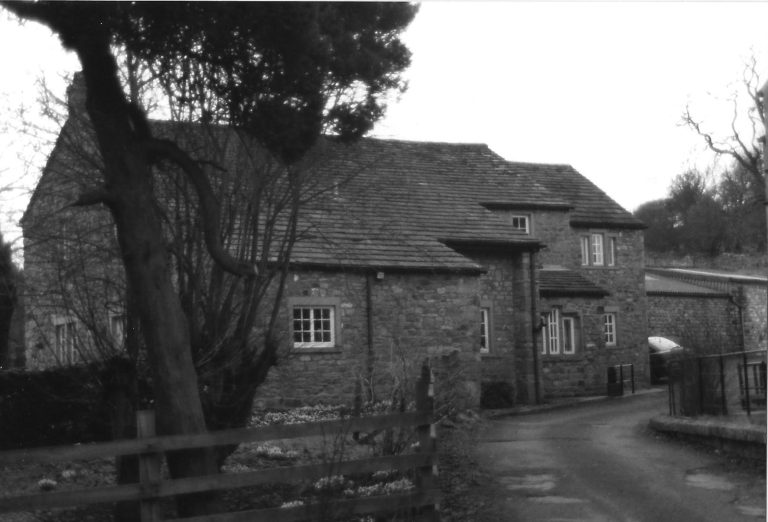 | Summergill – house, formerly a barn. This barn, known as Vicarage Barn, was once part of Church End Farm (owned by the Rycroft family). It has been converted to a house. A wall was built to divide it from a small plot which is church property. The lawn was part of the Vicarage kitchen garden. That piece of land was bought from the Church in the early 1980s. There are original Dove/Pigeon holes on the south gable. It is the home of long-time Malhamdale residents John and Shirley Rycroft The church made it a condition of the sale that the purchased land (now part of the house curtilage) should never have any name which would connect it with the Church or Vicarage hence the change of name. Summergill syke runs down a pasture to the west, so Summergill seemed to be appropriate. |
 | West Bank Farm Grade II listed house, formerly a farm, dating from the mid C18 but extended in C19 and C20.It is built of slobbered rubble with stone dressings and a stone slate roof. The interior has an inglenook fireplace with massive Voussoirs. It is shown on the map of 1841 as Waste Bank Farm. |
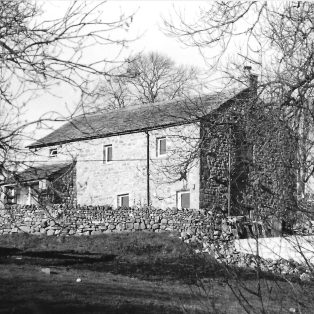 | Greenbank – house Detached dwelling converted from a barn in1993 by the firm of B. Crabtree. It is positioned between West Bank Farm and Church End Farm off the Kirkby Malham to Settle road. |
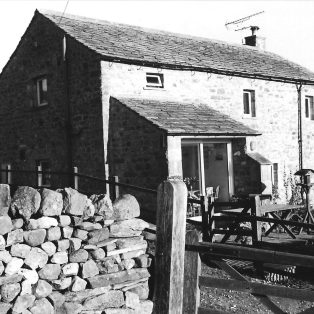 | Greenbank house alternate view. |
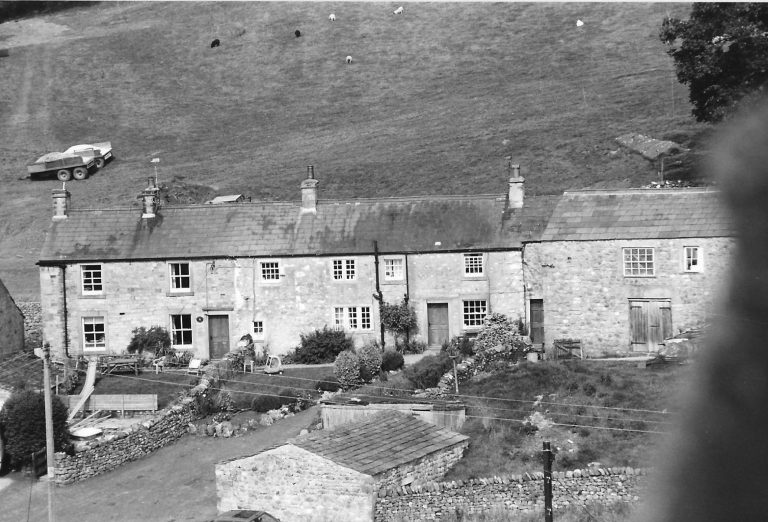 | Church End Farm, Cow Close Lane (on right of photo) This typical dales farmhouse with attached cottage is possibly of C17 origin but substantially rebuilt in the C18 and has a C20 extension to the right. It is a Grade II listed building, made of slobbered rubble under a slate roof Previous occupants include Bland and Bradley families. It is situated in an elevated position on the right hand side of the road to Settle. |
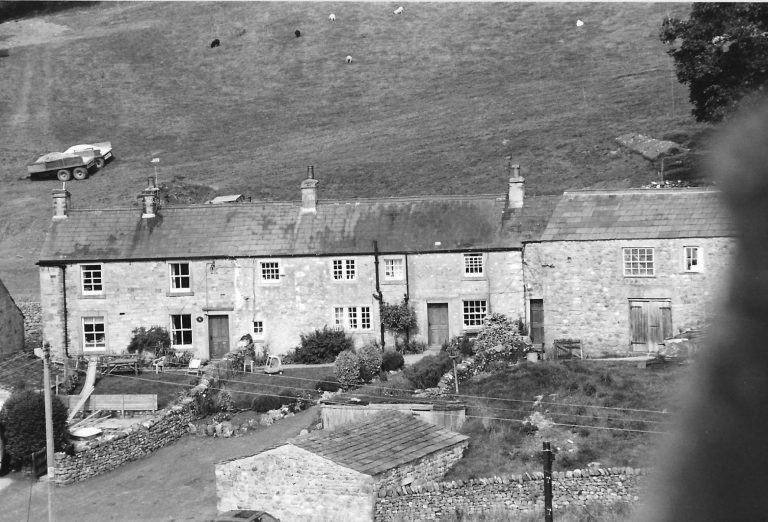 | Church End Farm Cottage on left of picture Grade II listed building dating from C18 |
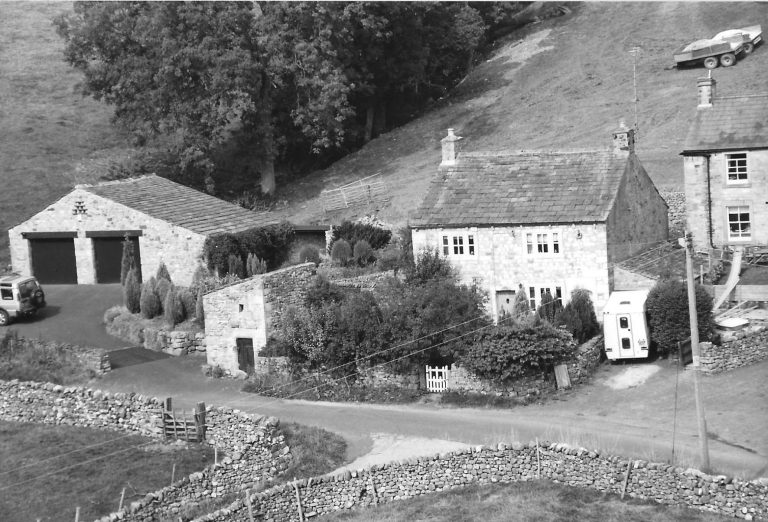 | Clock cottage, Cow Close Lane This listed cottage is built from water shot rubble stone with stone dressings and a stone slate roof. Of C17 origin, it bears a datestone1669. It was lime-washed for many years and then sand blasted by Mr. P. Putwain who modernised it internally between 1986 and 1992. |
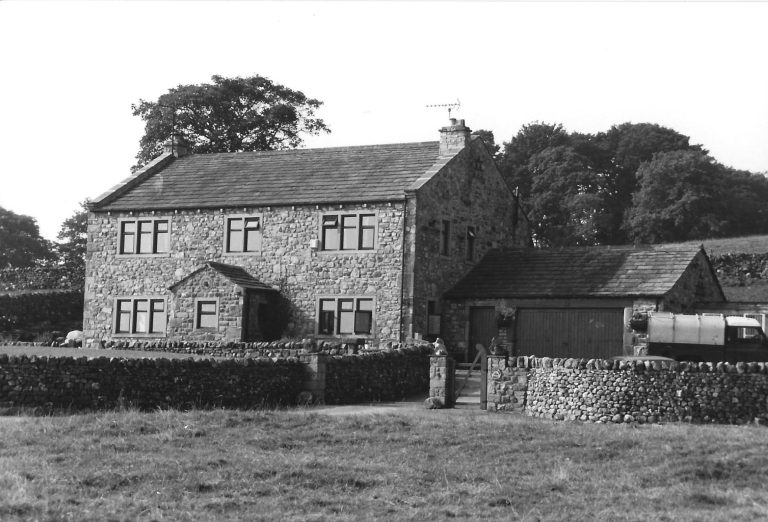 | Micklaw Hill This modern detached house was built in the 1990s and is situated on a green-field site off Cow Close Lane. |
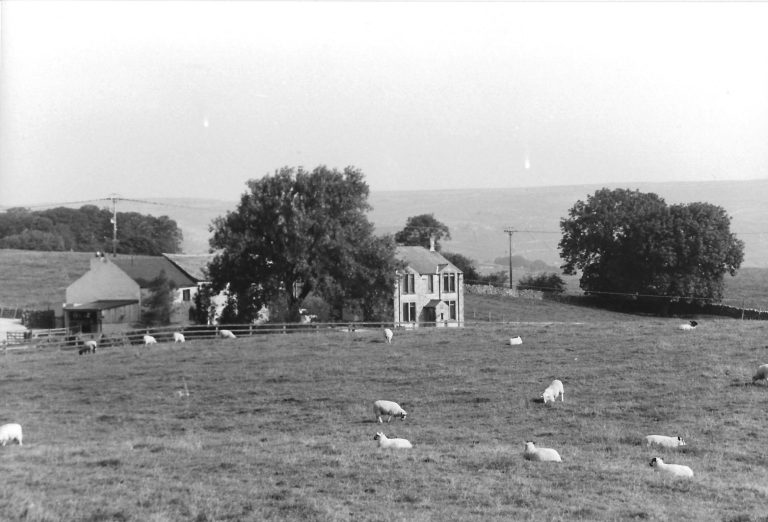 | New Close Farm Despite its name we know that there was a farm of that name in Kirkby Malham in 1841 farmed by a James Hayhurst and his father aged 70 of the same name. By 1851 it had passed into the hands of William Batty who was still there in 1871 but by 1881 a Henry Harrison farmed it, succeeded by Thomas Hodkinson in 1891. A cottage adjoins it. It is situated well off the road to Settle on the right. |
 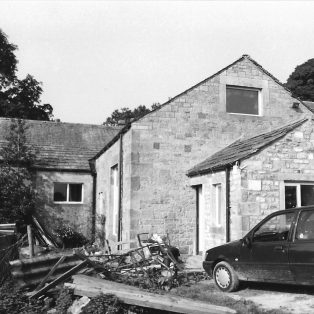 | Accraplatts Farmhouse. The ‘new’ Accraplatts is probably of C18 origin, and is the last farm on the outskirts of Kirkby Malham village sited about half a mile from the road to Settle. Of the old Accraplatts, probably built about 1600, only a few ruined buildings remain. Pre 1881 a Miss Brooksbank (funeral director and farmer lived there). |
 Malhamdale Local History Group