Airton is situated on the west bank of the River Aire, between Gargrave and Malham. In the Domesday book it had a manor which was part of the Fief of Roger of Poictou, Lord of Clitheroe. A little later it was owned by the Bulmer family and then passed by marriage to the Fitzhughs until 1425. About this time the mill was built to grind corn for the local inhabitants. It had a varied career as Cotton mill, engineering factory, Dettol warehouse and chicken housing before becoming residential apartments.
There are two places of worship in the village – the Quaker meeting place and the Methodist Chapel. There used to be a number of shops and a garage filling station, but gradually they have disappeared
Farmland surrounds the village and the two roads leading off the Malham road go over to Hellifield and Settle, this is a particularly fine trip on a lovely day.
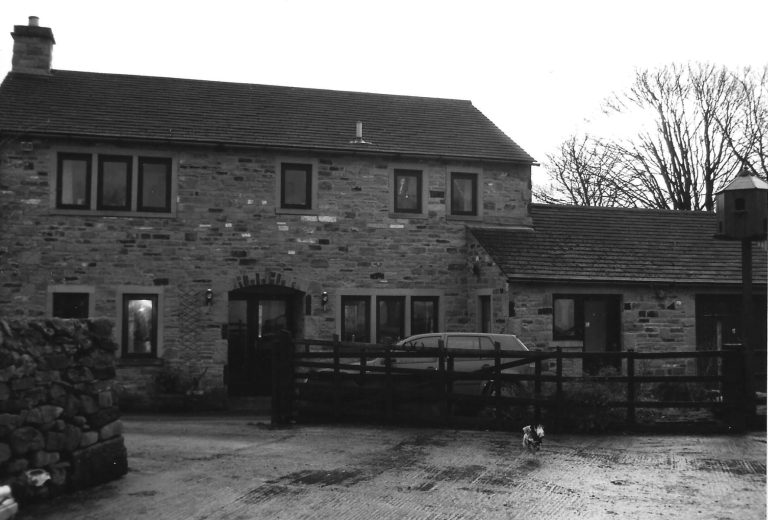 | Barson Laithe A modern farmhouse built adjacent to the farm buildings. |
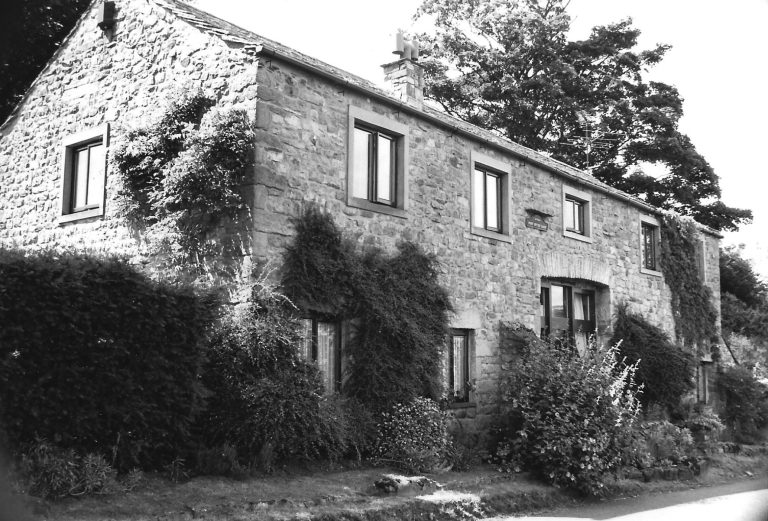 | Post office barn A traditional old stone barn used for cattle and storage of hay. Converted to a dwelling in 1986. It is situated by the bridleway known as Tatham Lane at the entrance to Airton village when approached from Gargrave and looking south towards Calton over the River Aire and Pennine Way. |
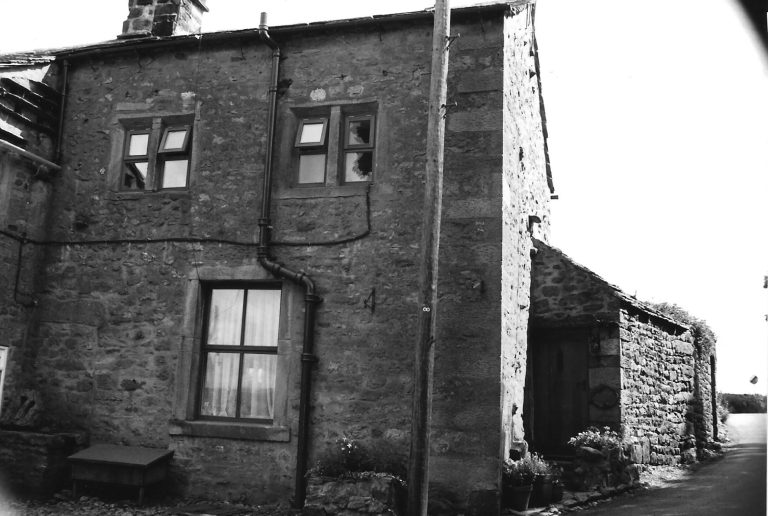 | Airton Cottage A C17 stone built cottage at the entrance to the village. It was once the barn belonging to Vipoint House and is part of it. |
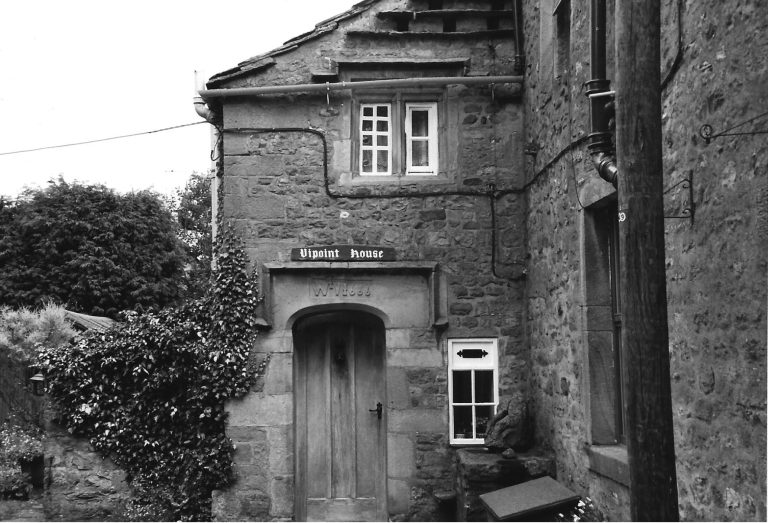 | Vipoint House Grade II listed building. House built in 1666 (and later) of coursed rubble and a stone slate roof. It has two storeys, the original part is wider and is entered through its gable end; now projecting beyond an C18 extension on the lane side. The doorway has a lintel carved i w v. Over this, in the gable, and along the eaves on the north side, are pigeonholes. The North side has a first floor cupboard window, and the south side another with arched head both blocked. Formerly listed as the post office and has post box by the door. |
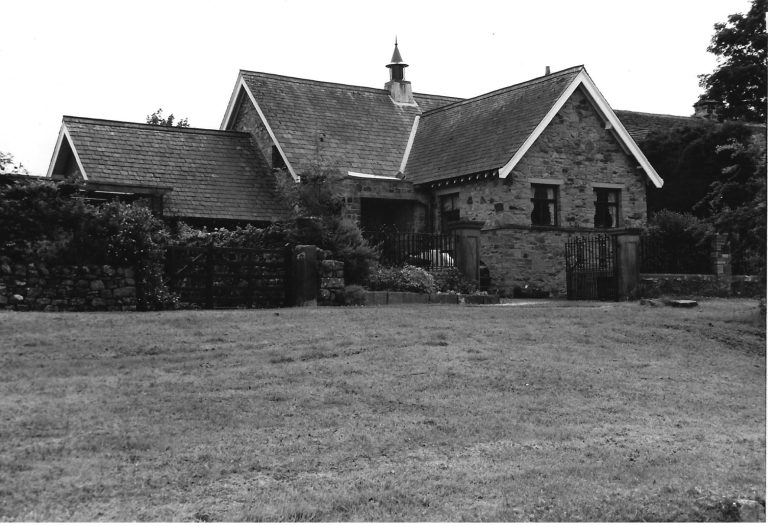 | The Old School A private dwelling converted from the old school that still has the original gateposts, railings and bell tower on the roof The school opened in 1917 and closed in 1974, Further information about the school can be found at: https://mlhg.org/township-hist/airton-home/airton-school-malhamdale-yorkshire/ |
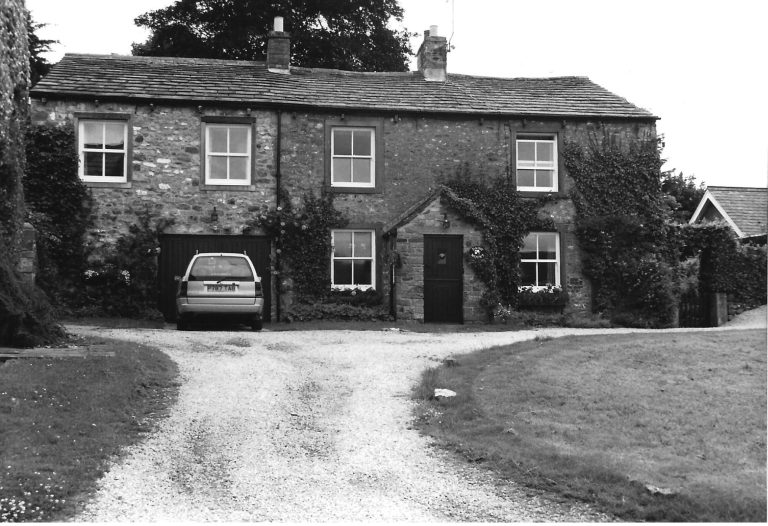 | Daisy Mount It is estimated that the property (formerly two cottages) is 200 years old and was originally in the same ownership as Airton House. In about 1900 the Caradice family lived in the cottage and there was a shop at the side. Ed Brown and John Berry also lived there. It is thought that the carter – taking people to the train at Bell Busk —- may also have lived in one of the cottages because of the high doors on the barn for the shafts of the cart. There is a post box in the front wall. The earliest names to appear on the deeds are on 12 Feb 1912, Mary Agnes and Elizabeth Alice Mount In 1918 Edward Taylor of Garris House sold Airton House and two cottages to Louis Albert Edmonds (a wool merchant). He died in 1936 and probate was granted to Beatrice Mabel Edmonds who lived until 1961. In 1960 some of the land was sold and in 1961 Raymond Carr bought Daisy Mount. It changed hands again in 1973 to Hugh Graham Carr and was finally bought in 1975 by its current owners. In 1975 the porch was added, 1977 the garage was altered and high doors removed and in 1991 the garage was demolished and rebuilt with the addition of two bedrooms and a bathroom |
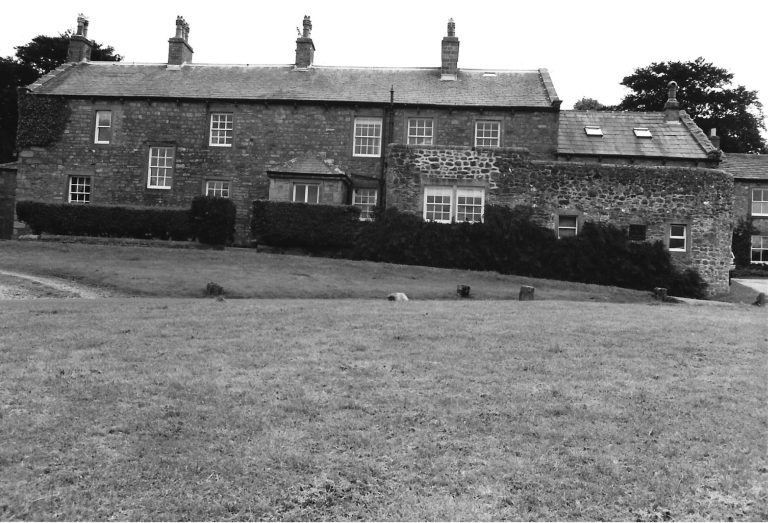 | Airton House A C19 house built of squared rubble with four chimney stacks. It backs onto the green and has a rear porch. |
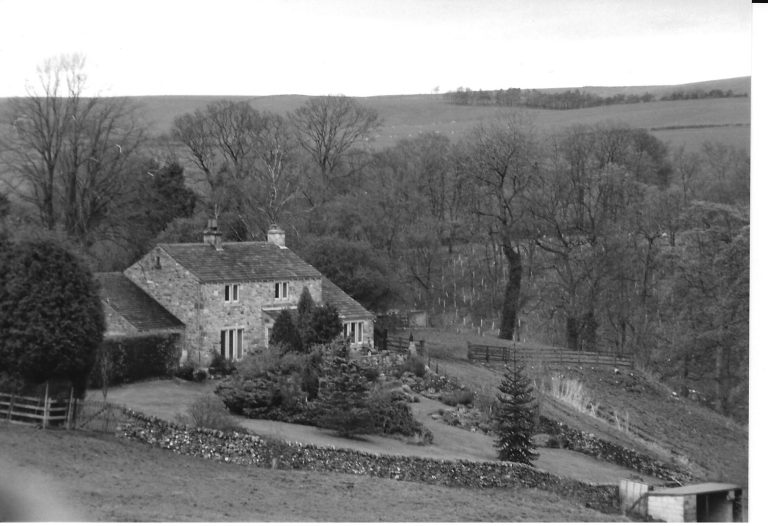 | Airton Garden House A new house built in 1995 by Roger Tiffany in the garden of Airton House. Old stone was used and it has a stone roof. There are two stones in the garden thought to have come from the water wheel at Airton Mill. |
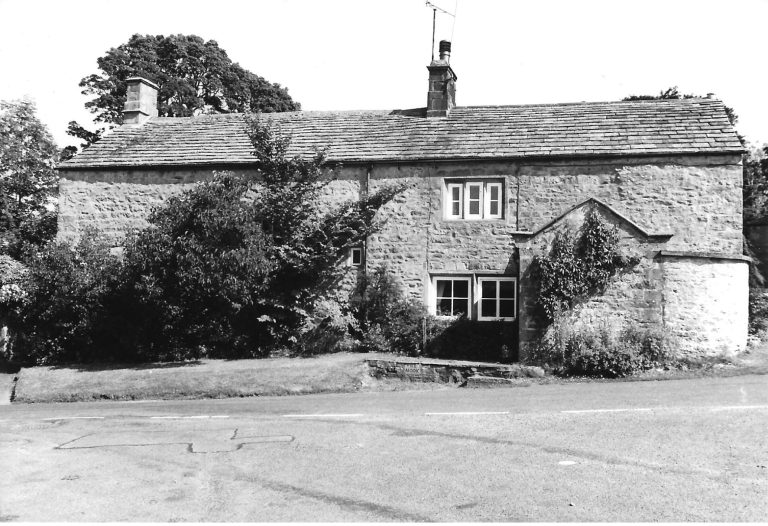 | The Nook Grade II listed building attached to the Friends’ Meeting House. This is a C17 dwelling built of slobbered rubble with a stone slate roof. It has a gabled porch with coping and a chamfered doorway. It was built by William Ellis at the same time as the meeting house. |
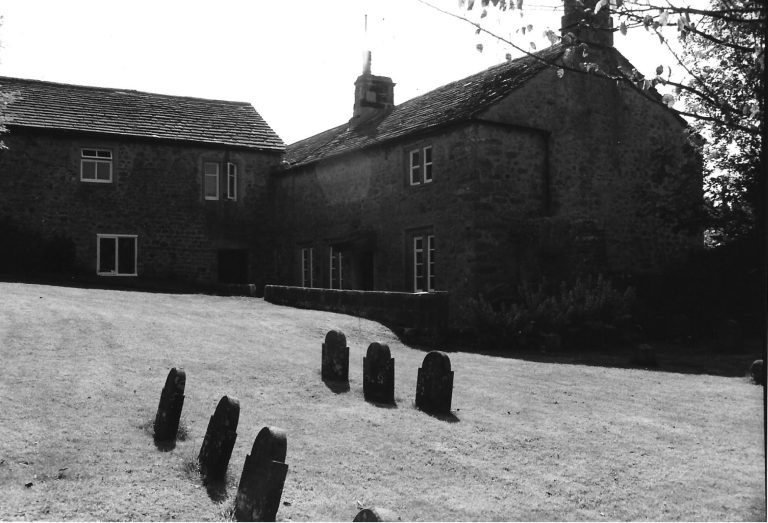 | Friends Meeting House Grade II listed building built by William Ellis in1696 and built of slobbered rubble with a stone slate roof. Prior to this, the nearest Meeting House was Scale House in Skipton, erected in 1693. The lintel over the doorway from the road has the initials d w a and a date carved on it. There is a stone bench running round the area outside the door. The interior has simple panelling, a raised panelled bench at the west end and a gallery with shutters below it. There is a small fireplace also. Attached to the building is a hostel, seen on the left of the accompanying photograph, for visiting groups. A history of the Meeting House can be found on this website. |
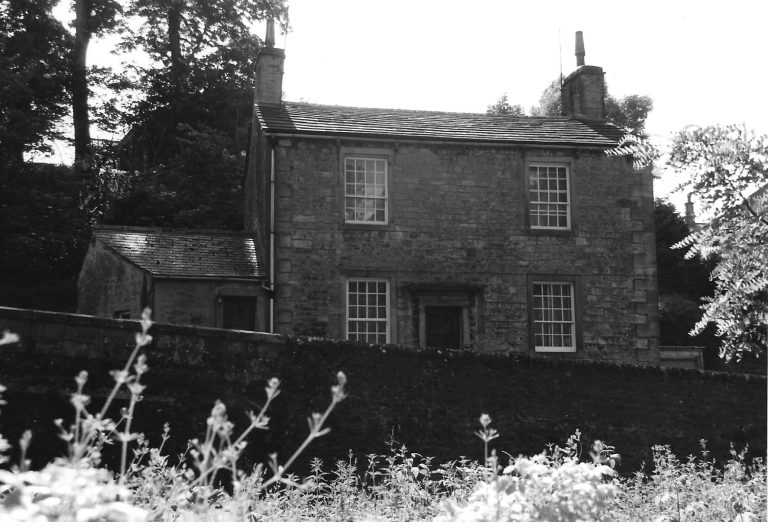 | Riverside Cottage Grade II listed building, former mill manager’s house now a private dwelling. Early C19 built of squared rubble with stone slate roof. Two storeys, sash windows to the streamside all in plain surrounds. |
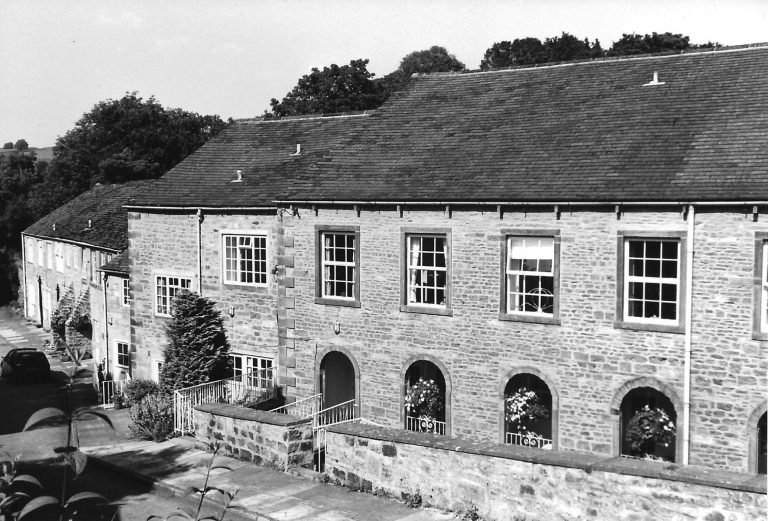
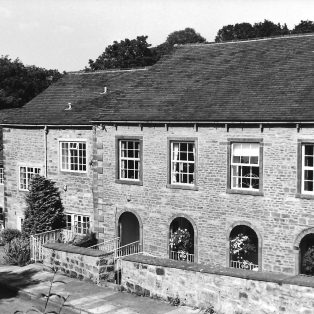 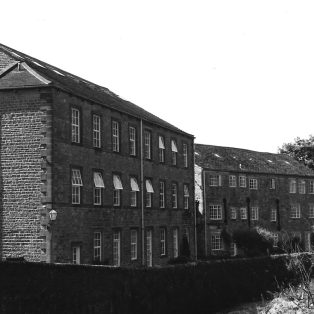 | Riverside Walk – former cotton mill converted into apartments. Numbers 1 – 18 Grade II listed building. First mill recorded in C13, built by Bolton Priory monks as a corn mill. Early C19 the building was used as a Cotton mill, and in the C20 for Dettol storage and a chicken house, now in multiple occupation. Built of squared rubble with a stone slate roof, the south gable end has loading doorways and a small Bellcote. The rear first floor has a loggia of round-headed archways, a recent alteration It was converted to its present use as flats in 1978/79. A brief history of the Mill can be found at: https://mlhg.org/township-hist/airton-home/airton-mill-corn-and-cotton/ |
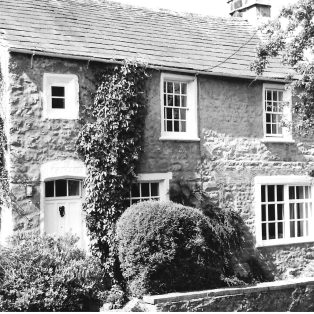  | Ellis House – now semi detached but together with Ellis Cottage was originally one house. Grade II listed building dated 1696. Made of slobbered rubble with a slate roof. The date and letters are inscribed over the doorway – E 16 WA 96 for the original owners, William and Alice Ellis. In 1700 they purchased the barn opposite which was converted into the Quaker Meeting House William Ellis was born at Calton in 1658 and at 18 he became a Quaker. As a master linen weaver he was able to build the meeting house. He travelled to America to further the Quaker cause, returning home in 1699. He finally died in 1709, his wife Alice surviving him by eleven years Very little is known of the ownership of the house until the C20. Early in the century the Miss Cartwrights owned the house and are buried in the meeting house grounds. After them came Major Flockton, an architect from Sheffield. He owned Ellis House and Cottage and made a way through both upstairs and downstairs. John and Margaret Parker bought the house in 1949. John’s hobby was painting and he ran a class in the village for over 30 years. Margaret, an accomplished pianist, taught the piano and was accompanist to Elizabeth Harwood. Find out more about William and Alice Ellis at: https://mlhg.org/township-hist/malhamdale-home/quakers-in-malhamdale-introduction/quakers-in-malhamdale-william-and-alice-ellis/ |
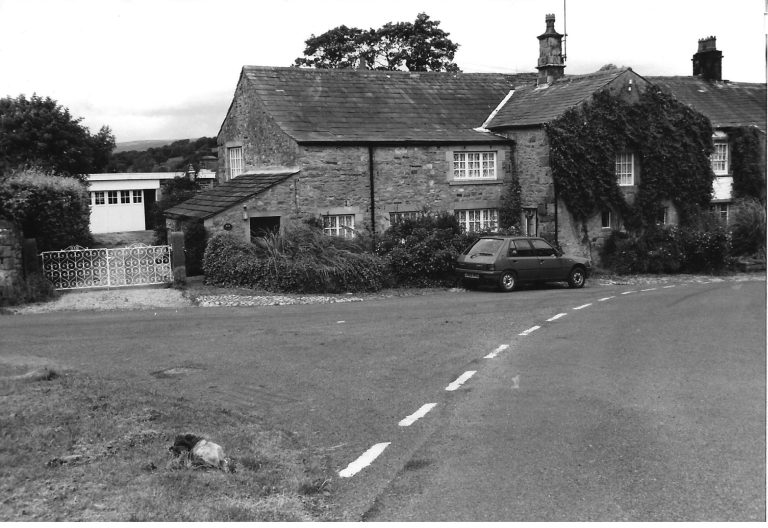 | Ellis Cottage and Barn Semi-detached Grade II listed building. Made of slobbered rubble with slate roof. Originally joined with Ellis House and built in 1696 of slobbered rubble with stone slate roof. Inside is a very large, elliptical arched fireplace with a shield on the lintel carved with the initials EWA and the date 1702. The barn, on the left hand side of the photograph, is a holiday cottage (1999). |
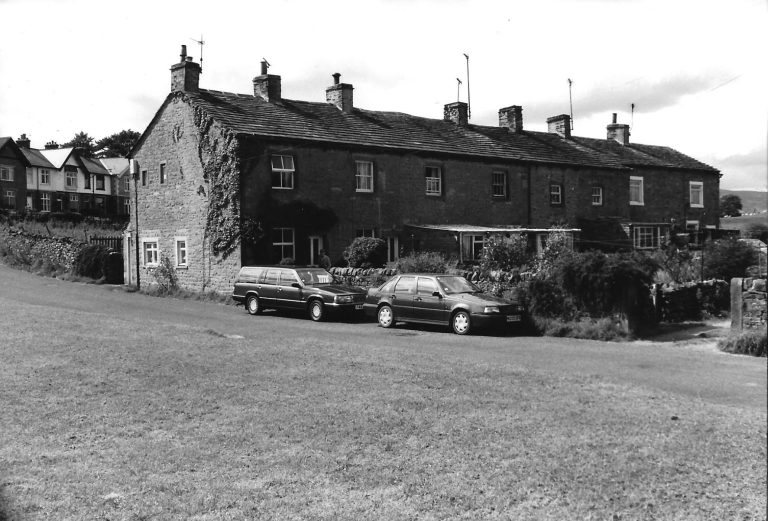 | Hallgarth – a row of terraced cottages, originally built to house cotton mill workers Nos 5 – 8 were the Garth (enclosure) to Airton Hall. No.6 was the Shippon between the barn (No. 2), and the Crofter’s House (No. 5). In 1800 John Williams, the owner of the mill, bought the buildings and a parcel of surrounding land in order to convert them to cottages and gardens with earth closets opposite. The surrounding wall was built at this time. There are ways, now blocked, through all the houses. No. 6 has a alcove from floor to roof and a platform in the bedroom where fodder was pushed out over from the barn. In the early 1960s the staircase, which divided the ground floor into two rooms, was removed. A new stair on the right hand side was built opening from the kitchen area. The garden walls and porch were also built at this time. Mr J. K. Richardson bought all Hallgarth houses in 1923 from Mr Sam Jackson who owned Airton Mill. Nos 1 and 2 were made into one house in 1996. |
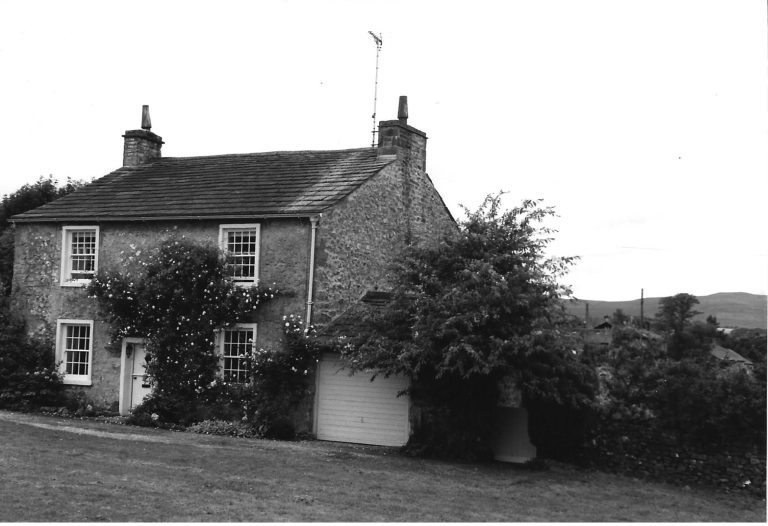 | The Green Grade II listed cottage dating from the early C19. Built of slobbered rubble and stone slate roof. A nearly central door with plain surrounds, two gable chimneys. It is said to have been a squatter’s cottage, built on the site of the present garage. The house was also once a draper’s shop and has an ancient well in the cellar. An old set of stocks can be found near this cottage. |
 | Tatham House, Hellifield Road Built in 1962 for Malcolm Riley, architect, with stone from Wesley Place Chapel in Keighley. It is thought to be the first house built in Airton after the war. |
 | Cape House, Hellifield Road A detached house built in 1973 by Mr and Mrs D.H. Sands on land which had been a small croft. |
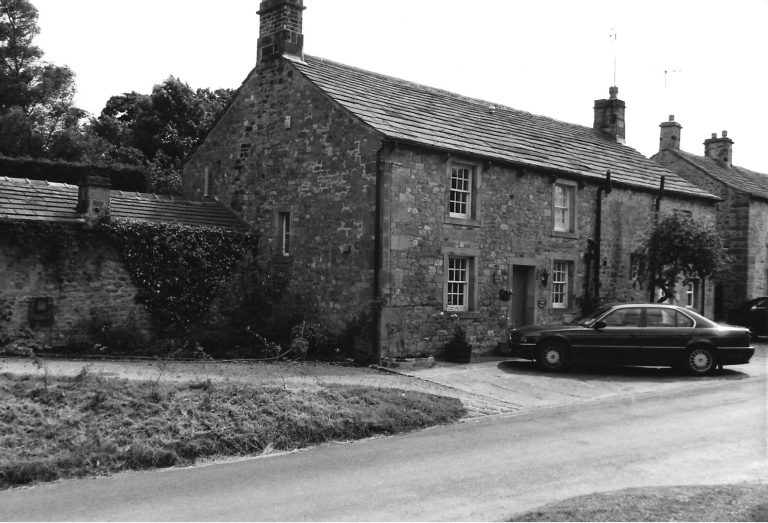 | Garris Croft (left) and Tatham Cottage (right), Hellifield Road Garris Croft Grade II listed building. End of a row of houses, built of squared rubble, approximately 300 years old and re-fronted in the C19. It is thought to have been a butcher’s shop at some time. Garris Croft possibly formed a larger house with Tatham Cottage next door Tatham Cottage Built of slobbered rubble, C17, with hall, front door and stairs built later. Kitchen was added in late C19 and the area above the kitchen was a hayloft until 1987. It has now been made into a bedroom. A short bone handled domestic knife was found in the rubble between the inner and outer walls during modern alterations to the kitchen. Listed Building Description 2 houses, Tatham Cottage C17, Garris Croft refronted mid C19. Tatham Cottage is of slobbered rubble and Garris Croft of squared rubble, both now under one stone slate roof. Tatham Cottage has a chamfered doorway and 3 double chamfered windows at differing heights: a low one without mullion to right of the door, a 2-light at lintel height to left , and a 3-light to first floor. Gable stack. Small later extension against gable wall. Garris Croft has 2 sashes, with glazing bars to each floor, and board door between, all with plain stone surrounds. 2 stacks. To rear Tatham Cottage has one 2-light double chamfered mullion window to first floor and 2 large 3-light mullion and transom windows to ground floor which, though not recessed or chamfered, have raised bands around them. One of these windows overlaps with the C19 front to Garris Croft, suggesting that the two houses may originally have been one |
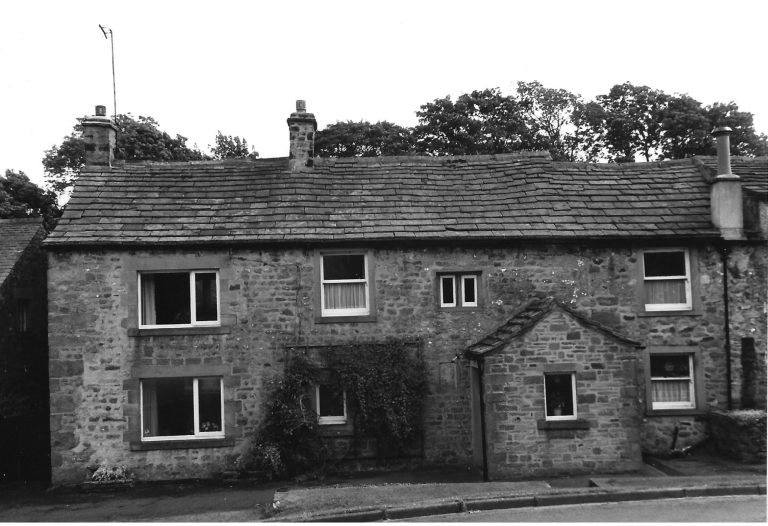 | Occabers House, Hellifield Road Probably built in the C17 of rubbled stone with a stone slate roof. It was originally two cottages. On the green in front was another cottage, now demolished. |
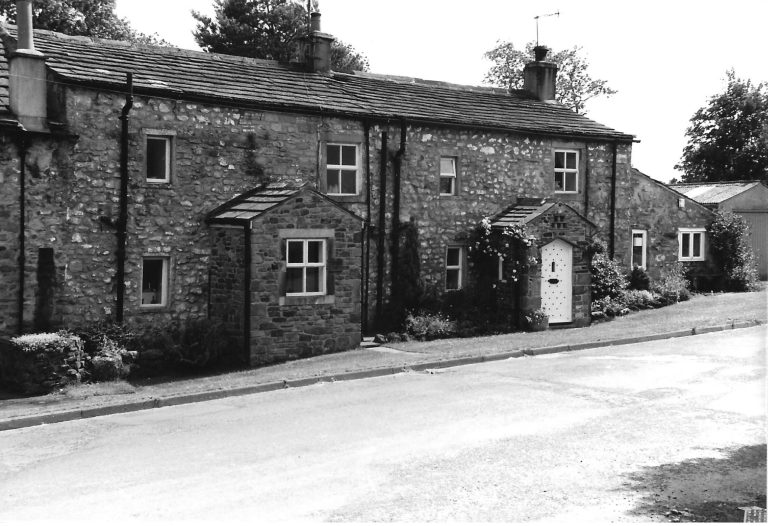 | Craiglea, Hellifield Road Stone built C17 end cottage with side extension. |
 | 1 Watery Lane Stone detached house built in 1976/77 by Foster and Riley of Silsden, Keighley. The land was owned by Mr Preston before being sold to the developer. He demolished a small house at the entrance to Back Lane and brought the stone onto this site. Much of the stone had been buried in the garden as he was unable to finish the garage due to illness. It has now largely been salvaged and used to pave the drive and build garden walls |
 | Pirie Martins, 3 Watery Lane – on left of photo Built in 1976/77 on land owned by Mr Preston by Foster and Riley of Silsden, Keighley. The house was named after a small bird found in the north of Scotland. A larger kitchen, small downstairs room and two bedrooms were added in 1992. |
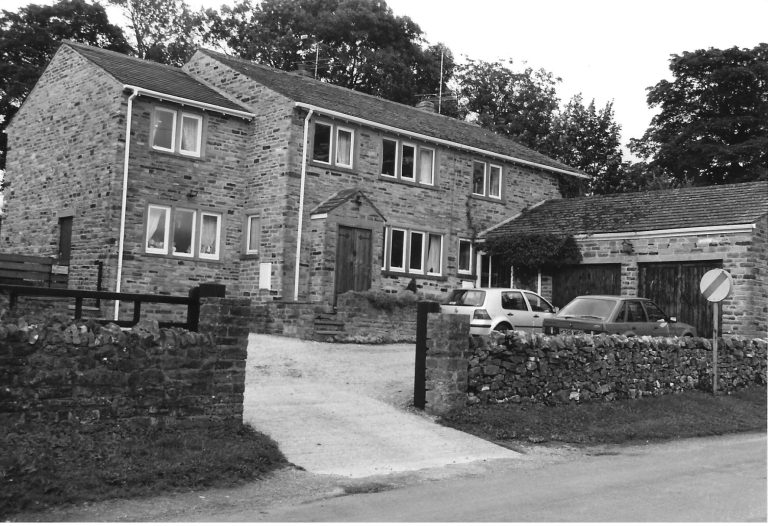 | Willow Bank, 5 Watery Lane – on right of photo One of a pair of semi detached houses with both garages at a right angle to the house. It was built in 1976/77, along with Pirie Martins, by Foster and Riley of Silsden, Keighley. |
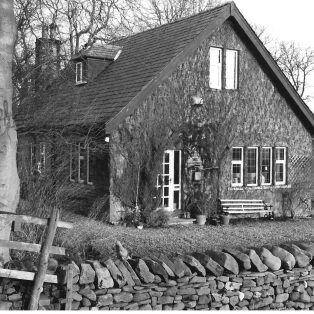 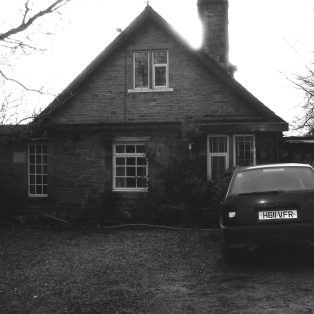 | Cross Stones, Watery Lane A detached dormer bungalow. |
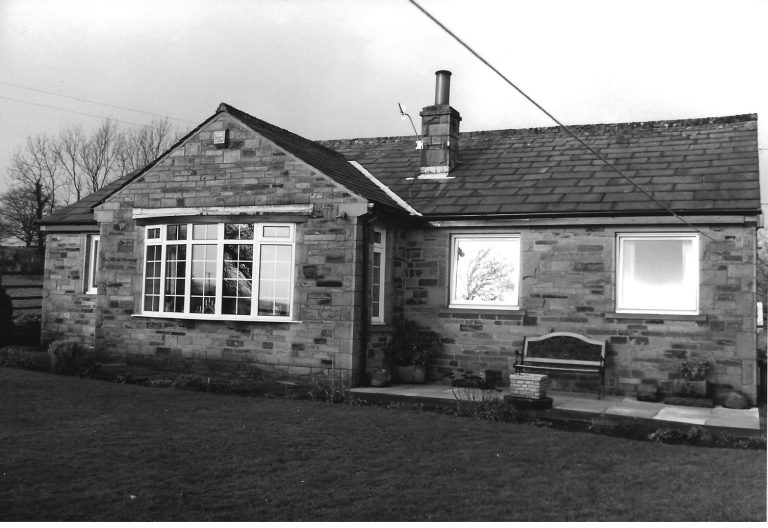 | Holme Croft Modern stone bungalow built in 1974 by D.J.A. Deery. |
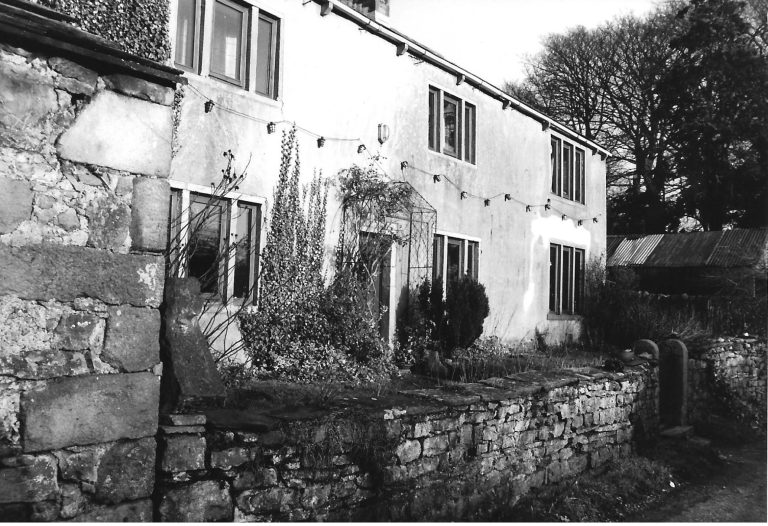 | Kirk Syke Farmhouse, c.1800, and attached barn, late C17. Render with slate roof. The farmhouse is of two storeys and three bays, the first two with recessed flat faced mullion windows. Between them is a plain doorway. The third bay has modern cemented windows. All are of three lights. The barn has large quoins and a catslide roof over its porch and outshut. Over a small opening is a lintel probably reset, carved apparently S W:0:I:6:9:E. Inside the house the left hand room has beams with birds beak chamfers, which may indicate that it is older than its exterior. |
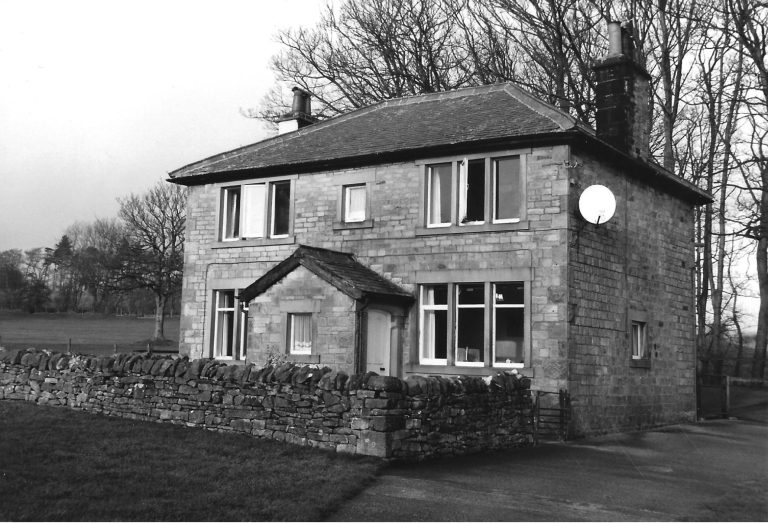 | Kirk Syke Cottage A modern detached property. |
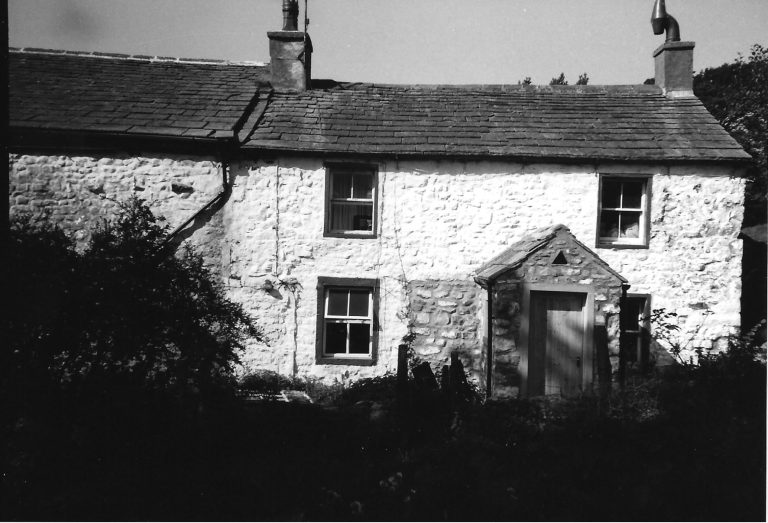 | Park House The house was formerly a farm with a barn attached and is now a private dwelling, approximately three quarters of a mile from Otterburn village. It was a flourishing poultry farm until the 1970s. |
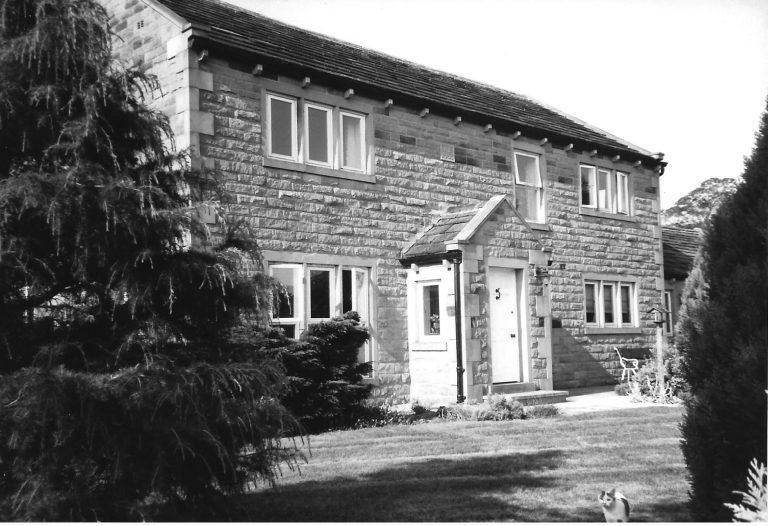 | Garris Lodge A house built on a field site for Alan and Joan Barker in 1983/84. It was built by Maurice Blades and son Keith, formerly of the Nook. The stone came from the Quarry at Oakworth, Keighley. The name of the old house was transferred as it was a farm address. The old house is now known as Lambert House. |
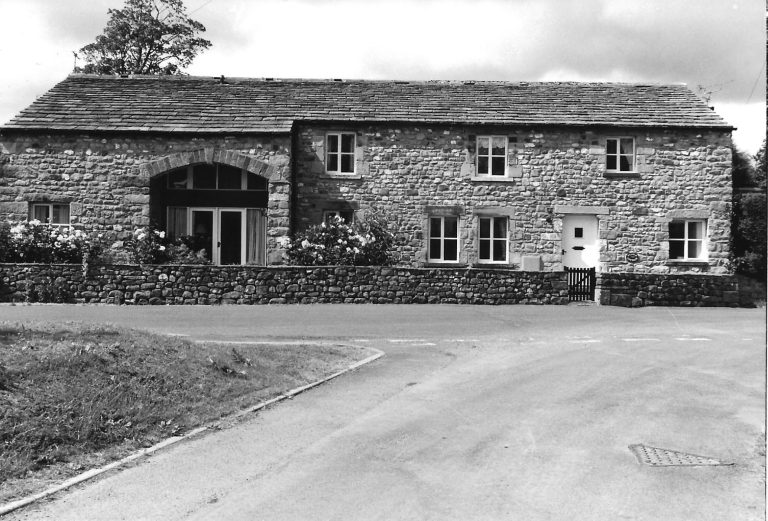 | Holme Barn and Stable Cottage, Hellifield Road Both converted in 1992 from a listed barn c.150 years old. |
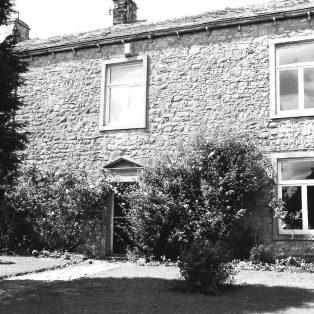 | Garris House A C19 house built of rubbled stone with a stone slate roof, now two dwellings. |
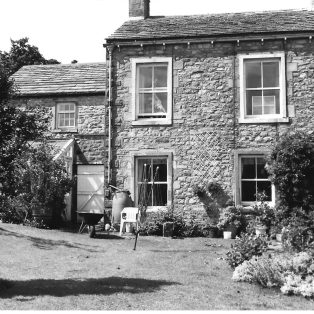 | Garris House – image 2 A C19 house built of rubbled stone with a stone slate roof, now two dwellings. |
 | Penn Cottage, Back Lane Part of a row of cottages on Back Lane. Along with Garris Cottage this was the butcher’s shop and living accommodation between approximately 1950 and 1970. |
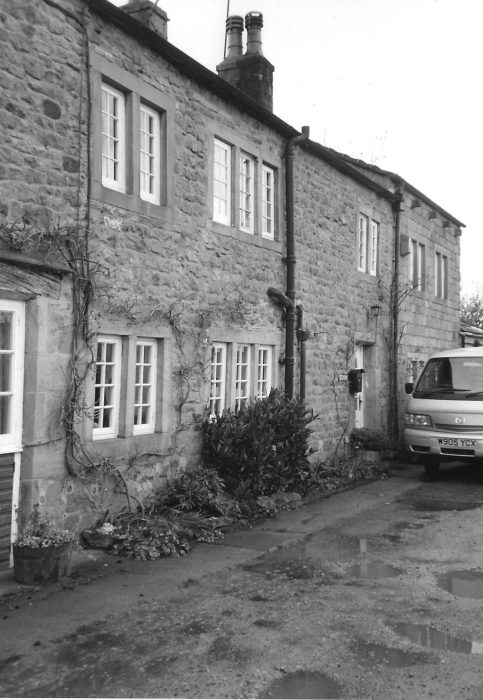 | Garris Cottage, Back Lane Dating from around 1680 but rebuilt about 1920 after a fire. From about 1950 to 1970 Garris Cottage and Penn Cottage were the village shop and butchers including living accommodation. It was for some years owned by the Taylor family. Beams in the cottage were boxed in during the 1920s. |
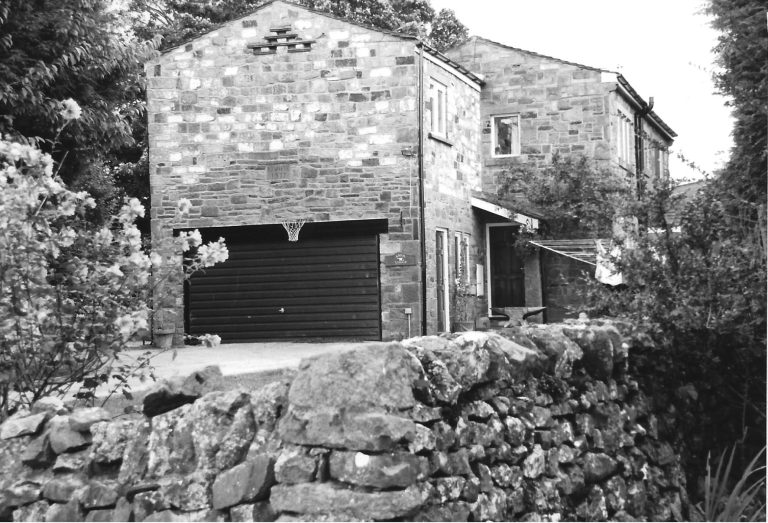 | Anvil Lodge, Back Lane A modern stone built house set at right angles to Back Lane. |
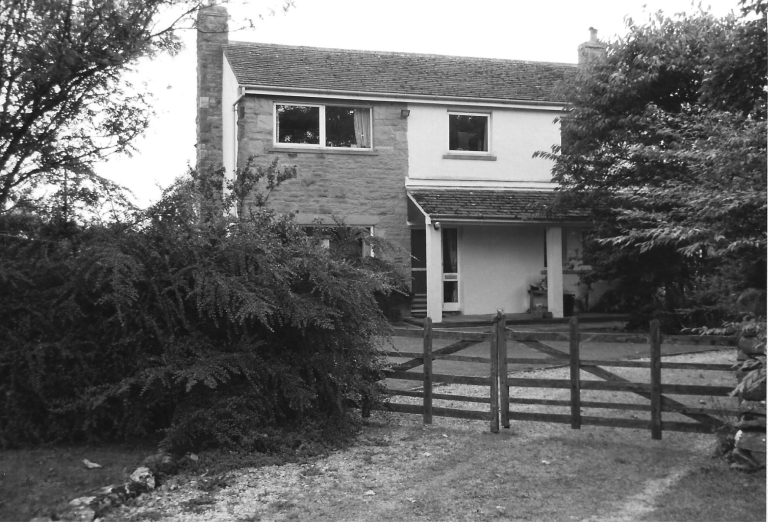 | Gatesgarth, Back Lane The plot of land was part of Garris Lodge Farm and was sold by Mr and Mrs John Barker in January 1972. |
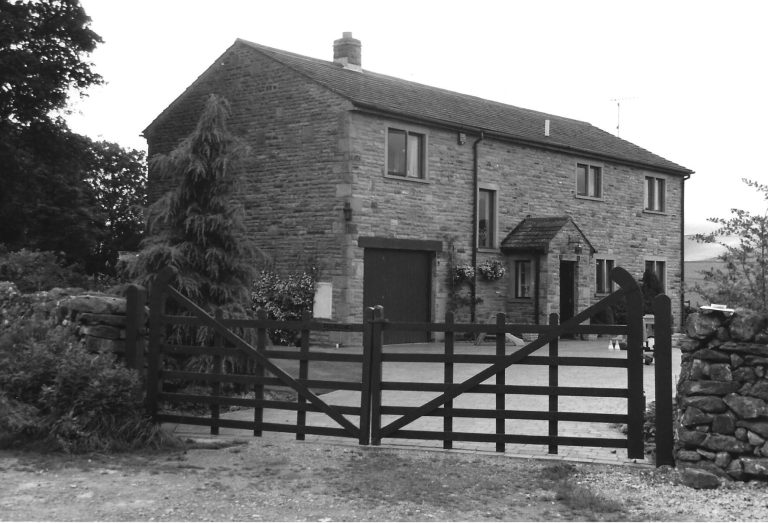 | Lane Croft, Back Lane A detached, stone house built on land owned by Mr Alan Barker in 1986 by Mr and Mrs Carder. It was bought by Mr and Mrs C. Waterhouse about 1988 and completed by them. The house was next sold in 1993. |
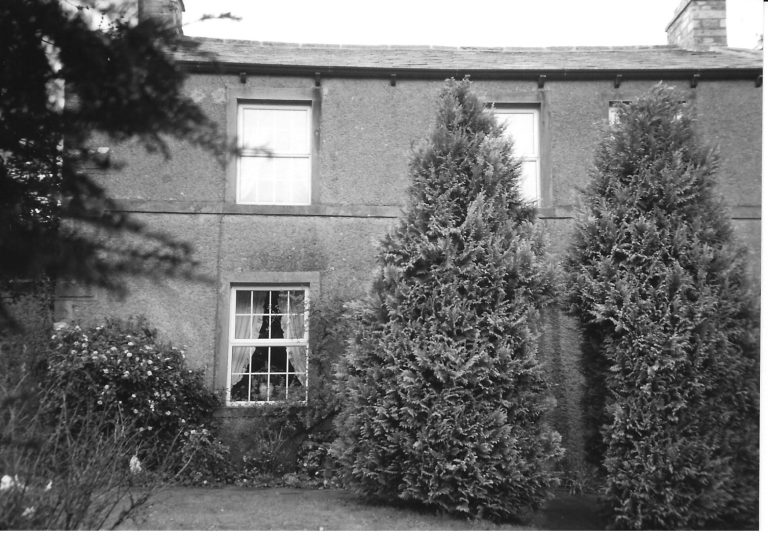 | Lambert House, Hellifield Road Edward Taylor had the front of the house built in 1864 onto a much older building. He left England to live in South Africa. The family also owned Grove Farm in Otterburn Lambert House was formerly known as Garris Lodge Farm. |
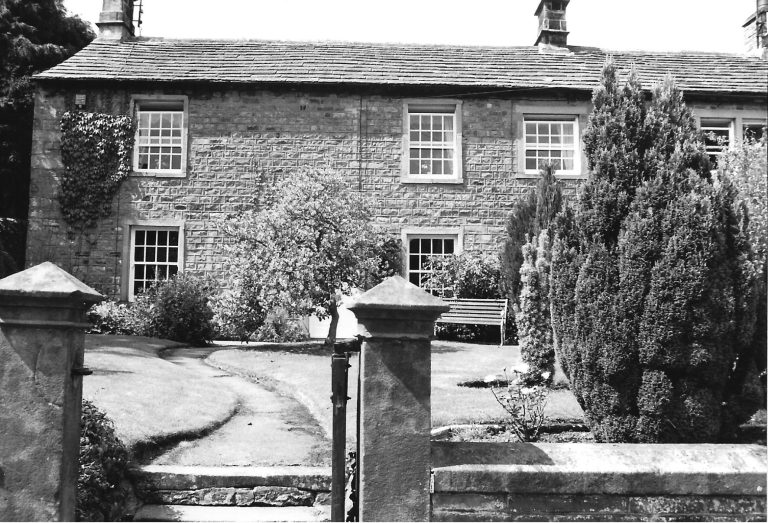 | Rosemount, Hellifield Road Grade II listed building, built in late C18 and C19 of squared rubble with stone slate roof. It has two storeys and two doorways, that to the right bearing traces of a date. There are three moulded chimneys. |
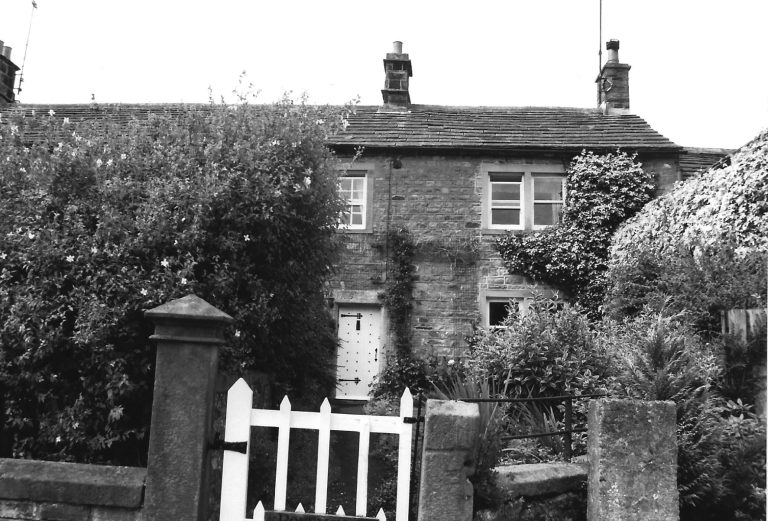 | Rosemount Cottage, Hellifield Road Grade II listed building built c1680. The cottage and Rosemount were originally one building. The door is the former house door and over it are the carved initials a.s. but no date. It was built of rubbled stone but the front was squared at a later date. The rear of the house is original. It is not known when it became a separate house but it has been part of a farm and then a holiday cottage |
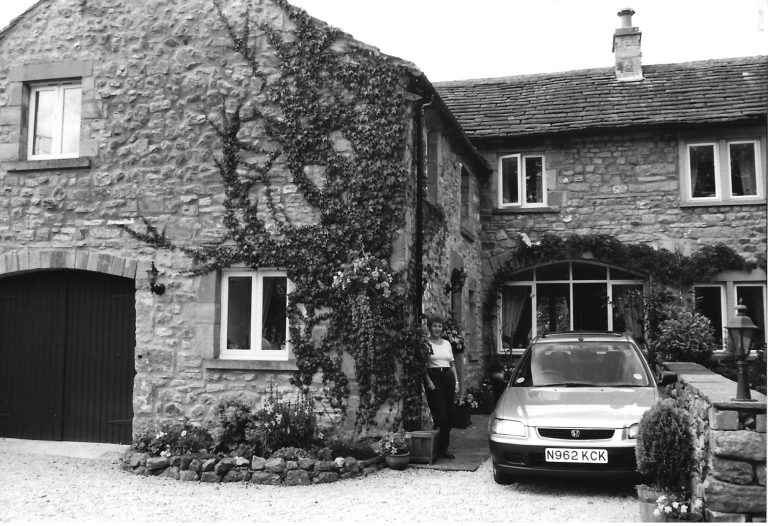 | Manor Close, Hellifield Road Originally a barn converted to a house in the 1990s. At an auction in 1846 a valuable freehold estate in Airton owned by Mr Edward Taylor was for sale. There were 10 lots and it is thought that the barn was the present Manor Close. In the census of 1841 Edward Taylor was living in Airton, aged 49, a Farmer with his wife, Margaret, and eight children. |
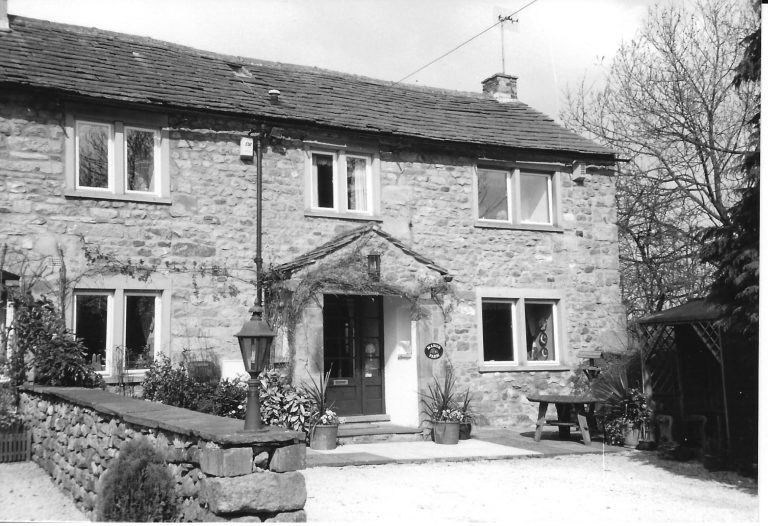 | Manor Farm, Hellifield Road Built about 1760 it was a farm cottage attached to a barn. It was auctioned in 1846 along with a number of other parcels of property owned by Edward Taylor of Airton. The occupier at that time was Michael Wray and his wife Isabella who were 25 years old and had a 10 month old son. It was modernised in the 1990s. |
 | Manor House Grade II listed building. Early C19 house built of slobbered rubble with a stone slate roof. It has two storeys and four bays of sash windows. It was originally known as Manor Hotel and was a temperance hostelry. |
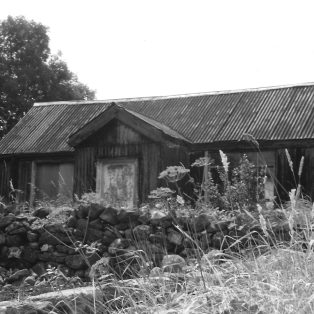 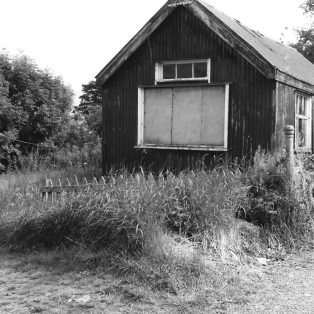 | The Reading Room – otherwise known as “The tin tabernacle”. This temporary building stood across the road from The Green for nearly a hundred years. See below. During the nineteenth century most rural communities had a Reading Room. The townships in Malhamdale were no exception. In 1904 the Rev DR Hall wrote: “There are four reading rooms which are useful places, where men may go to see the daily newspapers and spend hours of the long evenings in winter in conversation, reading, games etc.” Non-conformists and Temperance movements particularly valued the opportunity for sober education provided by the Reading Rooms, which provided a place for working men to socialise without the temptations of the local inn The original Airton Reading Room opened in October 1873 and was housed in a room rented for £1 a season. It was open from October to March in the evenings. It operated until 1904 when a Scosthrop Reading Room was opened with virtually the same committee The Airton New Mutual Reading Room was opened in the same year. It was housed in the “tin tabernacle” style, corrugated iron cabin erected specially for the purpose. These cheap, flat packed iron buildings were often used for newly established missions and churches and cost around £250. How Airton raised the money for this building is unknown, but this new building was independent of the Church and was open all year round In 1913 the subscriptions for ordinary members were 5s per year and 10s for honorary members. These modest charges made it accessible for most of the working men in the community. The building continued to operate as a Reading Room until 1932, though only in the winter months. Does anyone know what happened after that? The building was finally demolished in 2000 after falling derelict. |
 | South View Cottage (left hand side of photo) One of a pair of stone built cottages in the centre of the village. Now owned by Airton Parish and rented. Rose Cottage (on right hand side of photo) One of a pair of stone built cottages in the centre of the village. Now owned by Airton Parish and rented. |
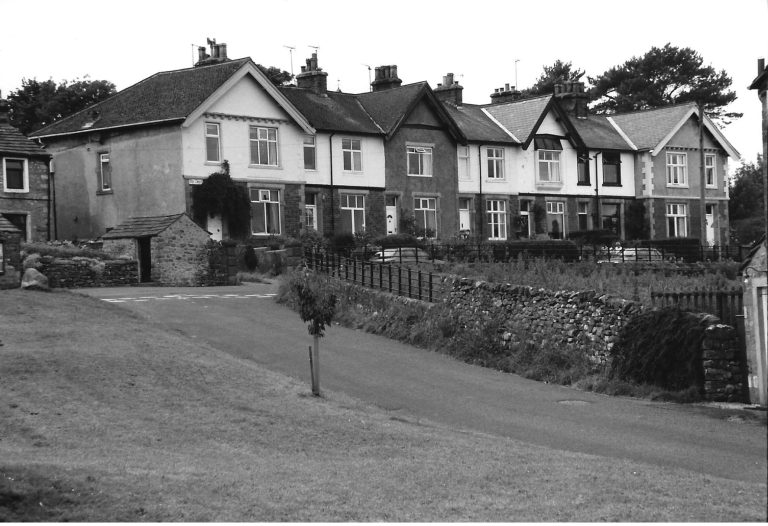 | The Croft – A late Victorian row of terraced houses built by William Illingworth in 1896 on the site of Croft House. 1 The Croft In 1914 when John William Morkill bought the property, No.1 was already a shop being run by Mary Elizabeth Slater and Priscilla Slater. John Morkill sold No.1 to Mary Slater in 1920. In 1966 it was sold again to John Thompson of Calton Hall. He used the property as his farm man’s house. The occupants were Mr and Mrs Pilling followed by Mr and Mrs Chapman. Following the death of Mr Thompson the house was sold. 2 – 5 The Croft The inner houses of a row in the centre of the village built by William Illingworth of Cornwall Mansions, Kensington and Newfield Hall. Numbers 3 and 5 have gabled fronts. The row was built on the site of croft House. The whole of The Croft was mortgaged in 1904 But William Illingworth died in 1913 without repaying the capital on the mortgage, although all of the interest had been paid. The executors sold the row to John William Morkill of Newfield Hall in 1914. Living in these houses at the time were: F. Slater, G. Parker, R. Rowley, A. Slater and F. Edmundson. 7 The Croft The end house in a row built by William Illingworth in 1896 on the site of Croft House.All the houses have cellars but numbers 1 and 7 the largest with headroom to stand up. A pipe in the cellar is supposed to be a gas supply from the mill. The Wolfenden family lived at No.7 from the 1930s until 1994 when Mr and Mrs Gomersall moved in Four sheds at the top of the croft behind the row used to be an abattoir and one still has rings in the floor for tying down animals. The end shed has ornate glass windows taken from the Kirkby Malham Hearse when it was dismantled |
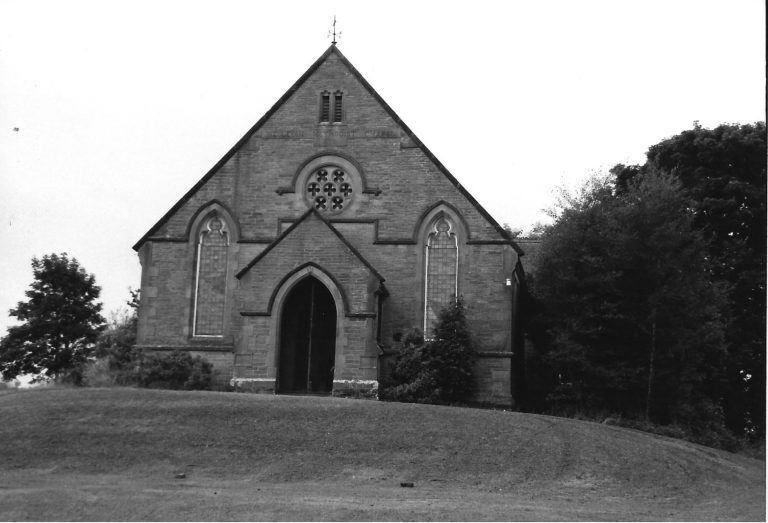 | Methodist Chapel. The old chapel in Scosthrop closed in 1896 as it was too small. Negotiations for a new building had begun in 1893 but to no avail. William Illingworth, newly arrived at Newfield hall, took up the case in 1895. Plans to enlarge the old building were made but agreement with the owner of the land at the rear of the building could not be reached. Suddenly a new plot of land became available, it was bought and Mr. Illingworth gave it for a new chapel. The original intention of including a burial ground was abandoned because of the close proximity of houses On August 11″ 1896 the memorial stones were laid. Including one by Sir Isaac Holden of Oakworth – his last public appearance. On that day 400 people sat down to a tea in a marquee. The Sunday School was opened on Christmas Day, 1896 and the services began in the new church on 22 January 1897. Seating had been increased to 170 1999 – The church has continued to provide worship and Fellowship throughout the years since 1897. The Centenary was celebrated with a display and tea and special services. For more details search this website for multiple references. Update – The chapel closed at the end of 2007. It has subsequently been converted to a dwelling. |
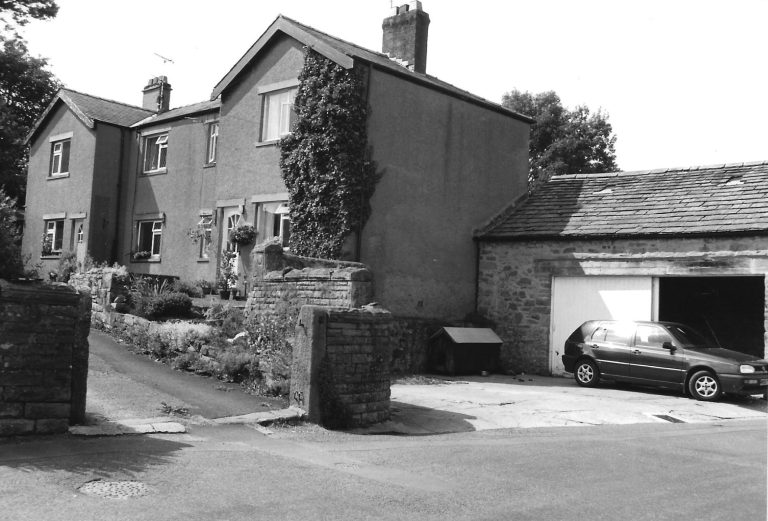 | Sunnyside 1 Sunnyside First of a pair of cement rendered semi detached houses running at 90 degrees from Malham Road. The garage attached was once the blacksmith’s shop for the village. 2 Sunnyside Second of a pair of cement rendered semi detached houses running at 90 degrees from settle Road. |
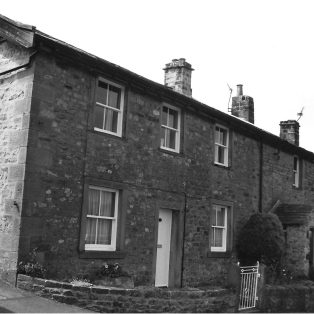 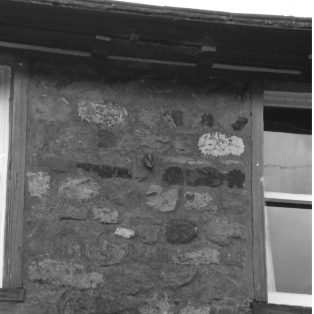 | Padges Cottage End one of three stone cottages built before 1850. It was originally a pig farm house and owned by Thomas Holden in 1885. Above the front door there is a small stone face said to frighten away witches. |
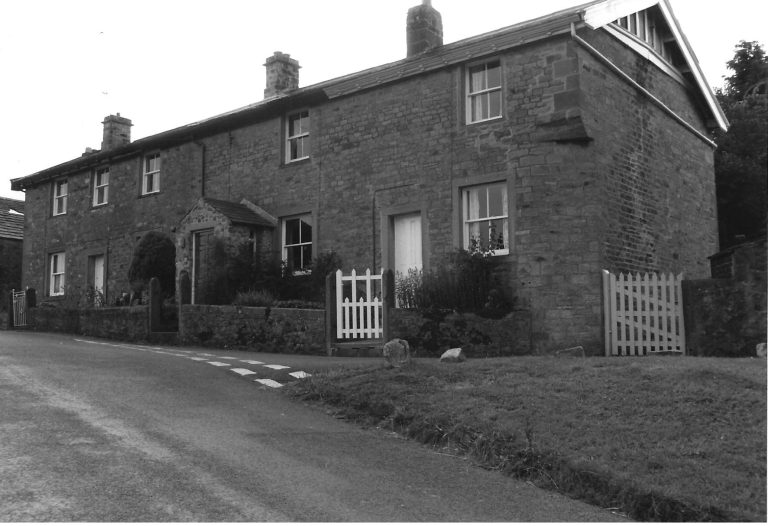 | Mount View Two stone cottages part of a row of three. Number 2 has a porch probably added after the cottages were built sometime before 1850. |
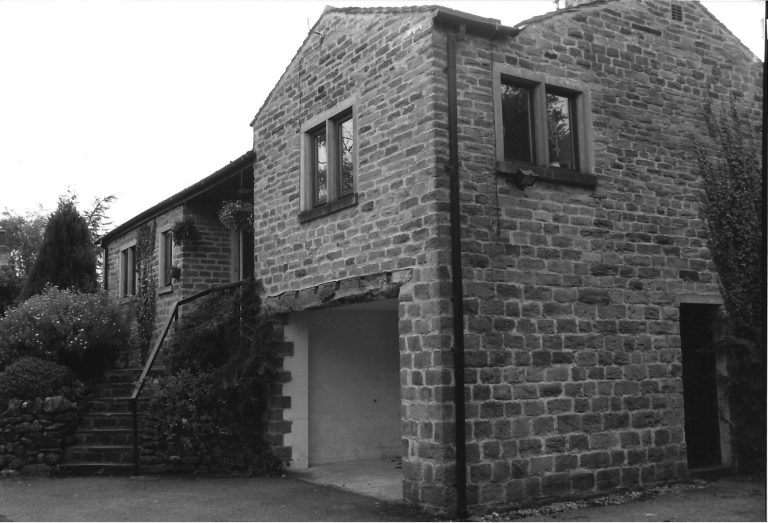 | Grayrigg, Settle Road A stone bungalow built into the hillside with garage underneath. |
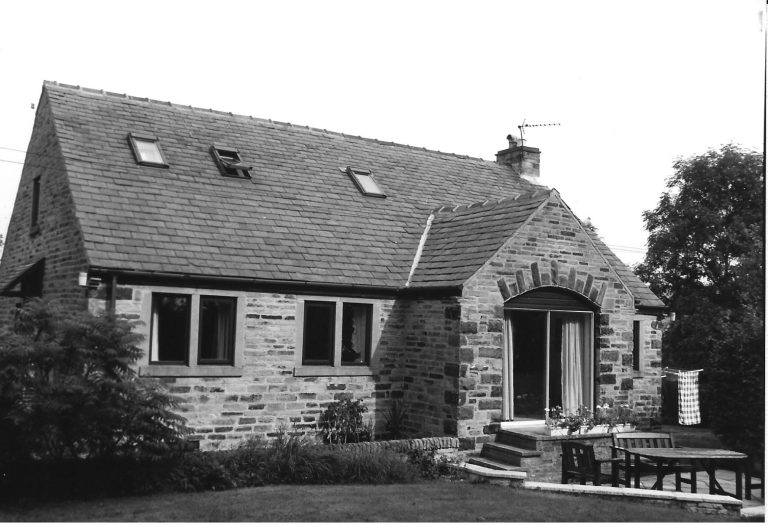 | The Knot, Settle Road Stone house overlooking Chapel grounds. Built c.1986 by Ian Robinson on land owned by Mr and Mrs Hulland of Bag End. It was formerly known as Cove View and owned by Mr Rowbottom. Present owners bought it in 1996. |
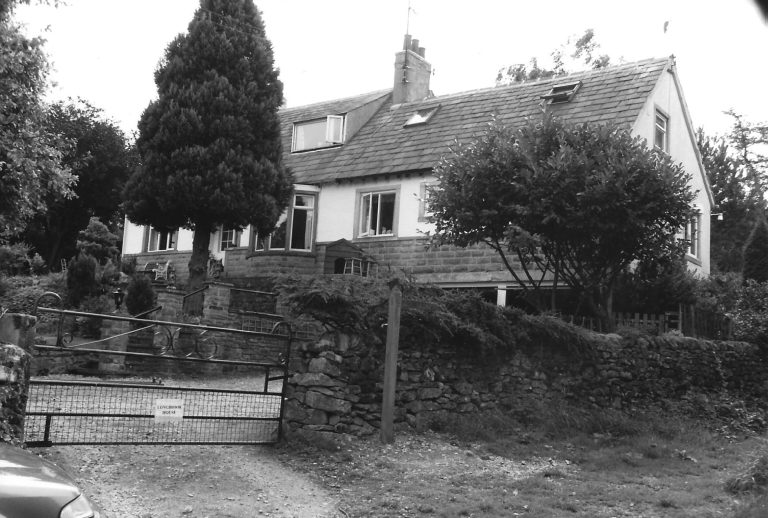 | Longbrook House, Settle Road A dormer bungalow, cement rendered and with an extension, formerly known as Bag End. |
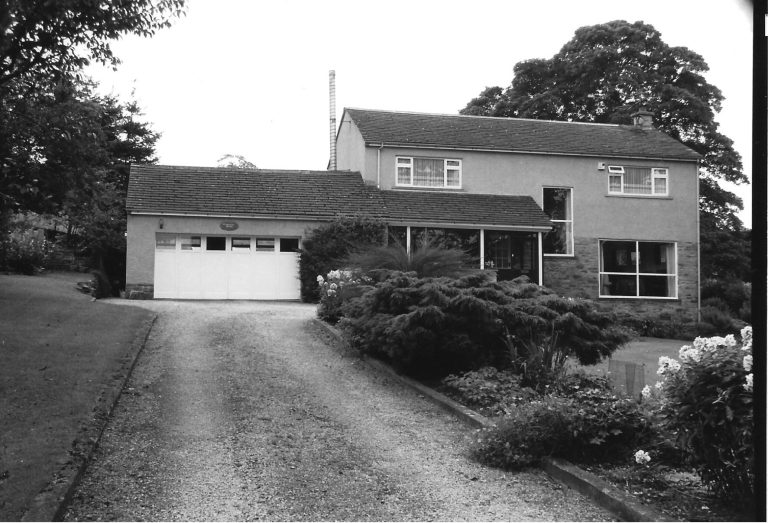 | Hambleton House, Settle Road A part stone, part pebble dashed two storey house with garage attached. Originally known as Woodside, it was built on land owned by John and Lilian Barker, the land being sold to John and Vera Ferguson in 1971. In 1973 it was bought by Leslie and Brenda Willis and by Gerald and Margaret Cobold at a later date. It was sold again to Mr and Mrs Wilkins and then in 1992 to the present owners. |
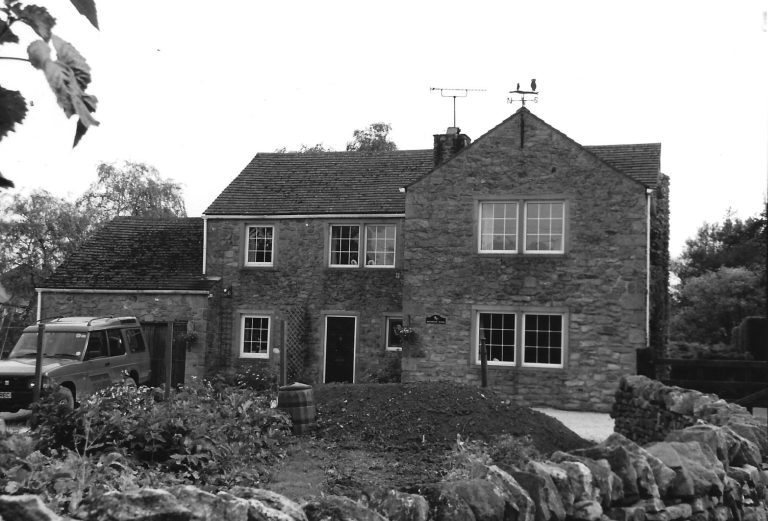 | Brookside House, Settle Road A stone house built in 1977 by Dr. and Mrs. Young who lived at Woodland Cottage. The land had previously been allotments. There is a date stone 1977 above the hearth. Dr. and Mrs. Young and their three children lived in the house for a short while, then sold it to Mr and Mrs Hugh Bishop who lived there for nine years. In 1987 it was purchased by the present owners. From: |
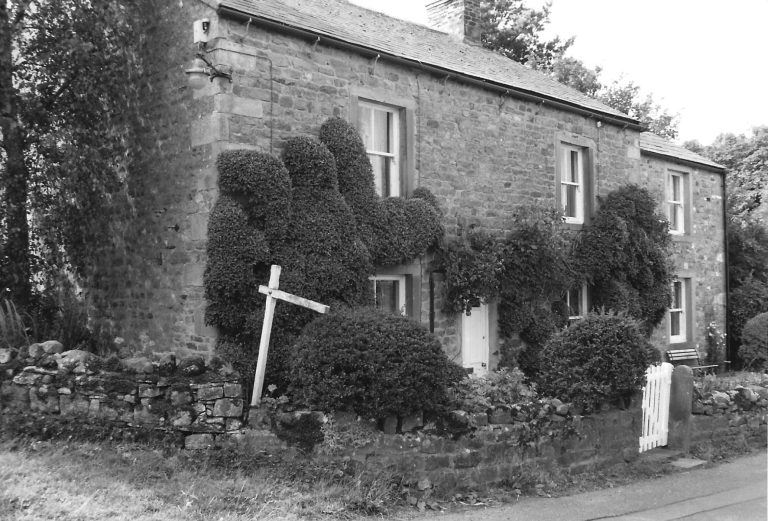 | Woodlands Cottage A stone built house, two storeys with small garden fronting the road, extension to the north. |
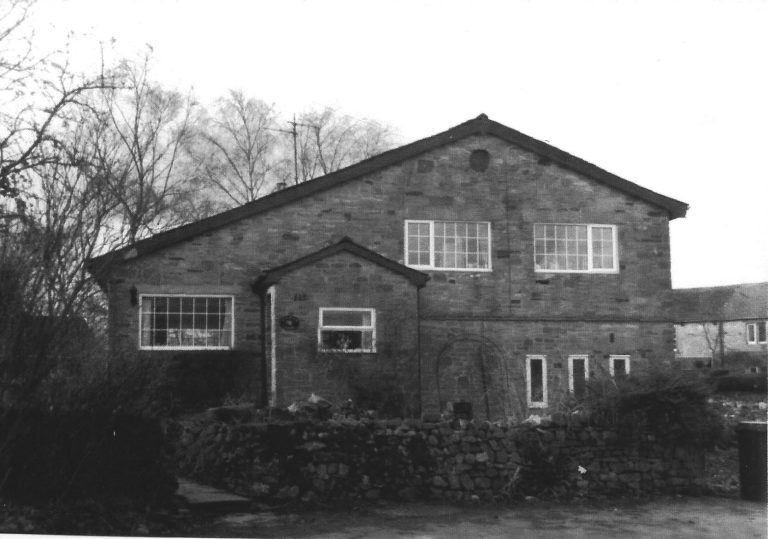 | Maldale House A modern house that was a petrol station but the pumps have now been removed. |
 | Ormsgill Green Grade II listed building. House, probably built to serve the limekiln, early to mid 19″ century, rubble with stone slate roof. Two storeys in an L plan. The south range has two plain doorways and three windows to each floor. The west return has four doorways and an arched cart entry. |
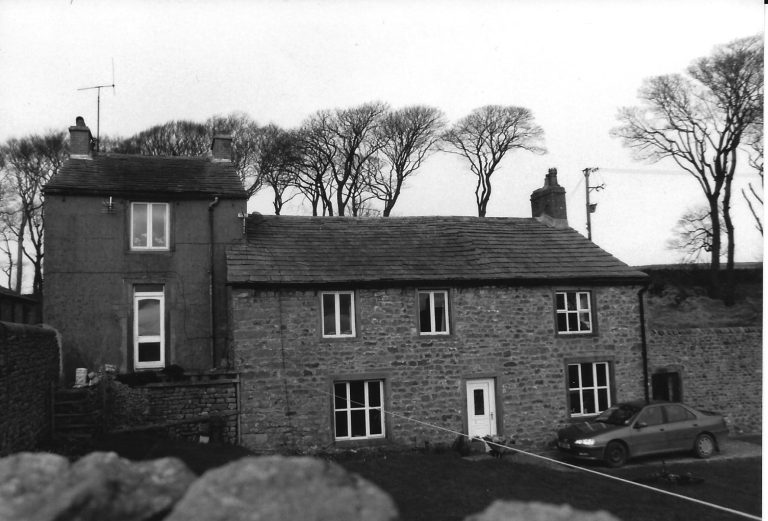 | Crakemoor Farm A farmhouse approximately three miles from Airton. |
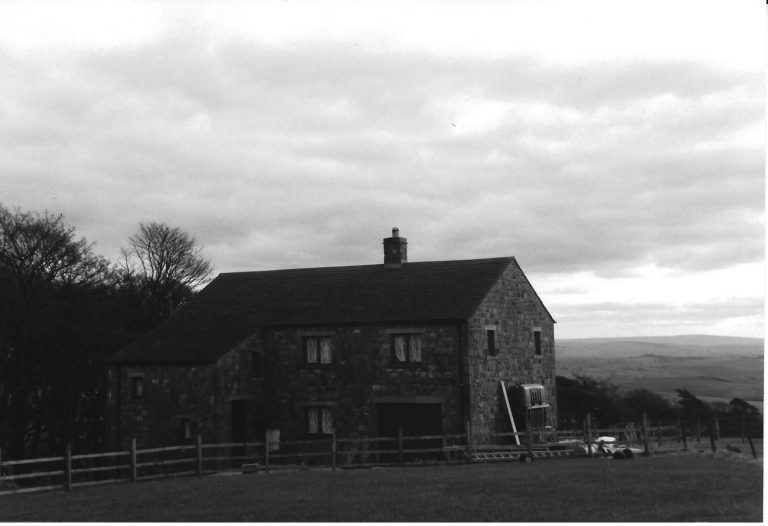 | Crakemoor House A modern L shaped, stone built house, one of three dwellings at Crakemoor approximately three miles from Airton. |
 Malhamdale Local History Group